


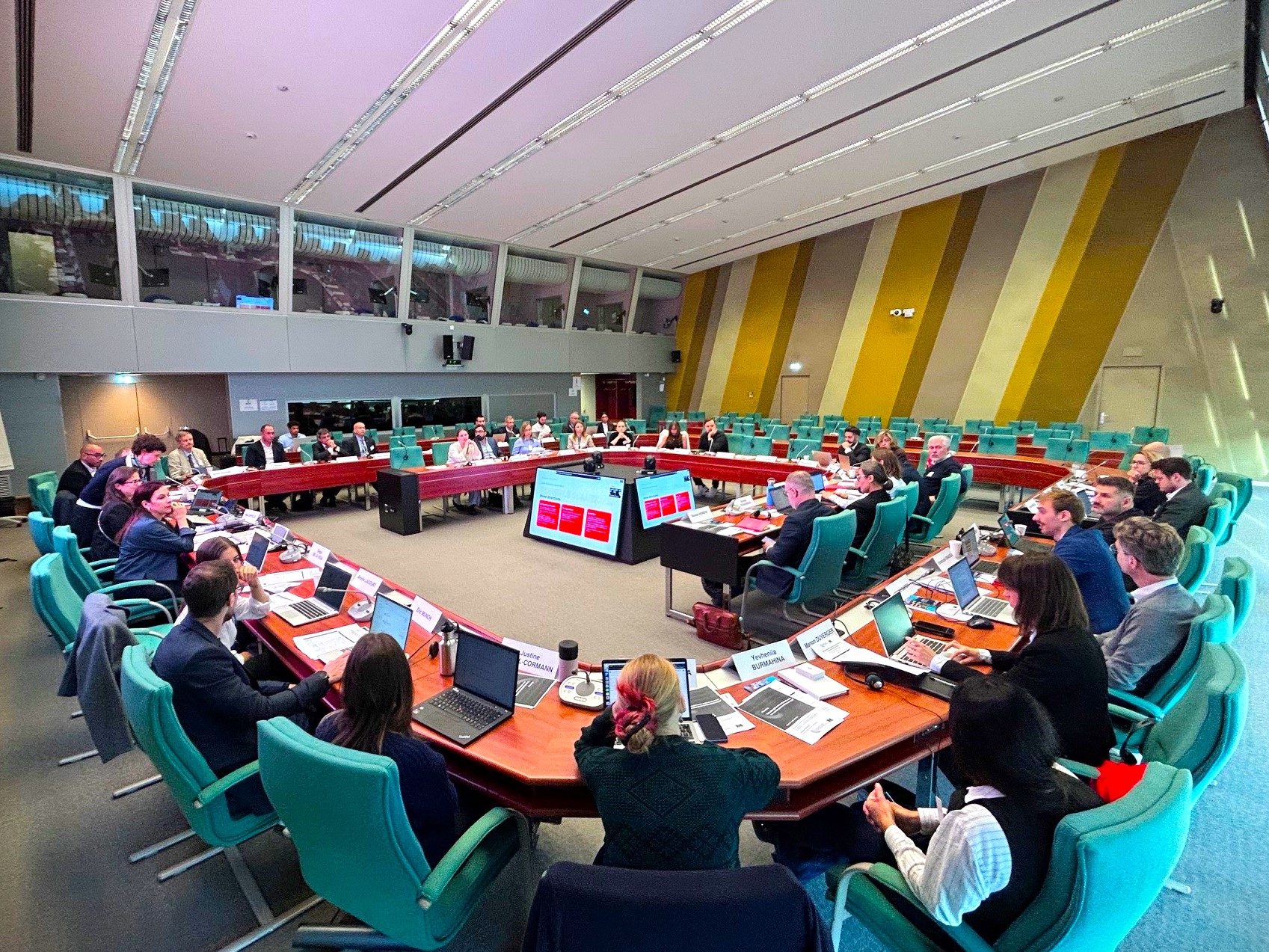
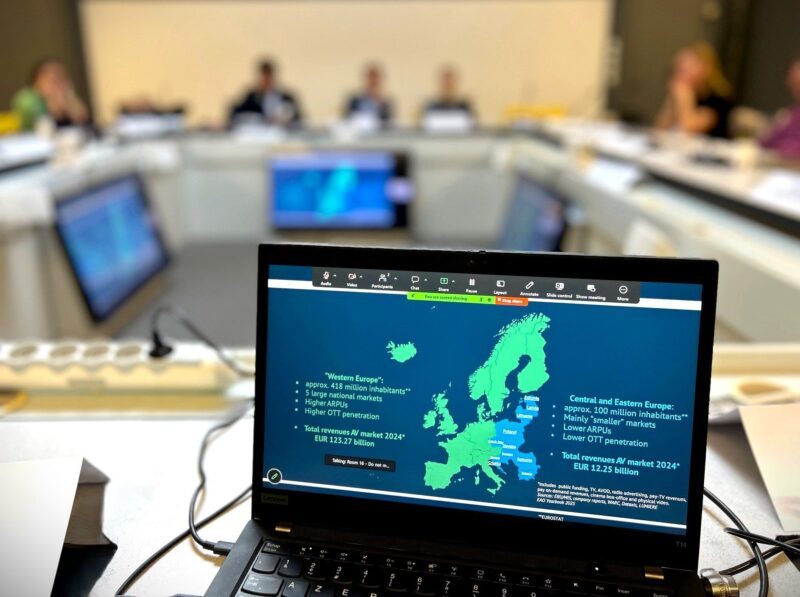
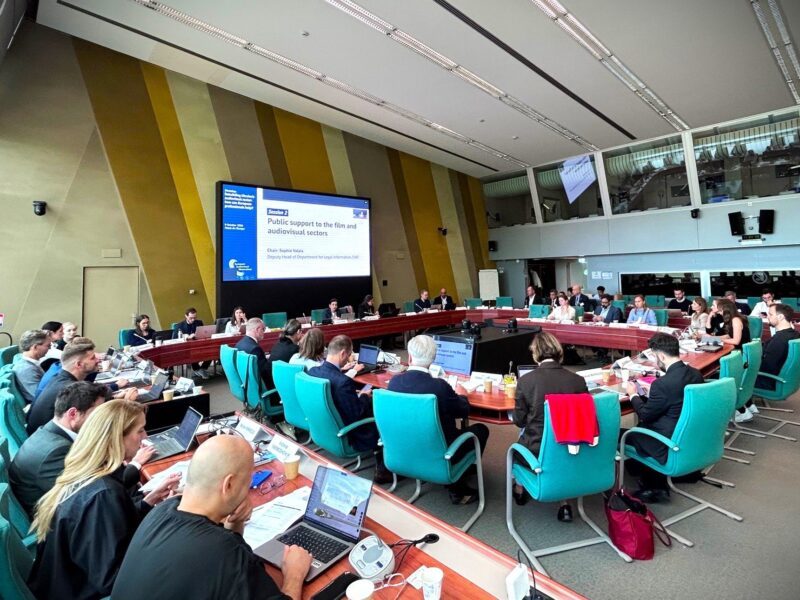
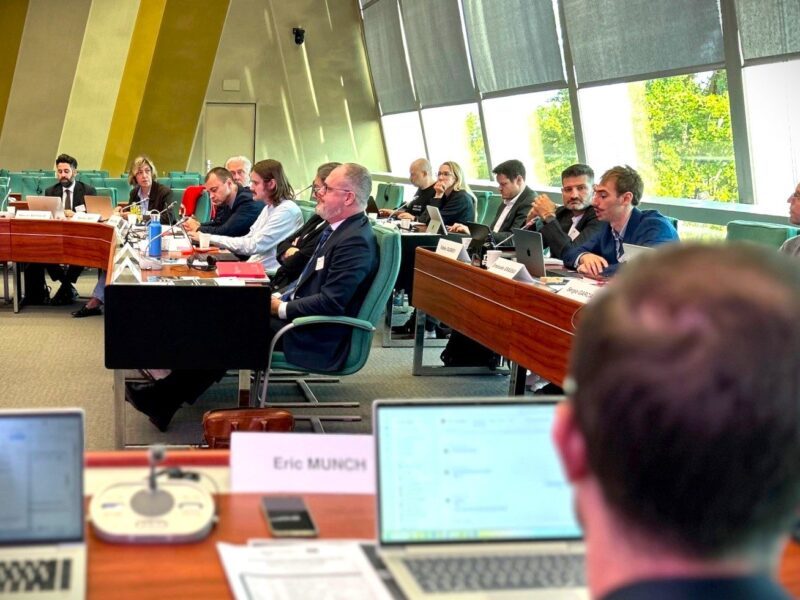
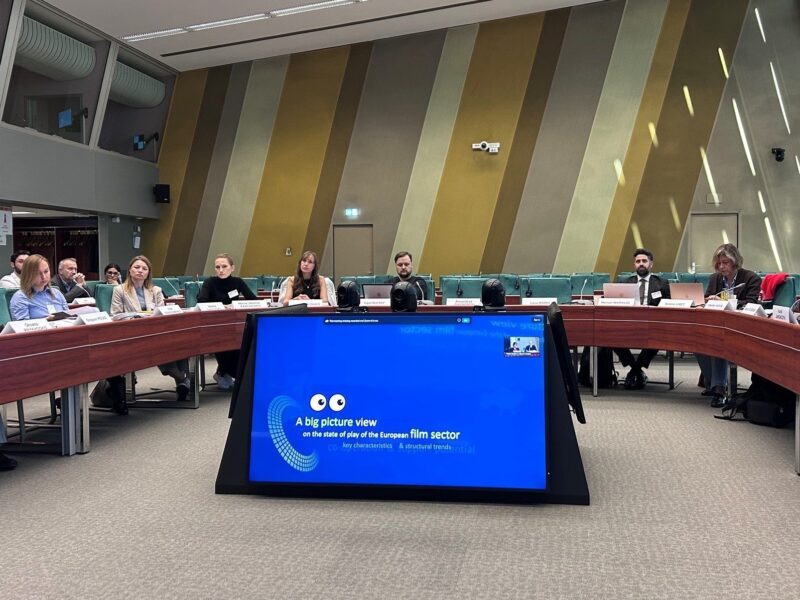
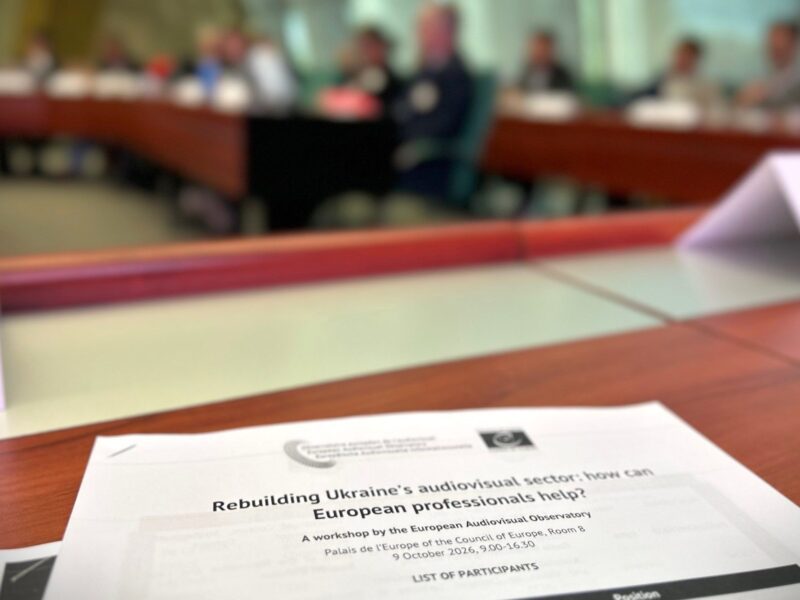
On October 9, at the Palace of Europe in Strasbourg, representatives of the media regulator, the media industry, and European institutions participated in a workshop titled “Rebuilding Ukraine’s audiovisual sector: how can European experts help?” It was organized by the European Audiovisual Observatory in cooperation with the Twinning project “Reforming Audiovisual Media Regulation in Ukraine in line with EU Standards and international best practices.”
Ukrainian and European experts discussed what Ukraine’s audiovisual sector needs for its development during and after the war. The discussion focused on the state of film production and distribution, government and international support for the industry, the entry of Ukrainian content into European markets, cooperation with European partners, as well as the regulation of digital platforms and countering Russian propaganda.
The Workshop was opened by Pauline Durand-Vialle, Executive Director of the European Audiovisual Observatory; Maja Cappello, Head of the Legal Information Department; and Valentyn Koval, First Deputy Chair of the National Council.
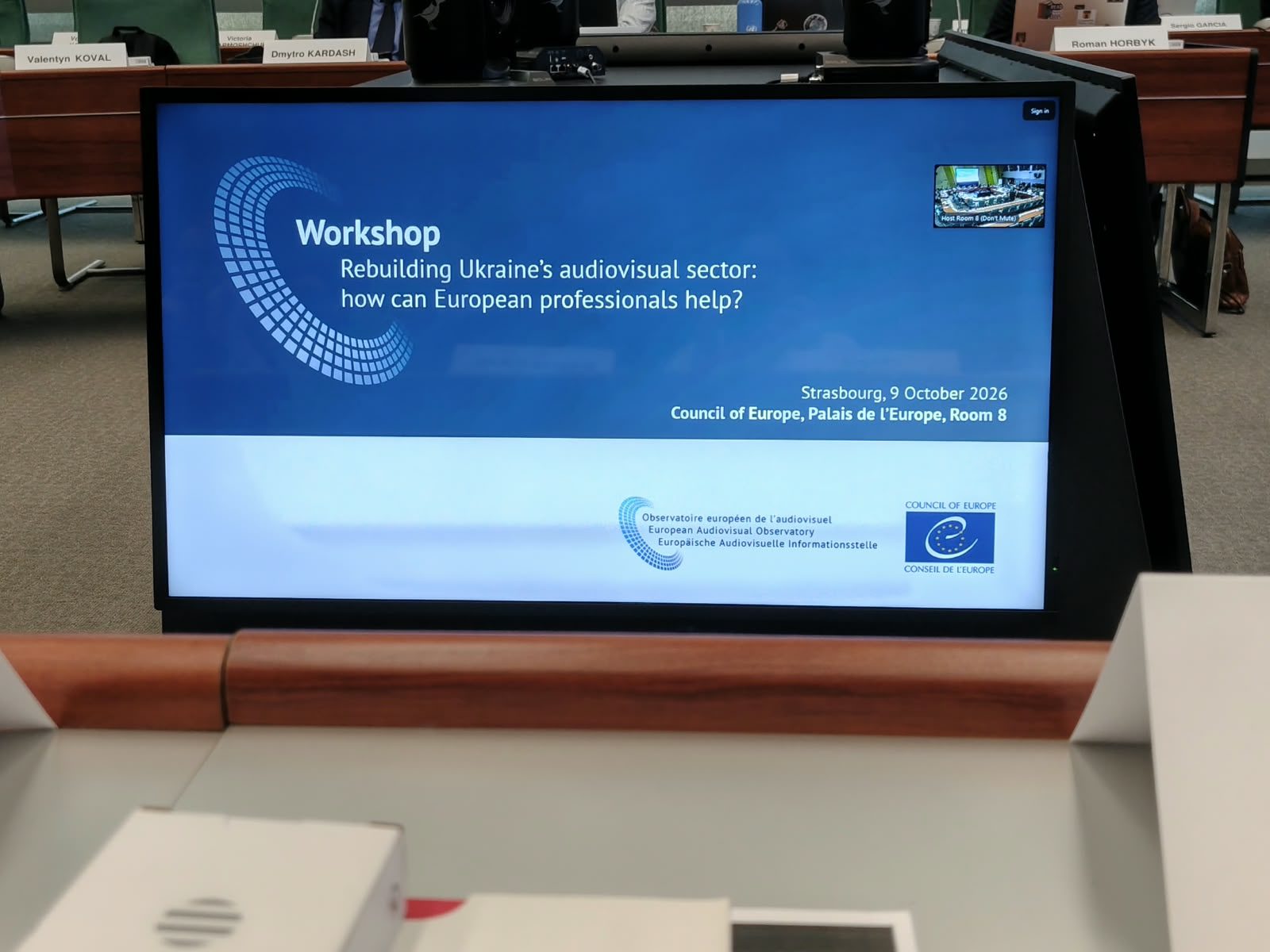
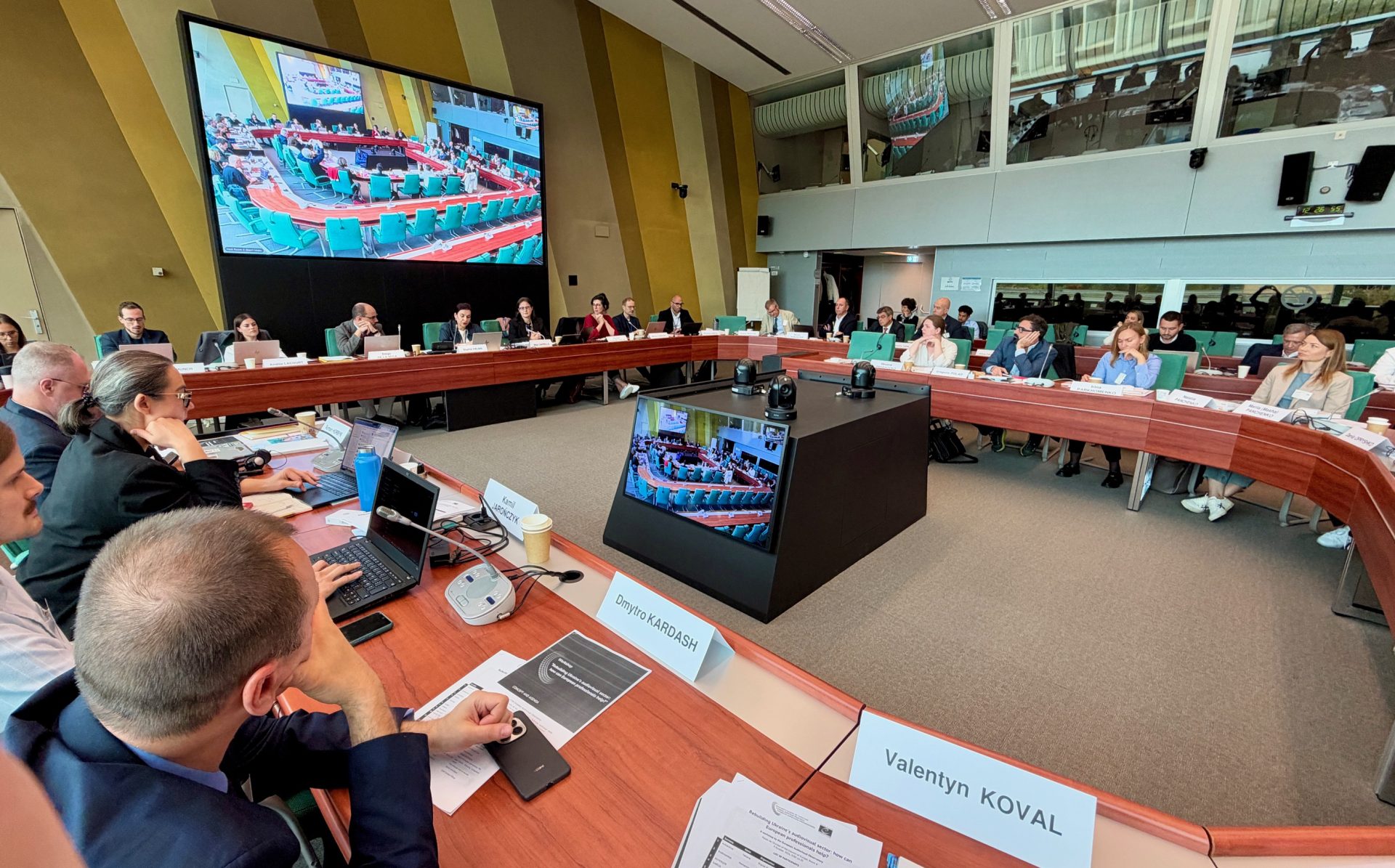
In his remarks, Valentyn Koval highlighted the symbolic significance of holding this discussion at the Palace of Europe. According to him, one of his key personal goals over the many years has been to make the Ukrainian media a full-fledged part of the European and global media landscape. The war has dramatically complicated the industry’s work: some newsrooms and studios have lost their premises and equipment, and some media outlets have been forced to cease operations. Despite all these losses, the Ukrainian media are thinking not only about how to continue their work during the war, but also about their future development and integration into the European media landscape.
“If I had to describe the main task of the Ukrainian media in one verb, it wouldn’t be ‘to survive.’ It would be ‘to grow.’ Yes, for some media outlets, survival is indeed the number one priority today, since their offices and studios have been destroyed. But for the media as an industry, growth and development remain the main tasks,” said Valentyn Koval.
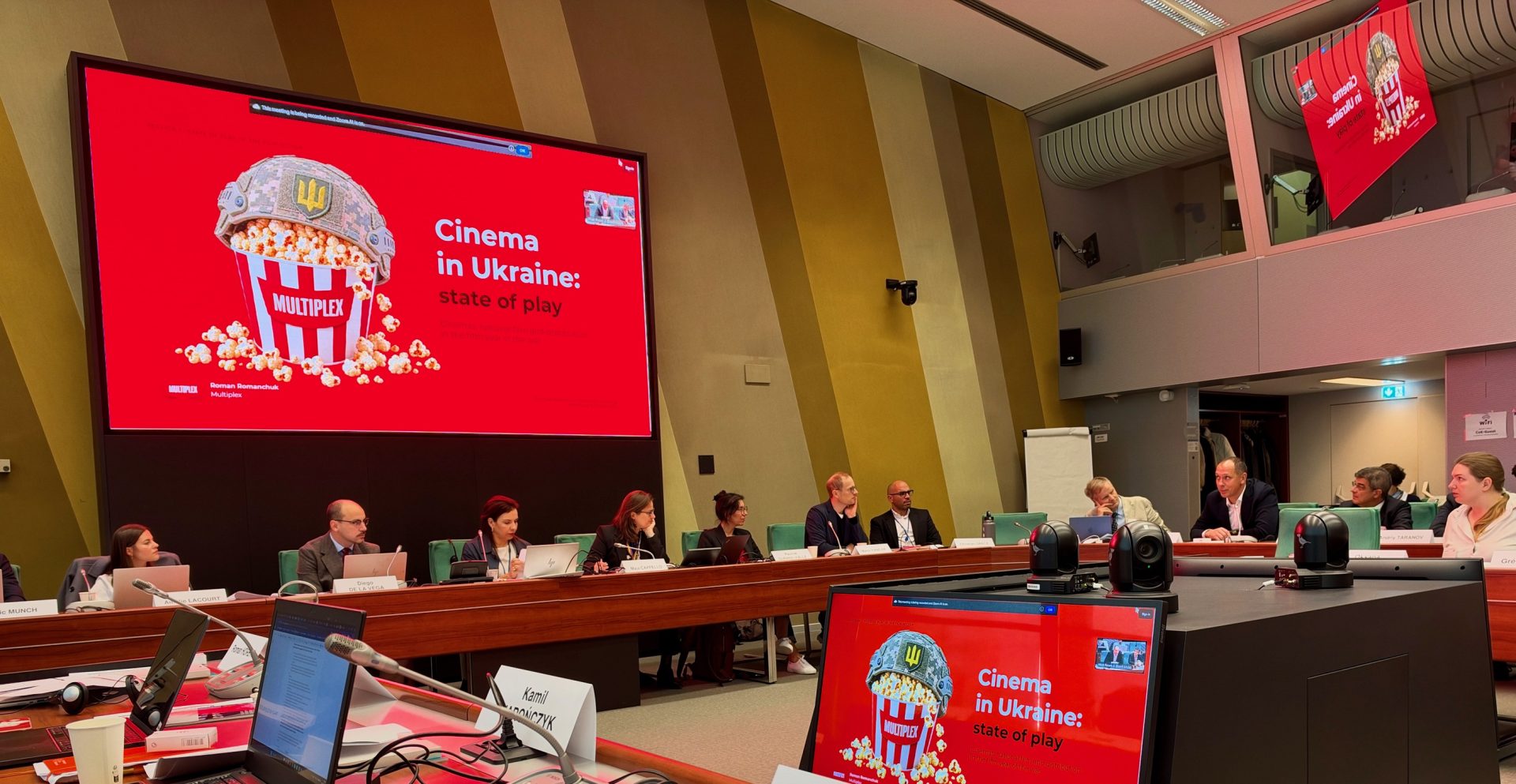
Part of the discussion focused on how to maintain the Ukrainian audiovisual sector’s ability to produce content in military environment. Industry representatives discussed production instability, cinema operations during air raid alerts, damaged infrastructure, a lack of predictable funding, and distribution challenges. European experts presented models for supporting cinemas, producers, and distributors that are in place in various European countries.
For the National Council, one of the Workshop’s main focus areas was the discussion on digital platforms. European and Ukrainian experts analyzed how mechanisms for responding to illegal content work in practice, how responsibilities are divided between national regulators and EU institutions, and what the state’s interaction with major online services should look like.
One of the examples presented concerned Germany. There, specialized AI-based tools help the regulator identify potentially illegal content. The algorithm does not make the final decision: the identified content undergoes a double-check by human reviewers. If there are signs of a criminal offense, the information is forwarded to the Federal Criminal Police Office, after which the regulator may apply the procedures provided for by law against the platform. Data on the platforms’ responses is also used in interactions with the European Commission.
When discussing Ukrainian regulation, participants highlighted one of its key challenges: the Law “On the Media” establishes rules for video-sharing platforms, but the National Council’s authority depends on the jurisdiction of the specific service. Most of the major platforms through which the Ukrainian audience receives information fall outside Ukrainian jurisdiction. It is precisely through such services and anonymous accounts that disinformation, Russian propaganda, and other information operations are actively disseminated.
The participants discussed possible approaches to aligning Ukrainian legislation with the EU’s Digital Services Act. Among the questions Ukraine needs to address are the scope of authority for the future digital services coordinator, the powers of regulators regarding platforms that serve a Ukrainian audience from abroad, the transparency of their operations, the assessment of systemic risks, and mechanisms for responding to illegal content.
The discussion also highlighted the challenge of striking a balance between countering Russian propaganda and protecting freedom of expression. Participants discussed instances where platform algorithms restrict or remove content about Russian aggression, while propaganda networks continue to amplify their messages on social media and through artificial intelligence tools. Therefore, when shaping European approaches to platform regulation, it is important to take Ukraine’s experience into account and ensure Ukraine’s participation in such processes.
For Ukraine today, it is important to preserve the industry’s professional teams and production capacity, strengthen ties with the European market, and at the same time establish effective rules for the new digital environment.
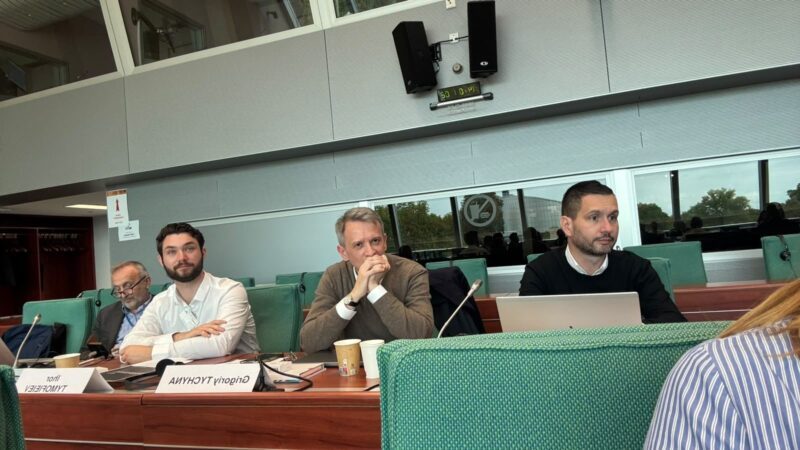
The Workshop was attended by representatives of regulatory bodies, the audiovisual industry, film agencies, producers, distributors, broadcasters, platforms, and experts from Ukraine and European countries.

