


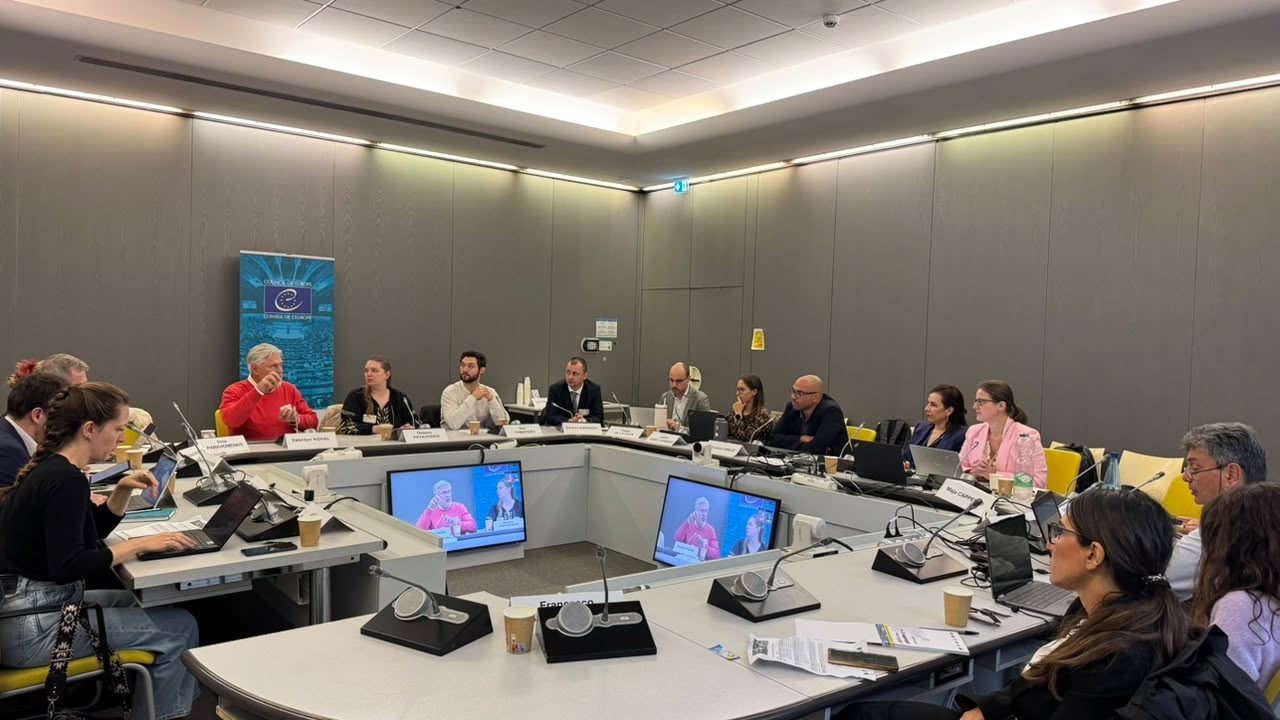
Events were held in Strasbourg as part of the 21st mission of the Twinning project “Reforming Audiovisual Media Regulation in Ukraine in line with EU Standards and international best practices,” Representatives of the National Council and their European counterparts discussed the regulation of the use of European audiovisual works, the application of quotas, cooperation with independent producers, and practical monitoring tools.
One of the key topics of the meetings was European approaches to the regulation and promotion of European audiovisual works.
Representatives of the European Audiovisual Observatory presented the provisions of the EU Audiovisual Media Services Directive pertaining to European works. They discussed the criteria for defining such works, requirements for the share of such content in on-demand service catalogs, and ways to ensure its visibility to audiences.
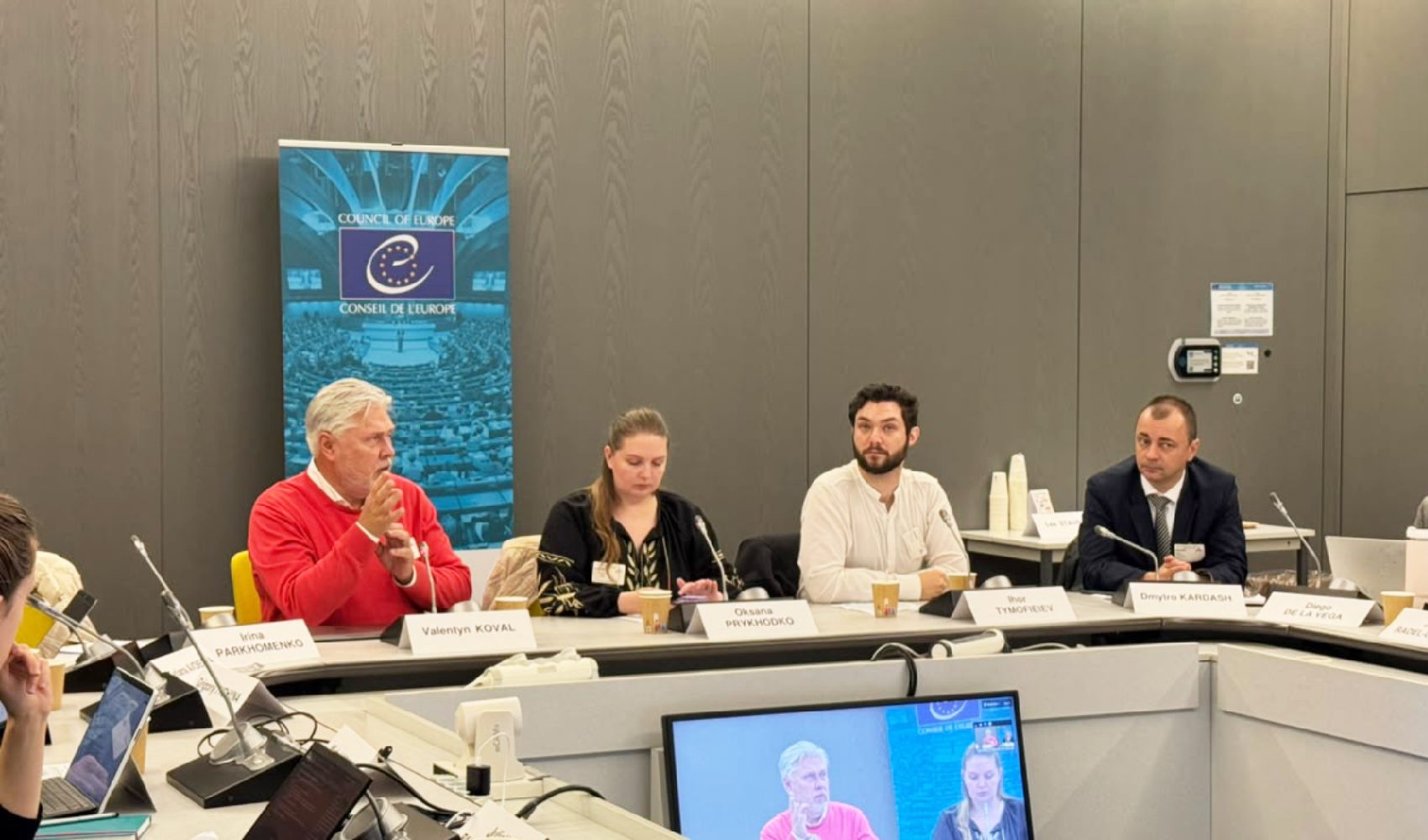
On behalf of the National Council, Ihor Tymofieiev, presented Ukraine’s experience with applying quotas for national and European audiovisual content. Participants compared how these requirements are implemented in different countries, what methods regulators use to monitor compliance with quotas, and how accessible data on audiovisual works is.
Part of the discussion focused on practical issues that regulators face when monitoring compliance with these requirements. Access to reliable information about works, methods for verifying that information, and the effectiveness of monitoring tools directly influence how effective the established rules are.
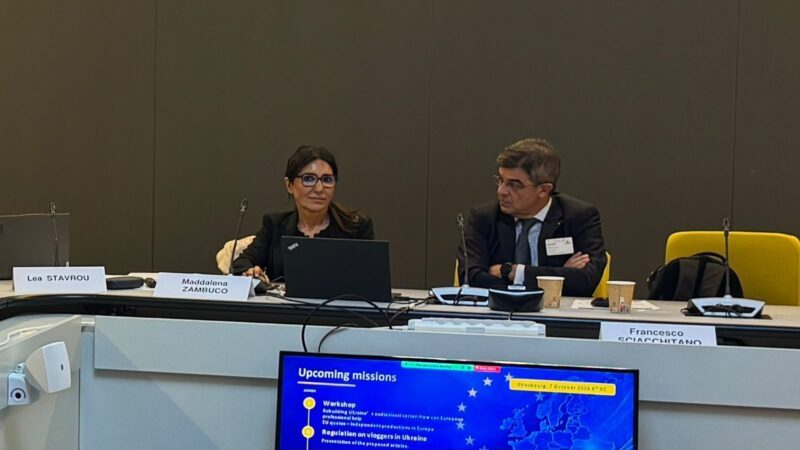
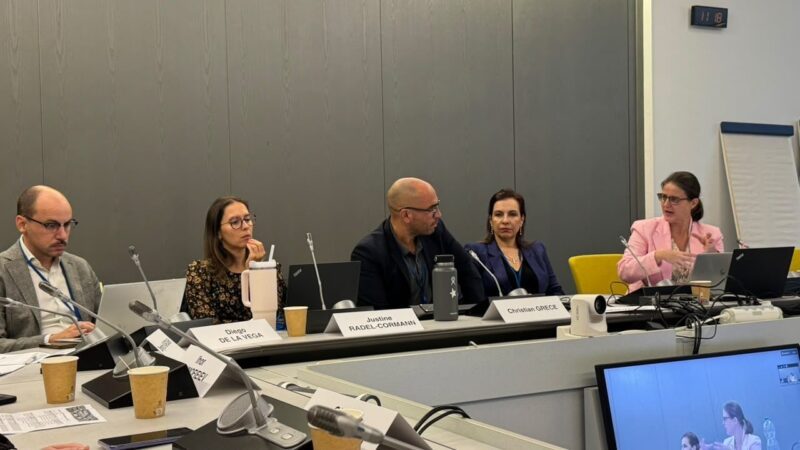
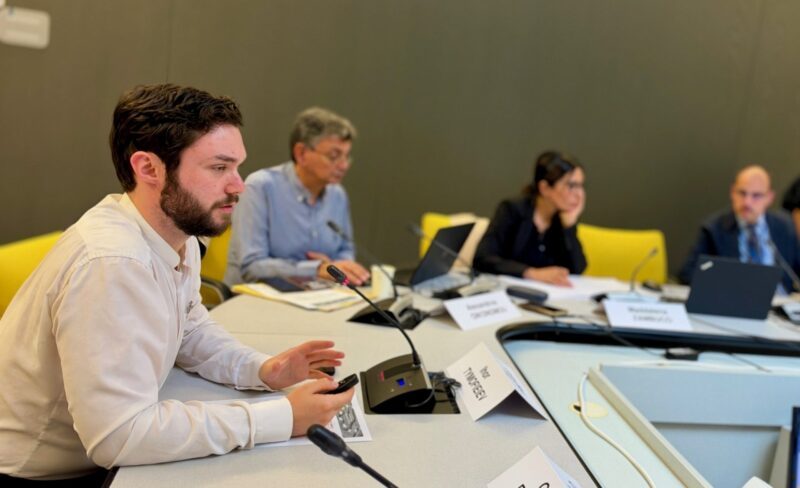
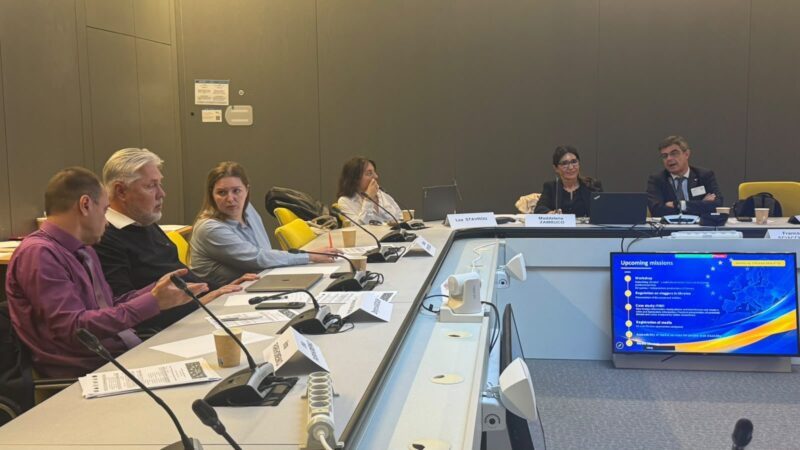
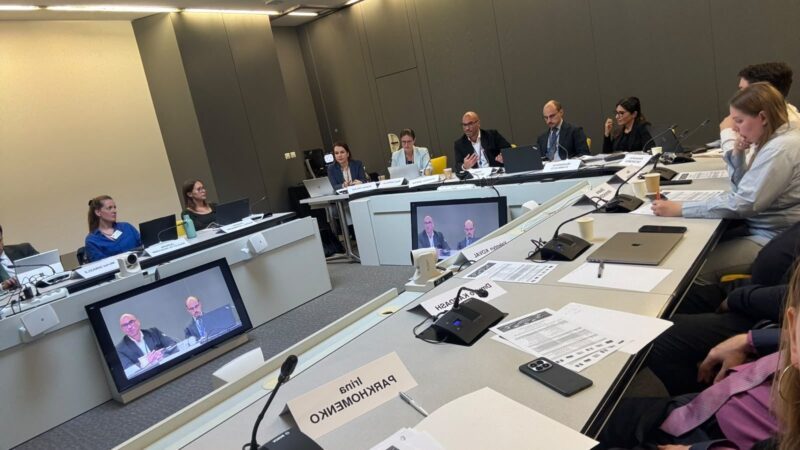
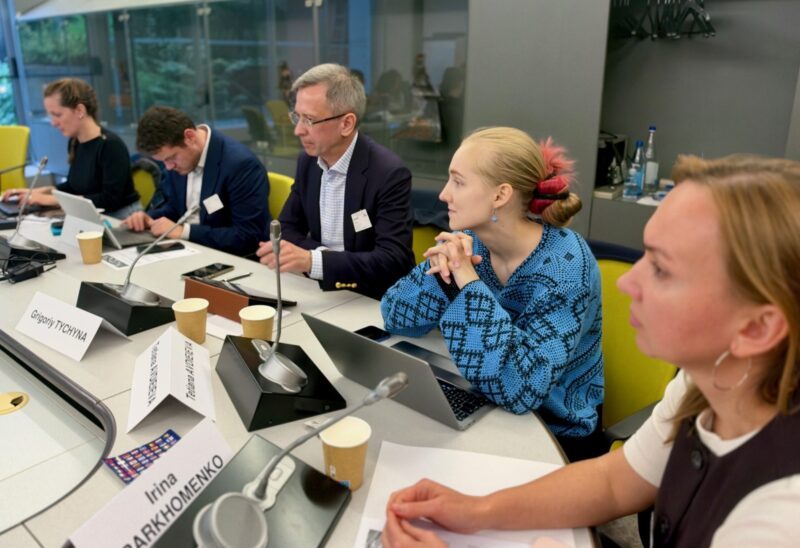
Another area of focus was the implementation of quotas for the use of works by independent producers of audiovisual works. Representatives of the European Audiovisual Observatory and regulatory bodies from Italy, France, and Greece explained how their countries determine the independence of producers, apply the relevant quotas, and monitor compliance.
In practice, determining a producer’s independence requires analyzing a significant amount of information. Participants discussed verifying ownership structures, corporate connections, control over the production process, and contractual relationships.
Representatives of the National Council shared their experience in applying Ukrainian legislation and outlined the challenges that arise during the collection and verification of the necessary data.
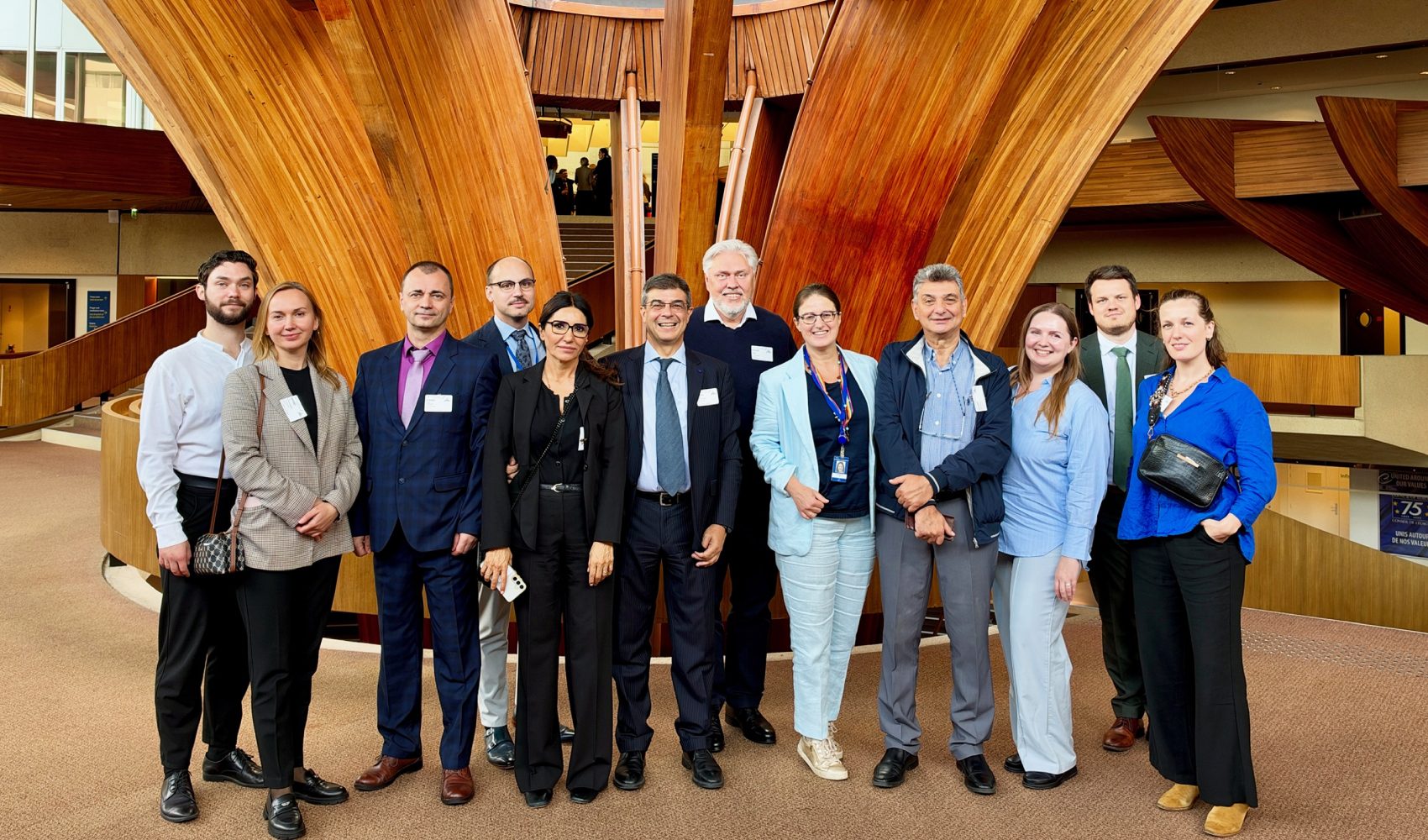
This exchange of experiences provided an opportunity to compare regulatory models in place across various European countries and to evaluate approaches that could be useful for further improving the Ukrainian monitoring system. Participants also identified issues that require further consideration as part of the process of aligning Ukrainian media legislation with European standards.

