


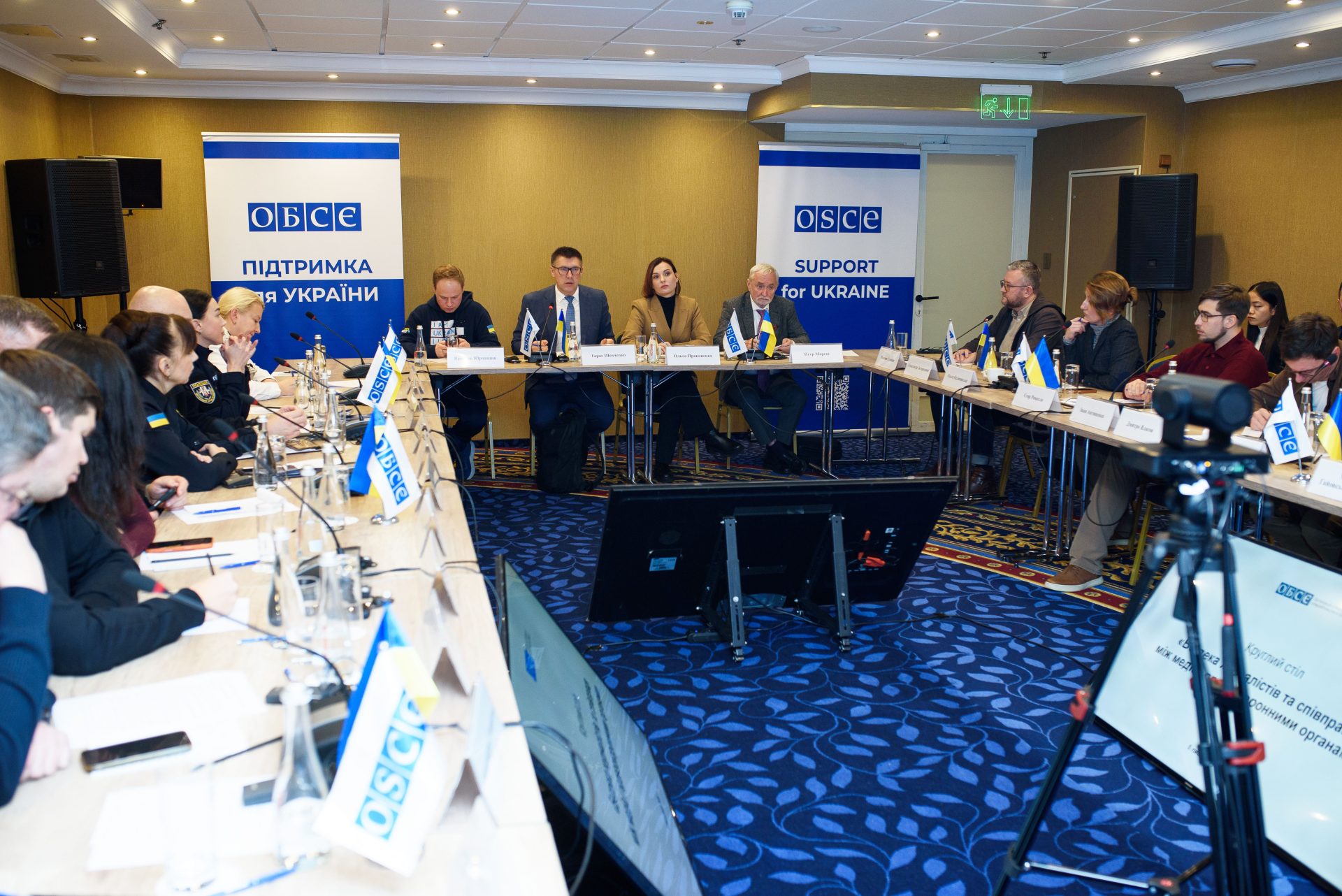
Impunity for attacks against journalists, digital threats, access to sites of shelling, and cooperation with law enforcement agencies were among the issues discussed on 5 November during the roundtable “Journalists’ Safety and Cooperation between the Media and Law Enforcement Agencies”, organised by the OSCE. Oleksandr Burmahin, a Member of the National Council, took part in the event. He emphasised the need for effective investigations into crimes against journalists and reaffirmed the media regulator’s readiness to contribute to joint efforts to ensure their safety.
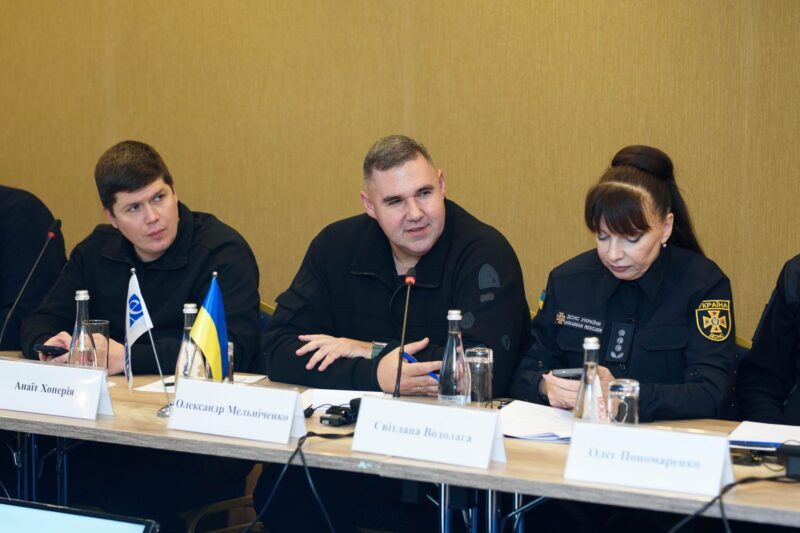
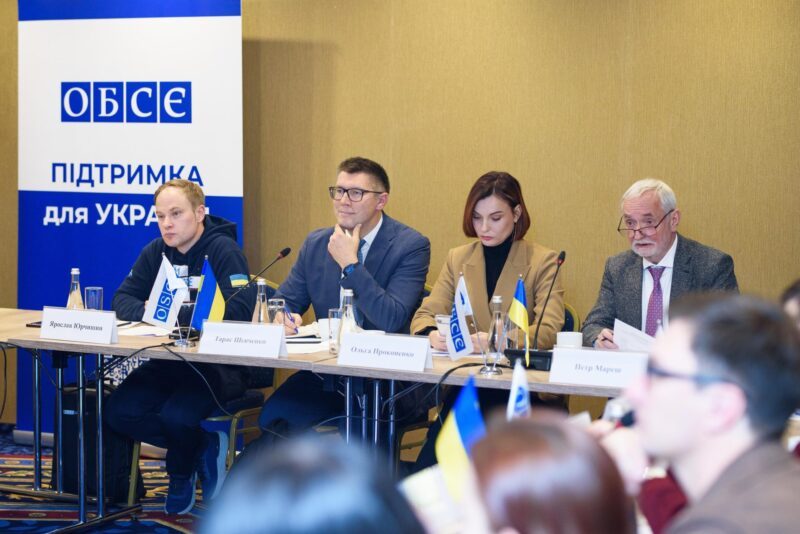
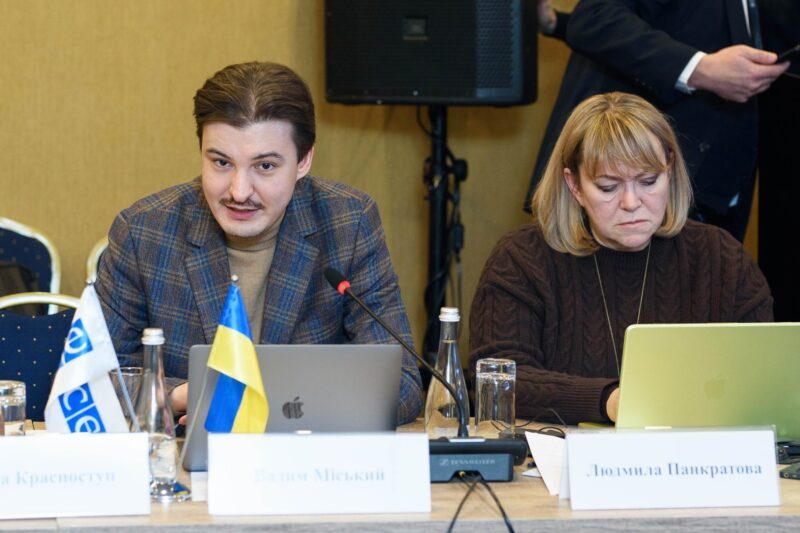
The discussion brought together representatives of the media, law enforcement agencies, the Armed Forces of Ukraine, government institutions and international organisations.
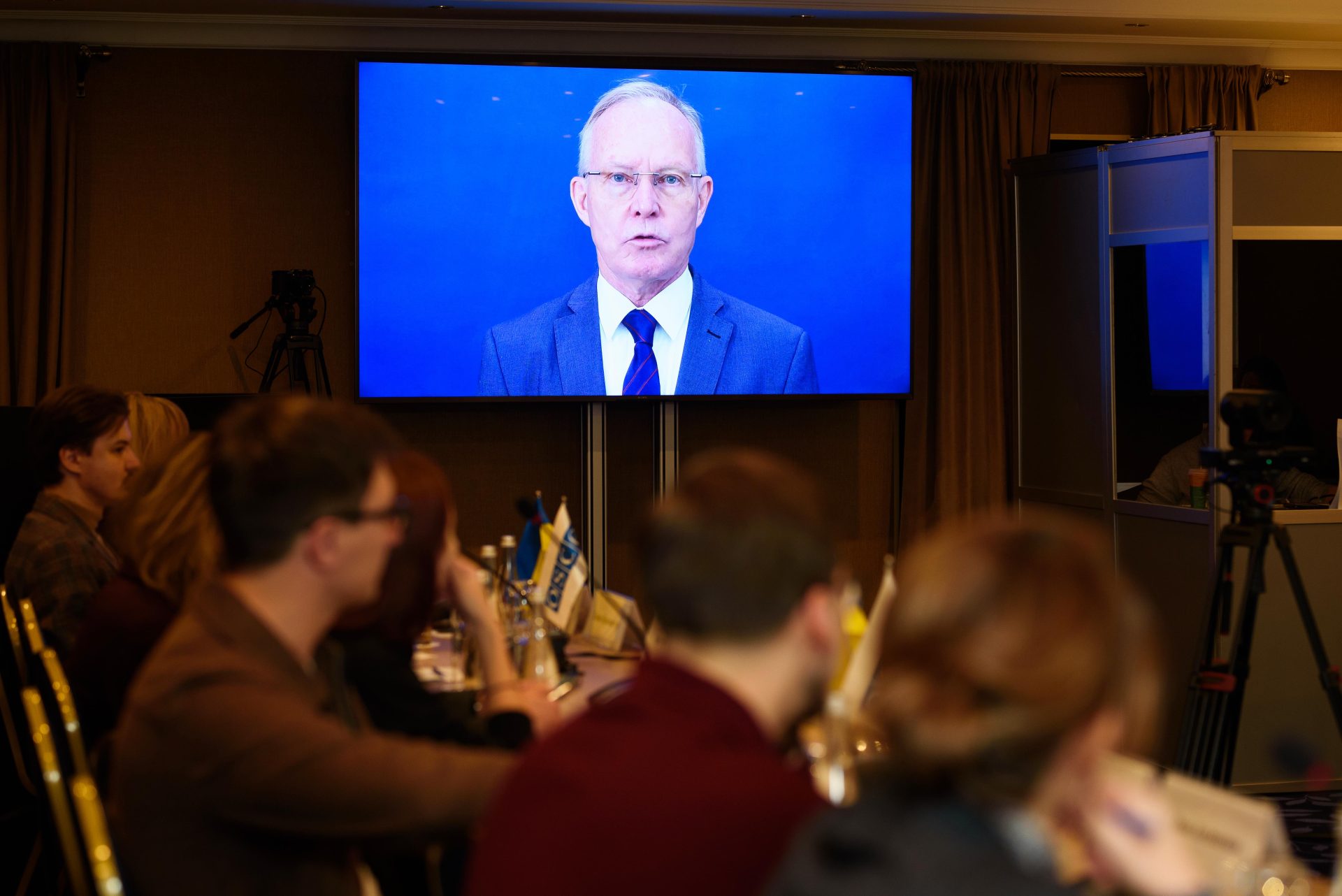
Opening the event, Jan Braathu, OSCE Representative on Freedom of the Media, stressed the need to strengthen cooperation between journalists and law enforcement agencies. He called on participants to develop concrete recommendations that would help ensure a timely response to threats and build mutual trust. The Ambassador also spoke about OSCE initiatives, including joint training sessions for journalists and law enforcement officers, as well as activities aimed at supporting the psychological well-being of media professionals.
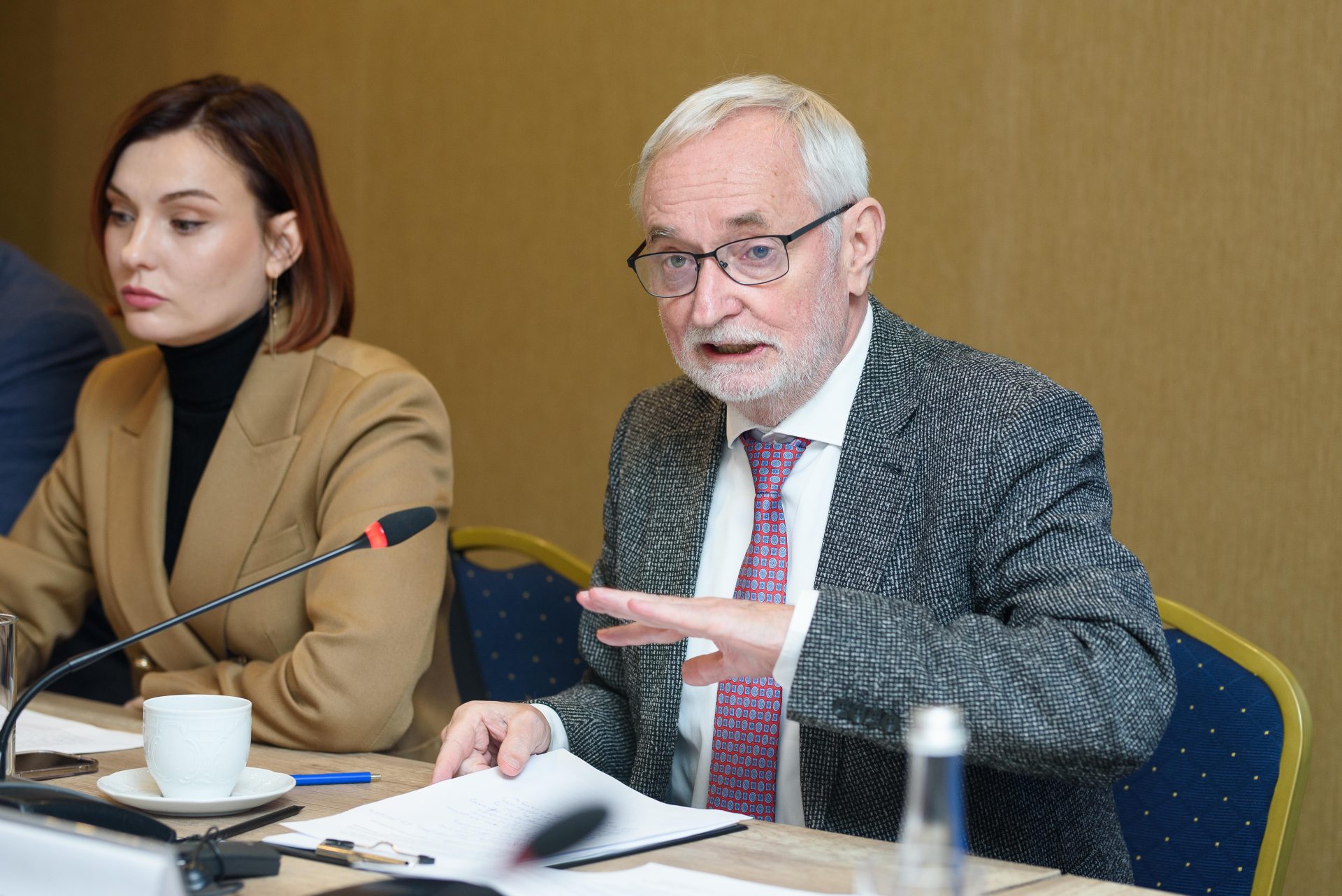
Petr Mareš, Ambassador, Special Representative of the OSCE Chairpersonship – Project Co-ordinator in Ukraine, drew attention to the physical and digital threats faced by Ukrainian journalists during the war. He noted that account hacking, data leaks and other cyberattacks can threaten not only the safety of media professionals but also the reliability of the information they disseminate. According to him, journalists should know where to seek assistance when facing threats, while law enforcement agencies should have clear procedures for responding to such reports.
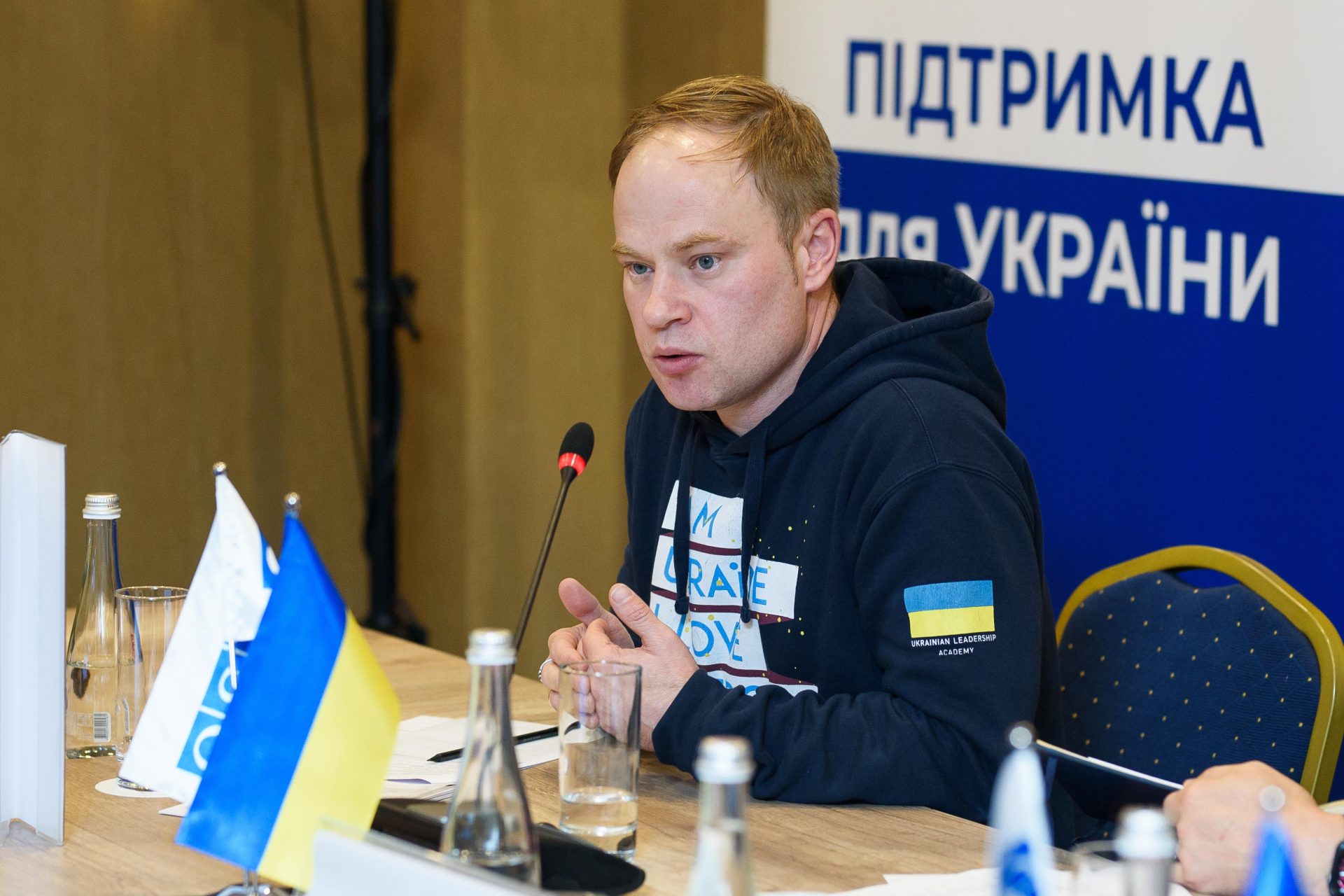
Yaroslav Yurchyshyn, Chairman of the Verkhovna Rada of Ukraine Committee on Freedom of Speech, highlighted the new dangers faced by media professionals during the war. In particular, the PRESS marking, which previously helped protect journalists, can now make them targets of attacks. He also raised the issue of anti-drone protection and called on participants to speak openly about existing challenges and jointly seek ways to address them.
Oleksandr Burmahin, a Member of the National Council, identified impunity for attacks against and pressure on journalists as one of the serious challenges facing Ukrainian media. He emphasised the insufficient effectiveness of investigations into such crimes, including cases of pressure on journalists in the digital environment.
According to him, the resources available to media lawyers and legal advocates are not always sufficient to protect journalists against such attacks. The active involvement of law enforcement agencies, which have the necessary investigative powers, is essential to identify those responsible and bring them to justice.
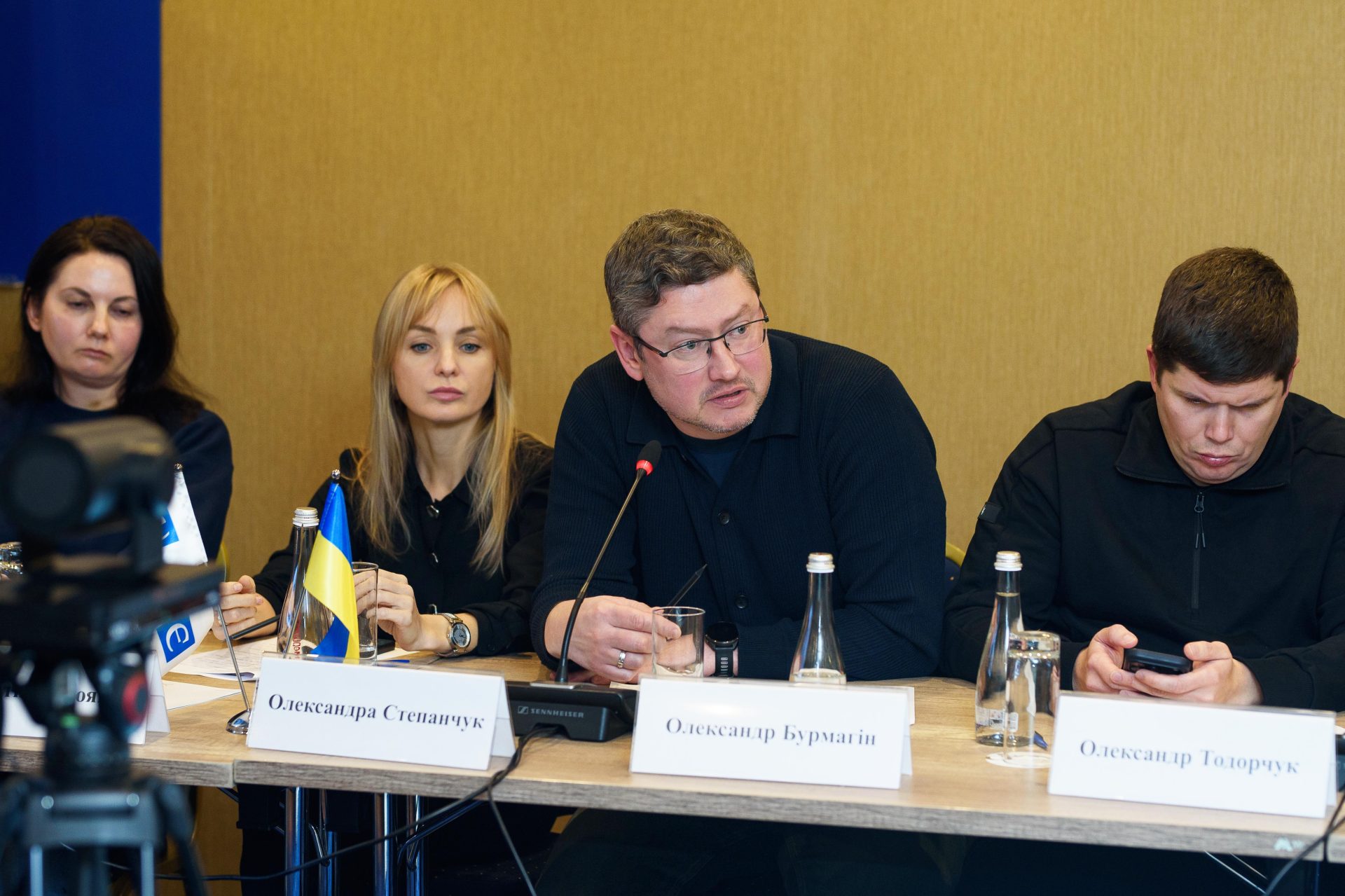
Oleksandr Burmahin noted that, in his view, such cases fall under Article 171 of the Criminal Code of Ukraine, which provides for liability for obstructing the lawful professional activities of journalists. He stressed the importance of more active involvement of investigators and prosecutors in investigating such offences.
“When there is a perception that journalists can be attacked, beaten and assaulted with impunity, this has a negative impact on professional journalism,” the media regulator’s representative marked.
During the discussion, participants addressed ways to counter digital attacks and deepfakes, to protect personal data, to provide media professionals with protective equipment, and to organise specialised training for working in dangerous conditions.
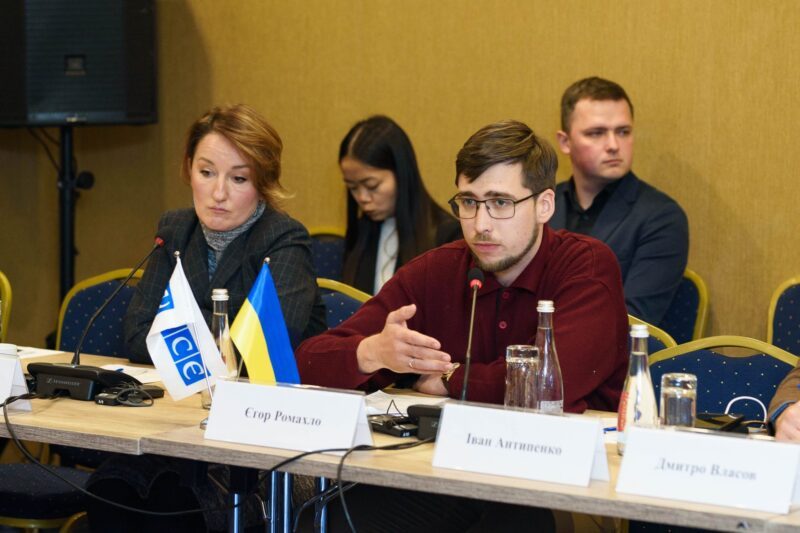
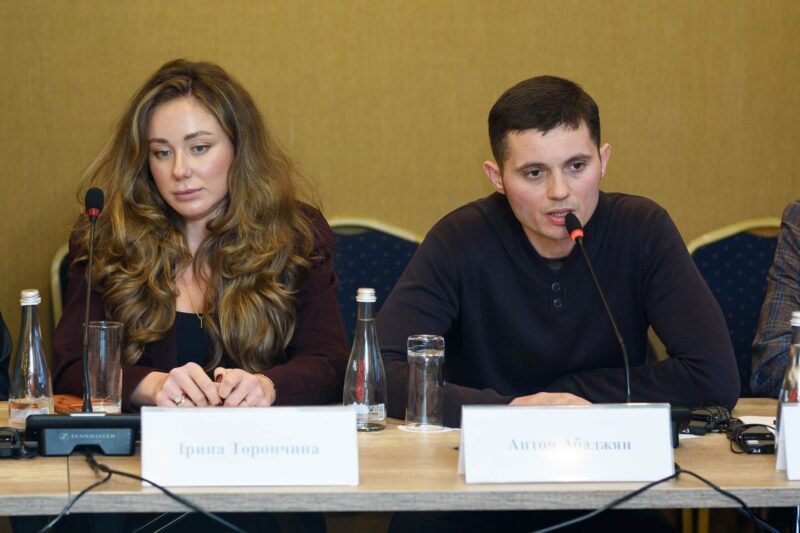
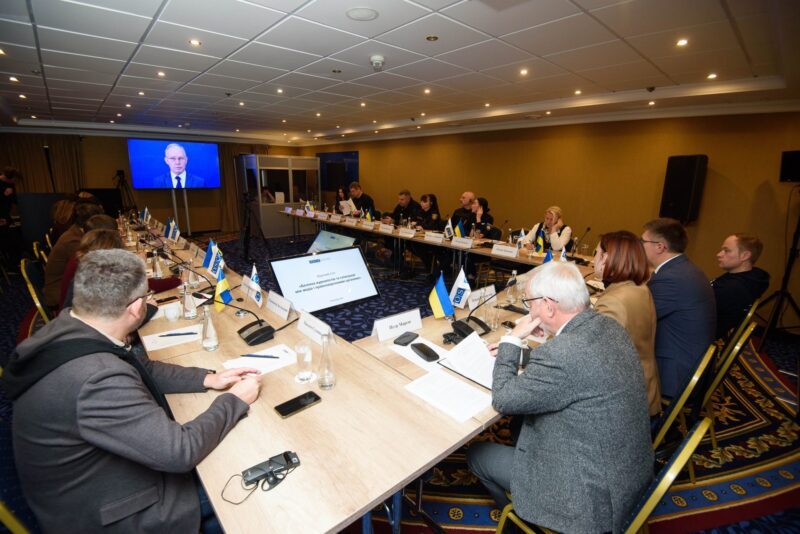
Oleksandr Burmahin reaffirmed the National Council’s readiness to contribute to joint efforts to protect journalists and support relevant initiatives.
Following the roundtable, participants agreed the need to develop joint recommendations and protocols for cooperation between the media, law enforcement agencies, the military and other government institutions. These are intended to help journalists work more safely during the war, ensure timely responses to threats, and establish coordinated guidelines for covering events while taking security restrictions into account.

