


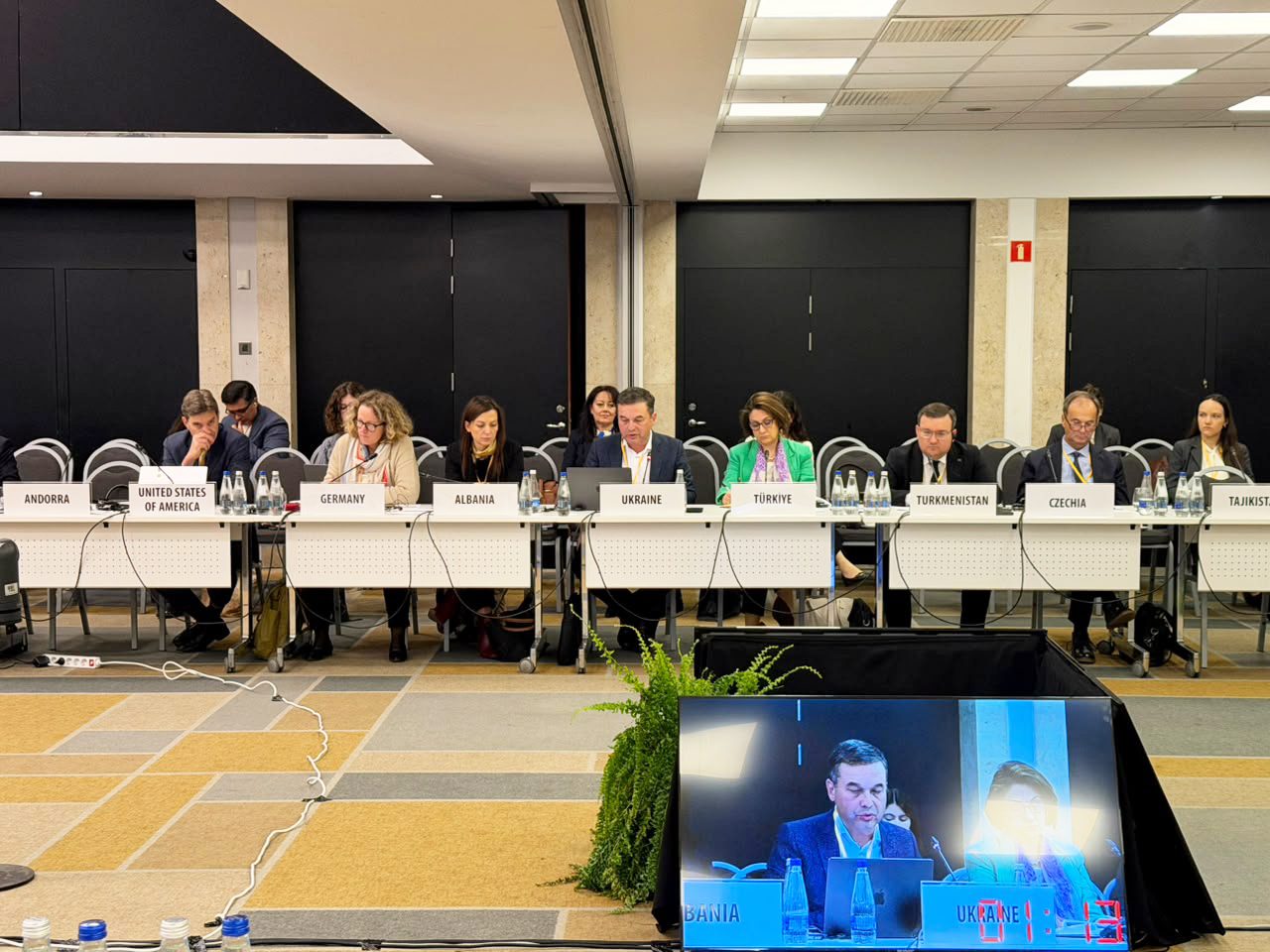
On October 13, as part of the OSCE Conference on the Human Dimension currently taking place in Warsaw, a session was held dedicated to issues of freedom of speech, freedom of expression, and the protection of journalists. Yurii Zinevych, a member of the National Council, briefed representatives of the organization’s Member States on the challenges facing Ukraine’s media sector.
The conference is generally devoted to discussing the fulfillment by OSCE participating States of their human rights obligations, as well as issues requiring the international community’s urgent attention.
Ricardo Gutiérrez, General Secretary of the European Federation of Journalists (EFJ), opened the session. In his opening remarks, he outlined the main challenges facing journalists around the world today. These include a crisis in the traditional funding model, which has led to job losses and deteriorating working conditions; an increase in intimidation, harassment, and physical violence; the killing and imprisonment of media professionals; and the widespread dissemination of lies and disinformation, amplified by technological capabilities, among other issues. According to him, today “citizens’ right to access free, independent, and reliable information, as well as their right to freedom of expression, are under threat.”
Ricardo Gutiérrez highlighted the work of solidarity centers in Ukraine, which were established as journalist safety centers where any Ukrainian or foreign media professional can obtain personal protective equipment and access to communication tools so they can continue their work. He called for full support for the activities of such centers, “which provide citizens around the world with access to free, independent, and pluralistic information from conflict zones.”
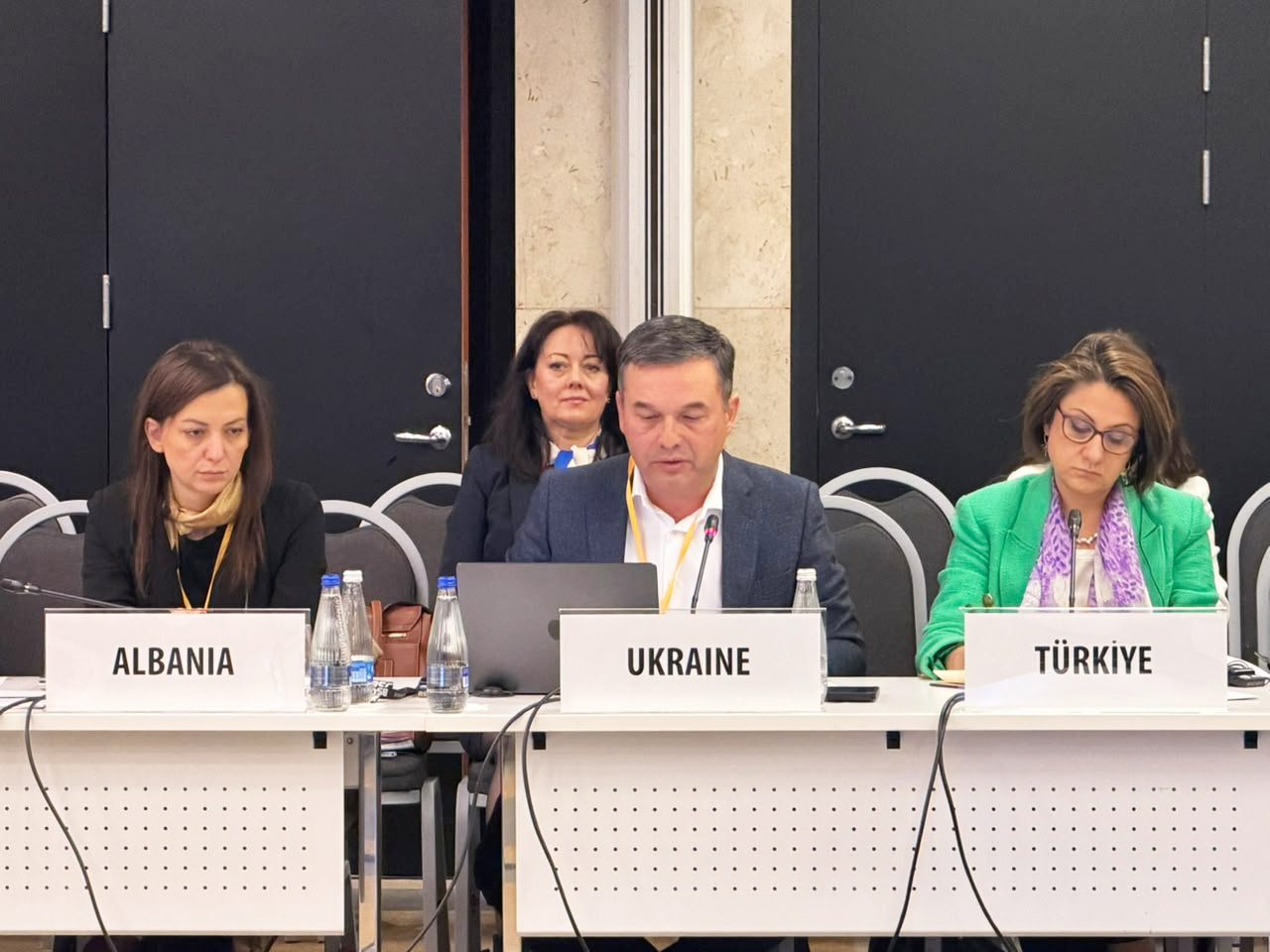
In his remarks, Yurii Zinevych drew attention to Russia’s gross violation of society’s fundamental right to access information. This is taking place through systematic attacks on Ukrainian journalists, media outlets, and infrastructure. Russian aggression, he emphasized, is aimed at weakening the financial and human resources of Ukrainian media and restricting citizens’ access to Ukrainian content, especially in frontline regions.
The National Council member informed OSCE Member States that, in addition to media outlets, data centers, internet service providers, and other telecommunications infrastructure facilities were also targeted by Russian strikes in September. As a result of these attacks, four national and a number of regional media outlets were forced to suspend their broadcasts. Currently, to protect their newsrooms from attacks, media outlets are forced to set up studios in bomb shelters.
“Attacks on journalists and the media should not be viewed as collateral consequences of war. These are violations of fundamental human rights—freedom of expression, access to information, and the free dissemination of accurate information. The safety of journalists, the protection of the right to information, and ensuring accountability for crimes committed against the media must remain a shared priority for all OSCE participating States. Ukraine calls on the international community to strengthen measures in response to Russian aggression,” emphasized Yurii Zinevych.
Participants noted that journalism makes an important contribution to the stability of democracy, but that contemporary challenges have placed it in a difficult position. That is precisely why there is a great need for governments and organizations to give appropriate attention to the protection and support of journalists.
As a reminder, the Conference is taking place on October 5–15 in Warsaw. According to the organizers, it has brought together more than 1,800 participants, including representatives of governments, international institutions, and civil society. The focus is on human rights, media freedom, democratic institutions, and the rule of law. On October 5, at a separate event, the OSCE Office for Democratic Institutions and Human Rights discussed how the prosecution of war crimes cases by Ukrainian courts affects the development of international justice.

