


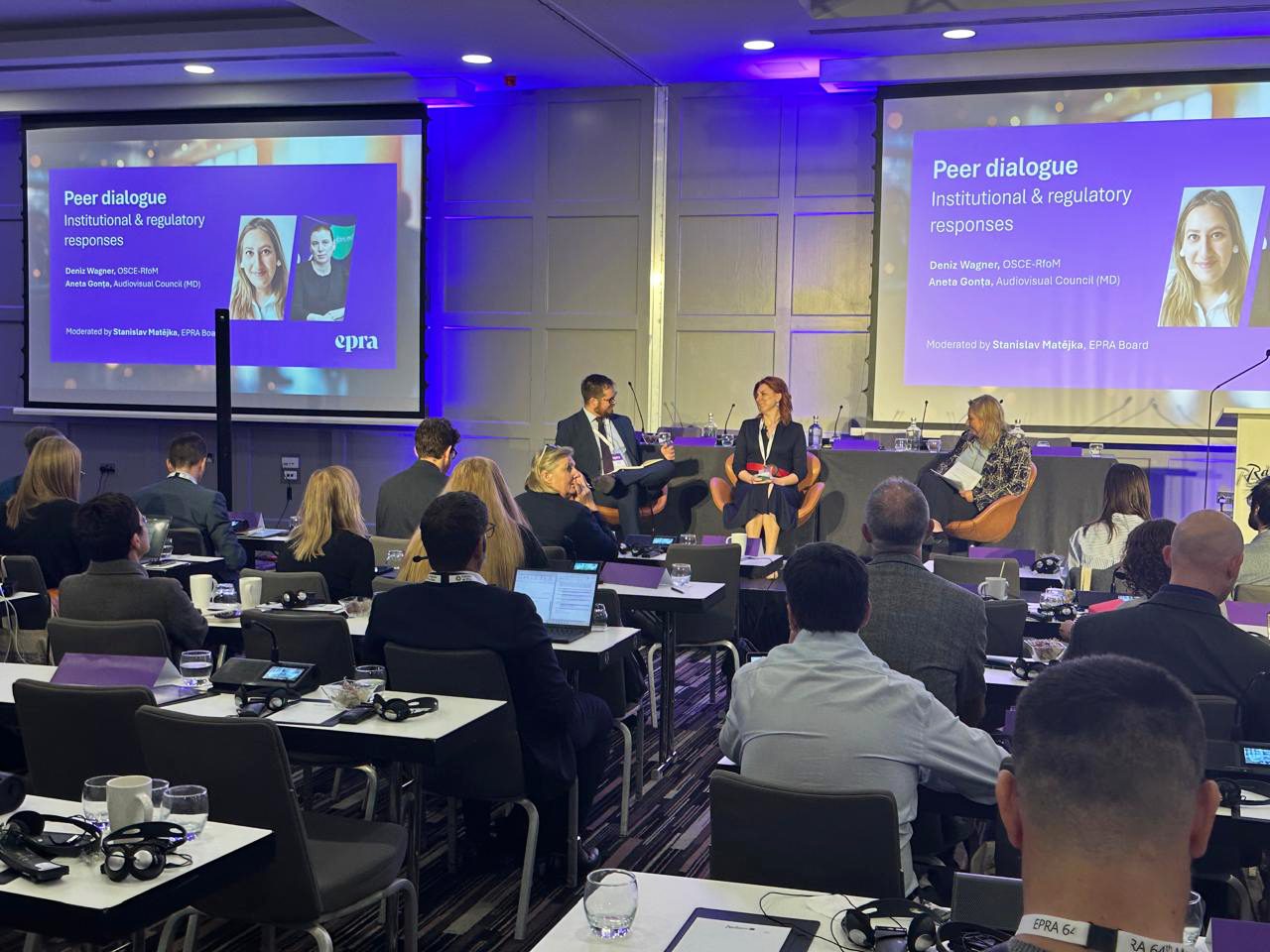
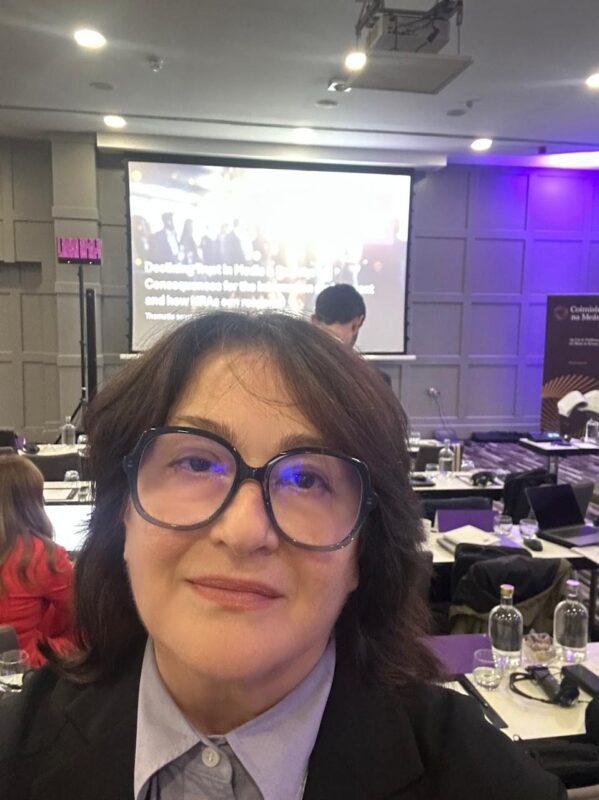
The National Council’s “Media Heart of Ukraine” project was recognized among the initiatives of European media regulators aimed at strengthening trust in the media. Olha Herasymiuk, Chair of the National Council, spoke about the project during a thematic session at the 64th meeting of the European Platform of Regulatory Authorities (EPRA).
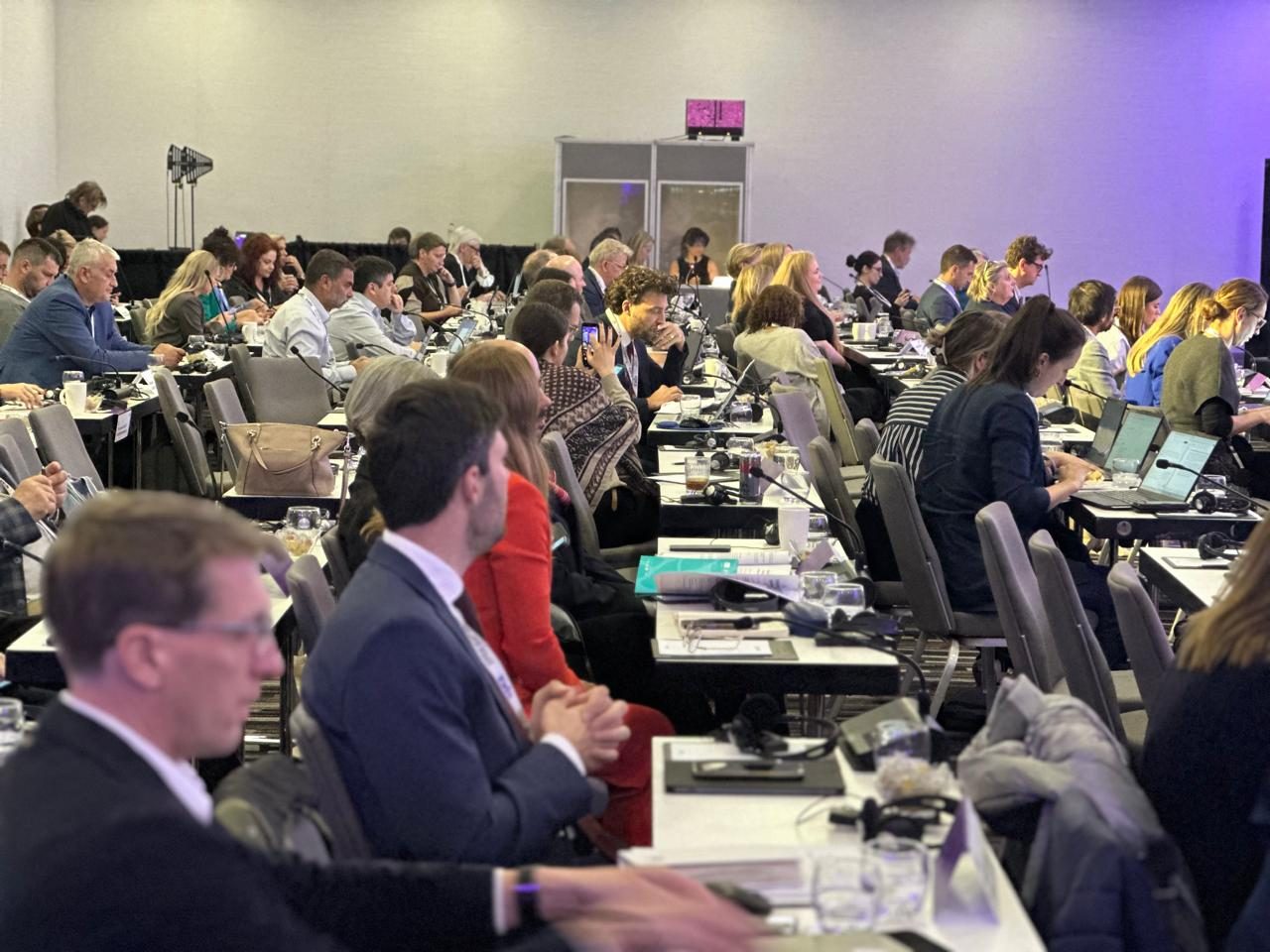
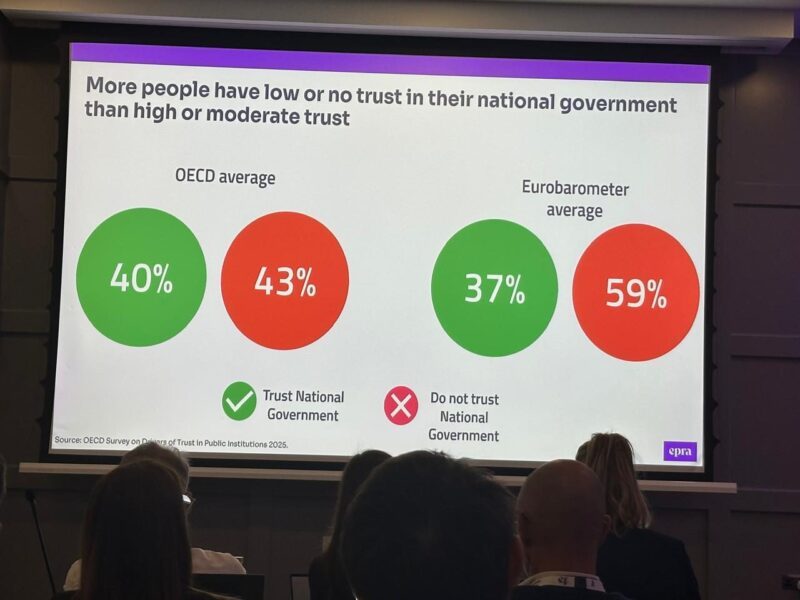
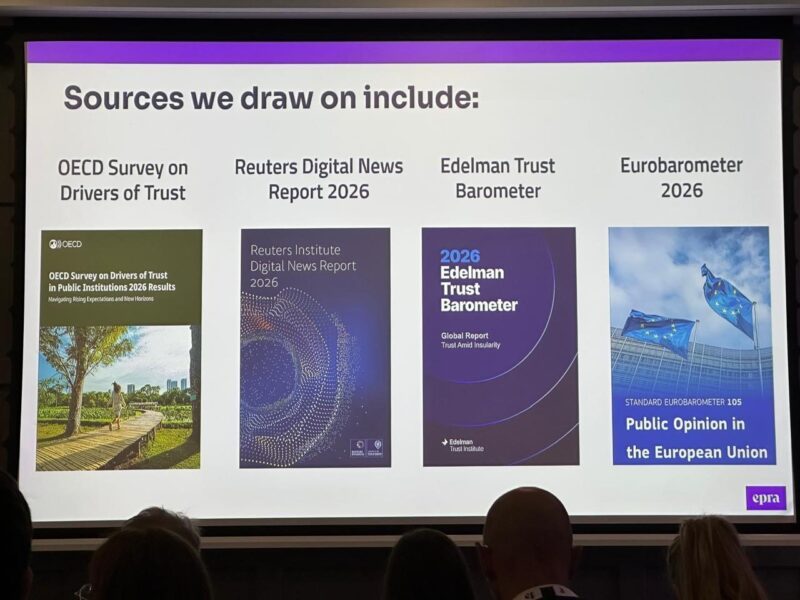
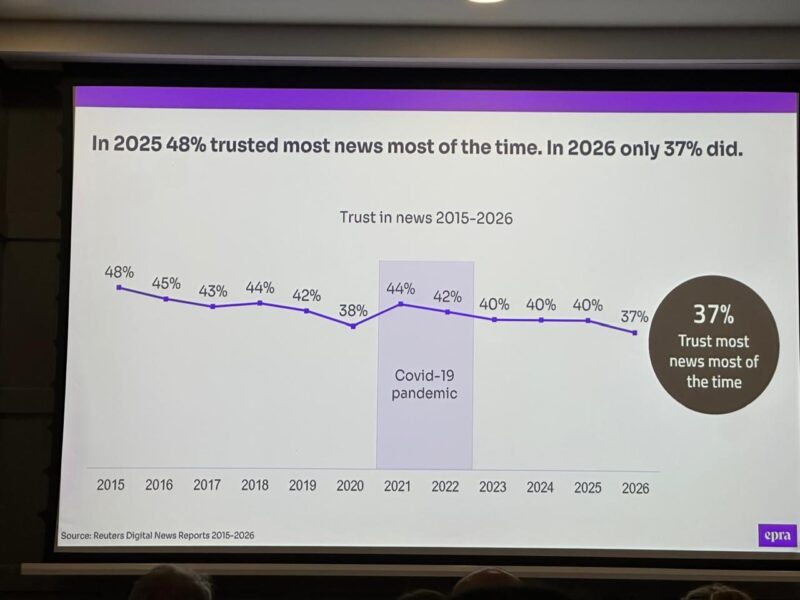
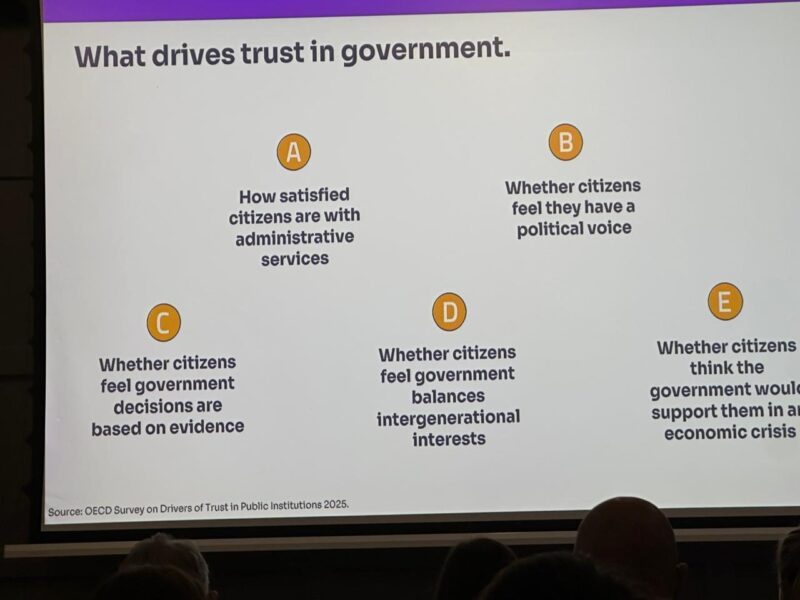
During the session, which took place on October 15 in Dublin, representatives of regulatory bodies, researchers, and media professionals discussed the reasons for the decline in trust in the media and public institutions, the impact of digital platforms and artificial intelligence on news consumption, and the ability of regulators to respond to these changes. EPRA brings together 56 regulatory authorities in the field of media services. The issue of trust in the media remains one of the key challenges for the European information landscape. The scale of the challenge is illustrated by data from the Reuters Institute Digital News Report 2026: the average level of trust in news in 48 countries has fallen to 37% — the lowest level since records began in 2015. At the same time, social media and video platforms have become the most common source of online news for the first time: 54% of respondents use them, although only 22% trust the news on these platforms.
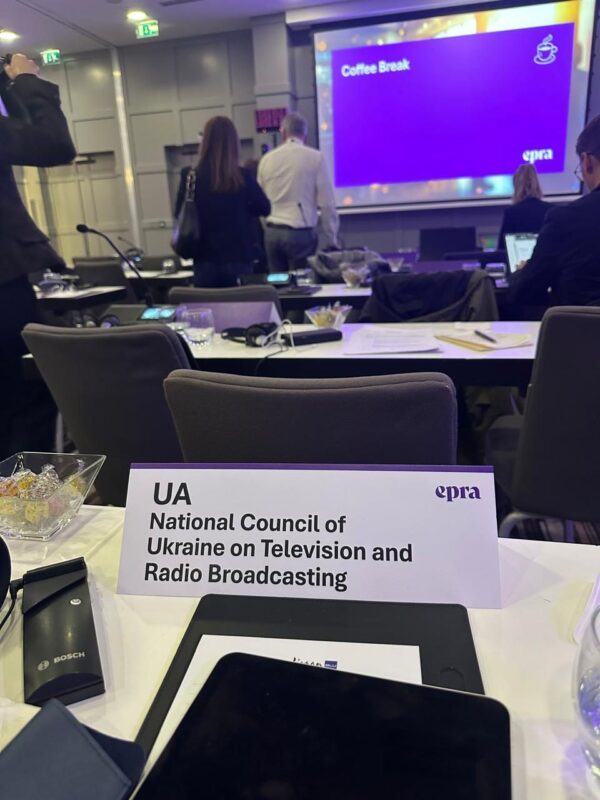
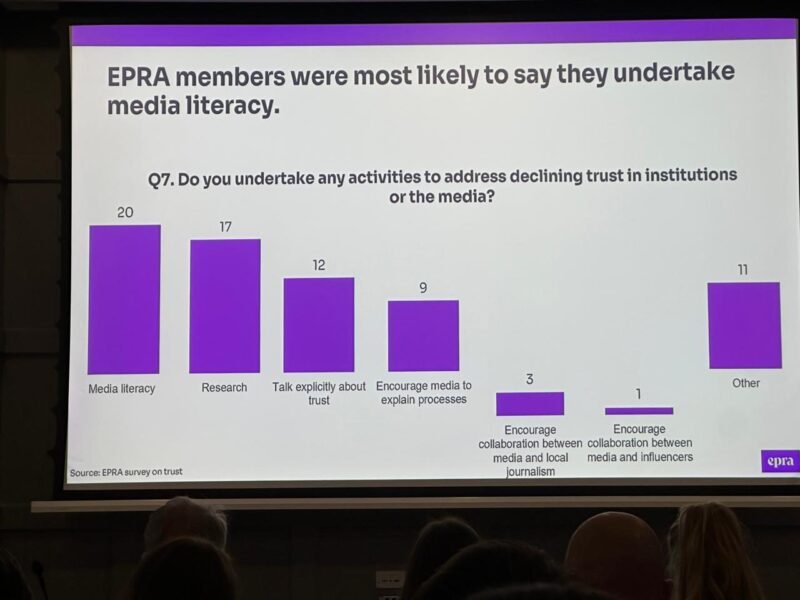
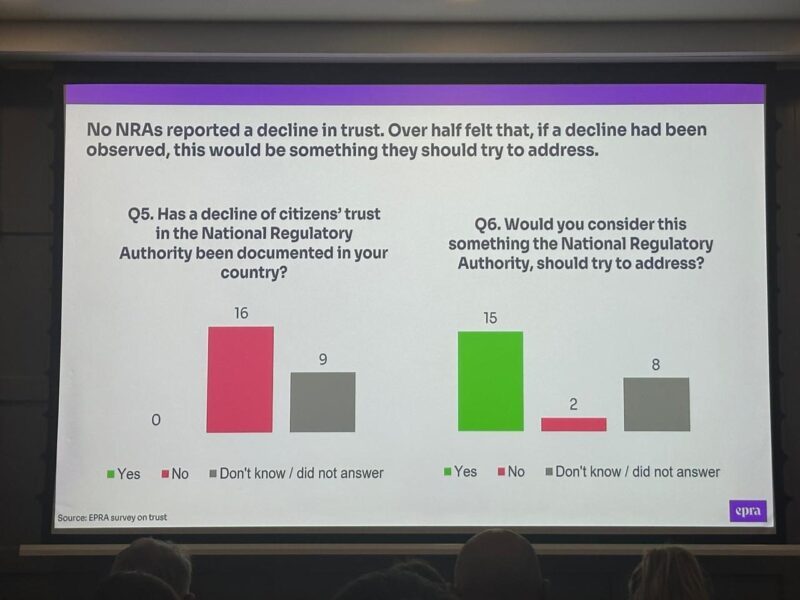
The discussion also covered practical steps taken by media regulators. According to the results of an EPRA survey, in which 24 regulatory bodies participated, 17 reported a decline in trust in national media, and 22 are already implementing measures to address this issue. Among the most common areas of focus are media literacy and research.
Speaking about “The Media Heart of Ukraine,” Olha Herasymiuk emphasized that trust is especially important in wartime, when journalists’ work often involves life-threatening risks. “Trust isn’t born from words. It grows when people see that journalists are working for them and remain true to their profession even in the most dangerous circumstances.”
Launched in 2022, the project documents the work of Ukrainian journalists, newsrooms, and media outlets during Russia’s full-scale invasion. Its reports cover crimes against media workers, working conditions in frontline and temporarily occupied territories, the resilience of newsrooms, and the support of the media community.
As an example, Olha Herasymiuk cited the story of media professionals from Trostyanets in the Sumy region. During the Russian occupation, the director of the local television and radio station, Olena Smilianska, and her son Dmytro, a sound engineer, continued to broadcast local news from their own cellar—right among the jars of preserves—while hiding from the occupiers. Local residents did not betray the journalists.
The story of the 105-year-old newspaper “Bilopillya” is also telling: On the first day of the full-scale invasion, the journalists’ first priority was to safeguard the publication’s archives—specifically, the bound volumes dating back to 1947—which they wrapped in bedsheets and transported to a safe location even before they began saving their own belongings. These stories show how respect for the work of media professionals and an understanding of its importance to the community can be expressed through concrete actions.
“The Media Heart of Ukraine” helps preserve evidence of Russia’s crimes, demonstrate the resilience of the Ukrainian media community, and explain to the public why journalism matters. As the Chair of the National Council emphasized, “Building trust requires high professional standards, transparent media operations, and public understanding of the conditions under which journalists work. The media regulator also needs trust—and is strengthening its role in fostering conditions conducive to the work of independent media.”
The 64th EPRA meeting is taking place in Dublin on October 14–16 at the invitation of the Irish media regulator, Coimisiún na Meán. The Agenda includes two thematic sessions: on October 15, participants discussed the decline in trust in the media and public institutions, and on October 16, they addressed the protection of children and youth in the digital media environment.
The Chair of the National Council regularly participates in the platform’s work. At previous meetings, Olha Herasymiuk, in particular, raised issues on the safety of journalists, countering disinformation, and the impact of artificial intelligence on the media, and shared Ukraine’s experience with strategic planning in wartime conditions.

