


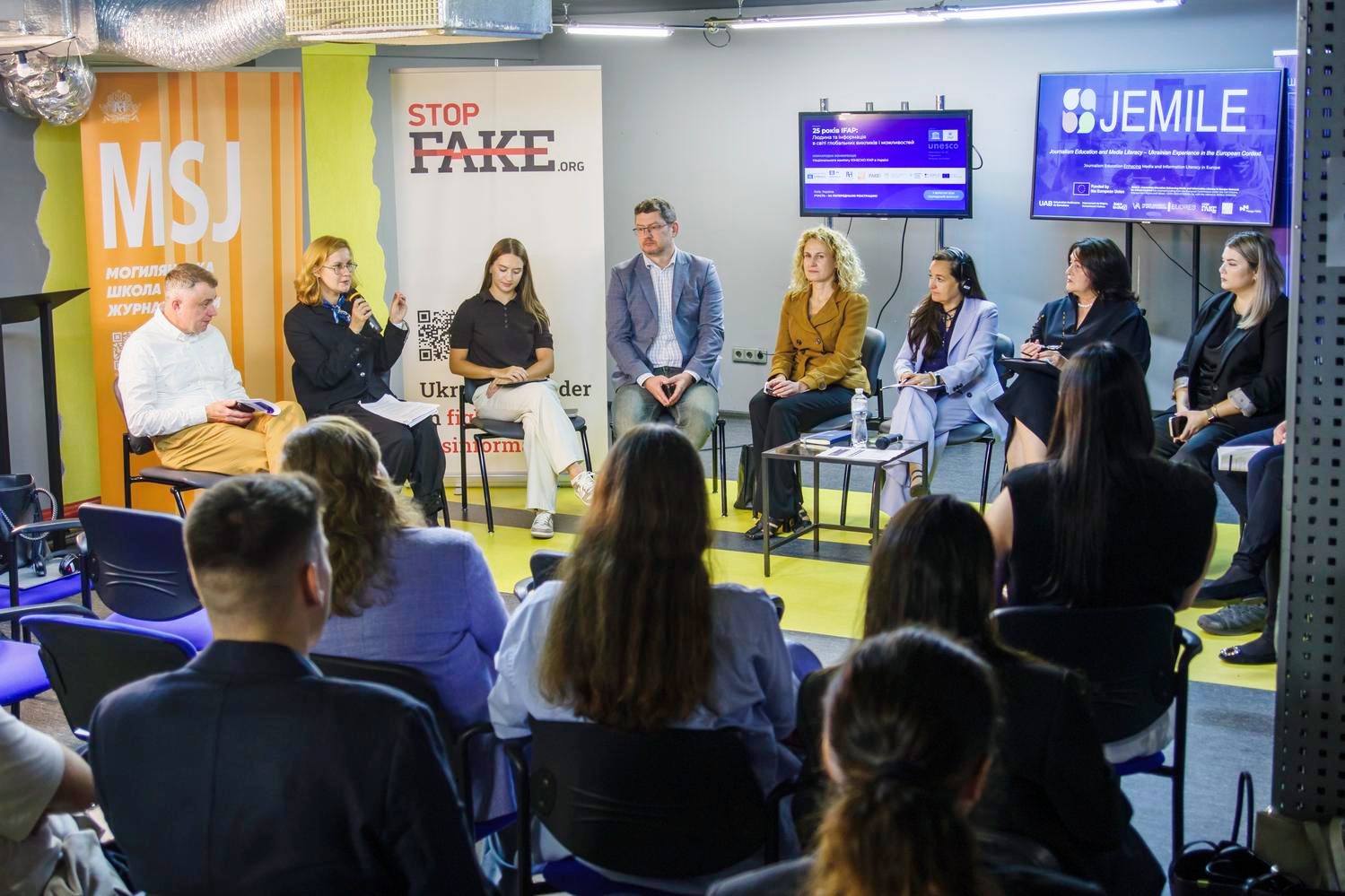
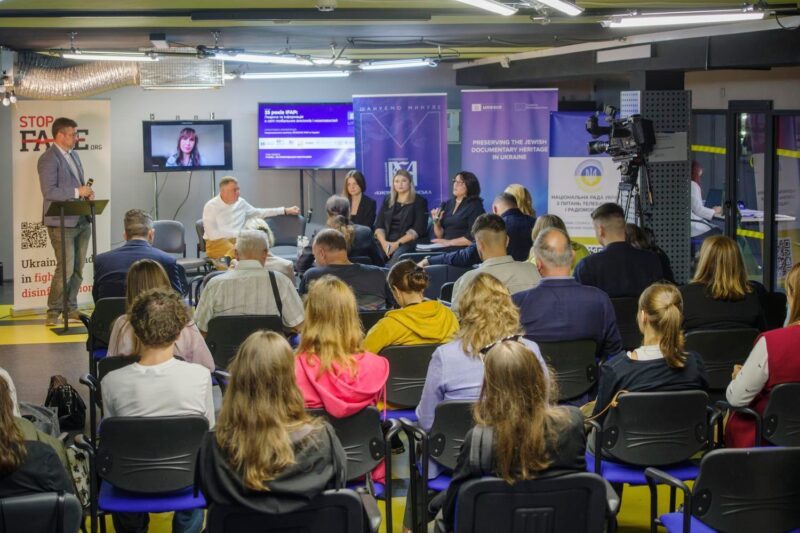
On September 7, an international conference dedicated to the 25th anniversary of UNESCO’s “Information for All” Programme (IFAP) took place in Kyiv. Participants – including members of the IFAP National Committee, scholars, researchers, representatives of UNESCO, the public, and government institutions – discussed the Programme’s role in the world and Ukraine’s influence on its activities and the international agenda in the information sphere. The event took place at the National University of Kyiv-Mohyla Academy.
According to UNESCO, the IFAP National Committee of Ukraine, established in March 2024, has become one of the most active and successful in its work. Ukrainian experts offer the world a unique experience, shaped by prolonged resistance to Russia’s hybrid aggression combined with responses to contemporary digital challenges.
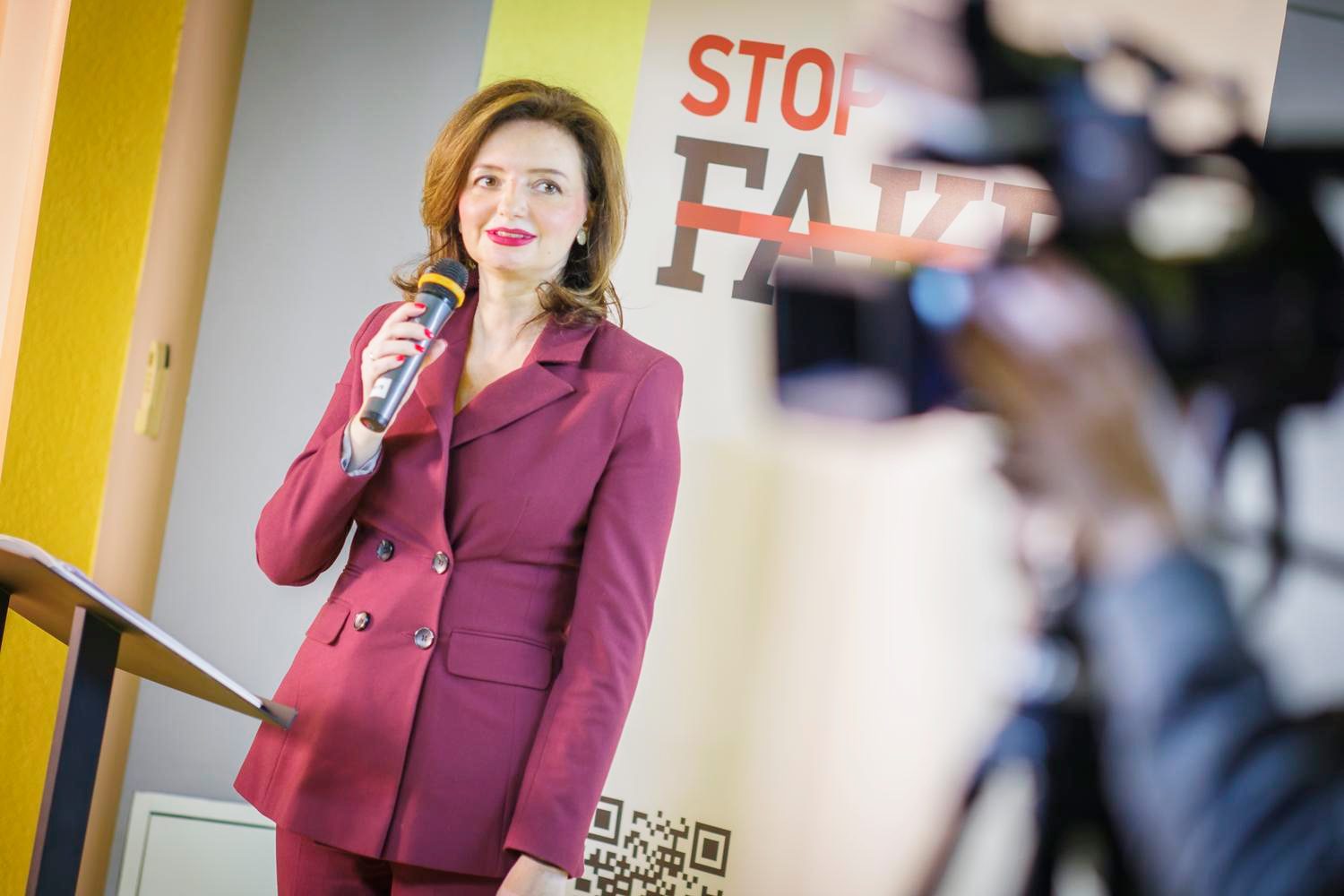
In her opening remarks, Mariana Betsa, President of the National Commission of Ukraine for UNESCO and Deputy Minister for Foreign Affairs of Ukraine, noted that Ukraine’s participation in IFAP represents – an opportunity “to position Ukraine as an innovative, technologically advanced, and distinctive country with a strong and rich documentary and archival heritage, as well as unique experience in countering hybrid threats, including disinformation and manipulation.” It also provides an opportunity to present evidence to the world of Russia’s systematic crimes against freedom of expression.
Olha Herasymiuk, Chair of the National Council and the IFAP National Committee of Ukraine, noted that the UNESCO Programme’s 25 years of work represent a quarter-century of dedication to an idea that is particularly relevant today.
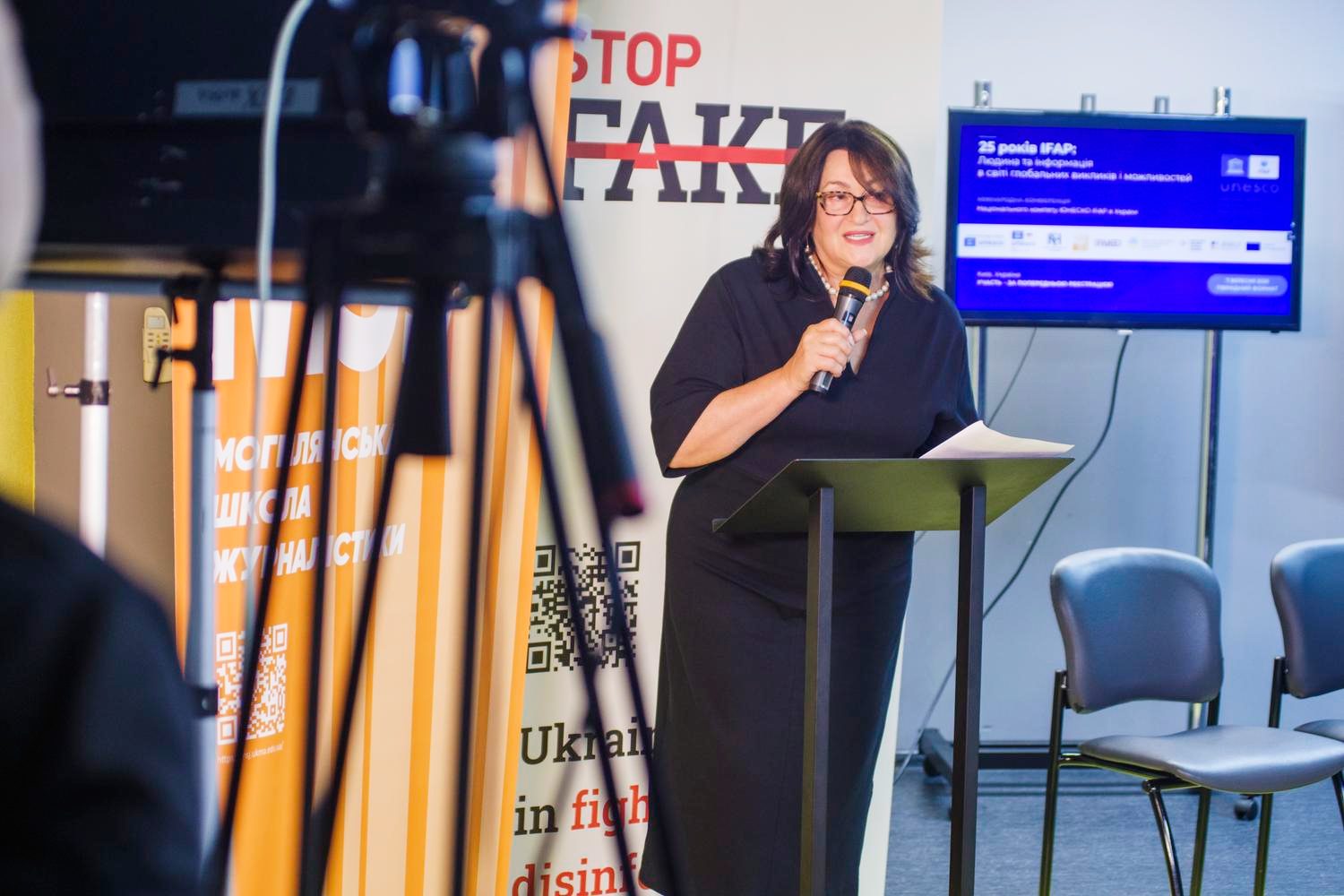
“Information is one of the foundations of human freedom, societal resilience, and national security. For Ukraine, this discussion has another important dimension, as this year we are marking the 35th anniversary of our state’s independence. And throughout all these years, our own information space has been developing alongside the state.”
According to Olha Herasymiuk, Ukraine has a unique, and painful, experience.
“We want to share our experience and knowledge with our partners, learn from them, seek common solutions and work together in the world, and be part of the global conversation about the future of information policy and the information world.”
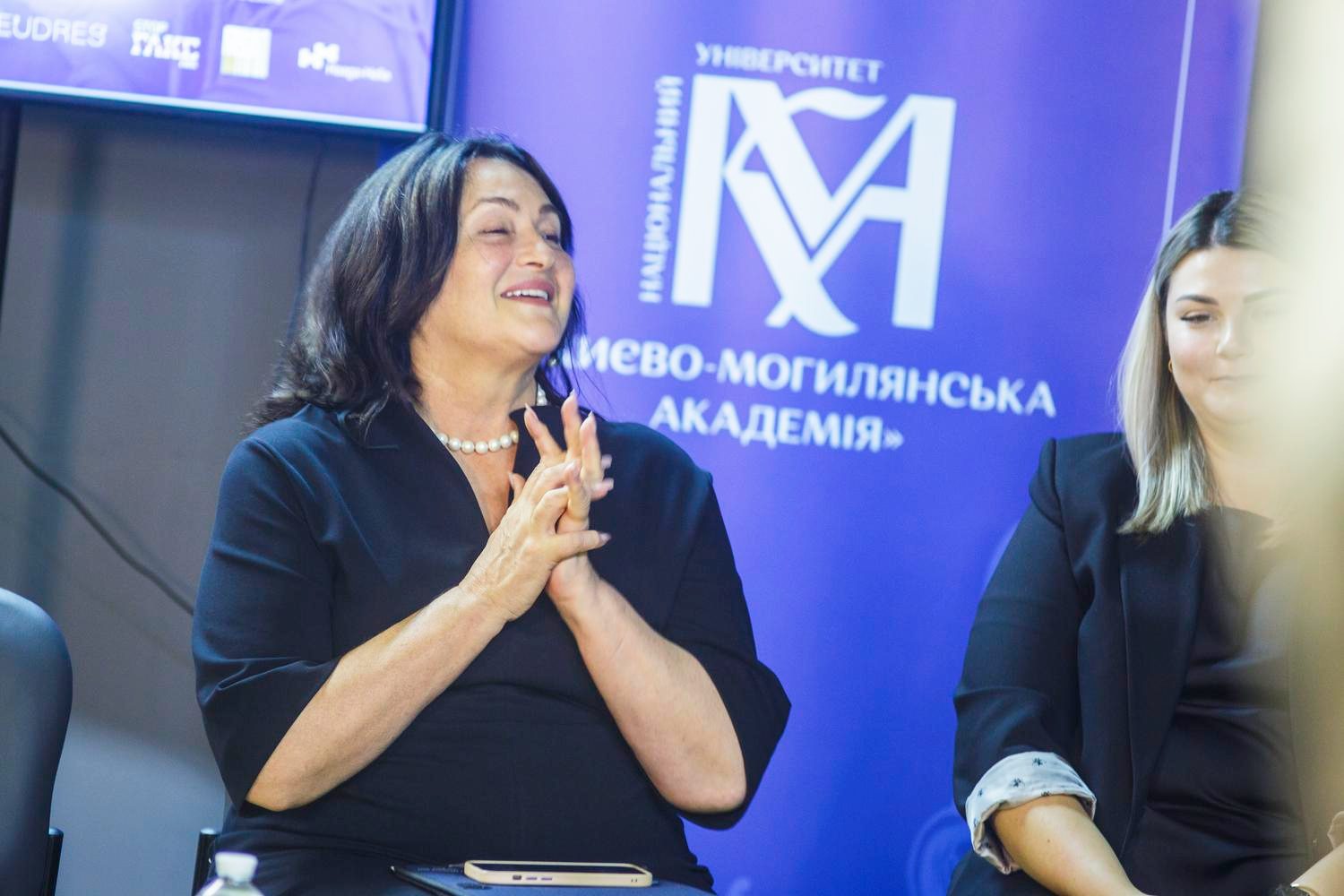
Established two years ago, the IFAP National Committee of Ukraine has become a platform for interaction among government institutions, the media, human rights defenders, and experts. An important outcome of the National Committee’s work was Ukraine’s election to the IFAP Bureau for 2025–2027. Olha Herasymiuk emphasized that Ukraine sees this role as an opportunity to contribute to the profound modernization of UNESCO – to make the Organization more agile, open to partnerships, and capable of responding more quickly to global and emergency challenges. This involves strengthening the role of regional offices, broadening the involvement of the private sector, academia, civil society organizations, and youth – as exemplified by Ukraine’s introduction of the status of UNESCO Youth Ambassador – and updating UNESCO’s communication policy to enhance the global visibility of its projects.
“Colleagues, information must not only be created and disseminated; it must also be preserved,” emphasized the Chair of the National Council.
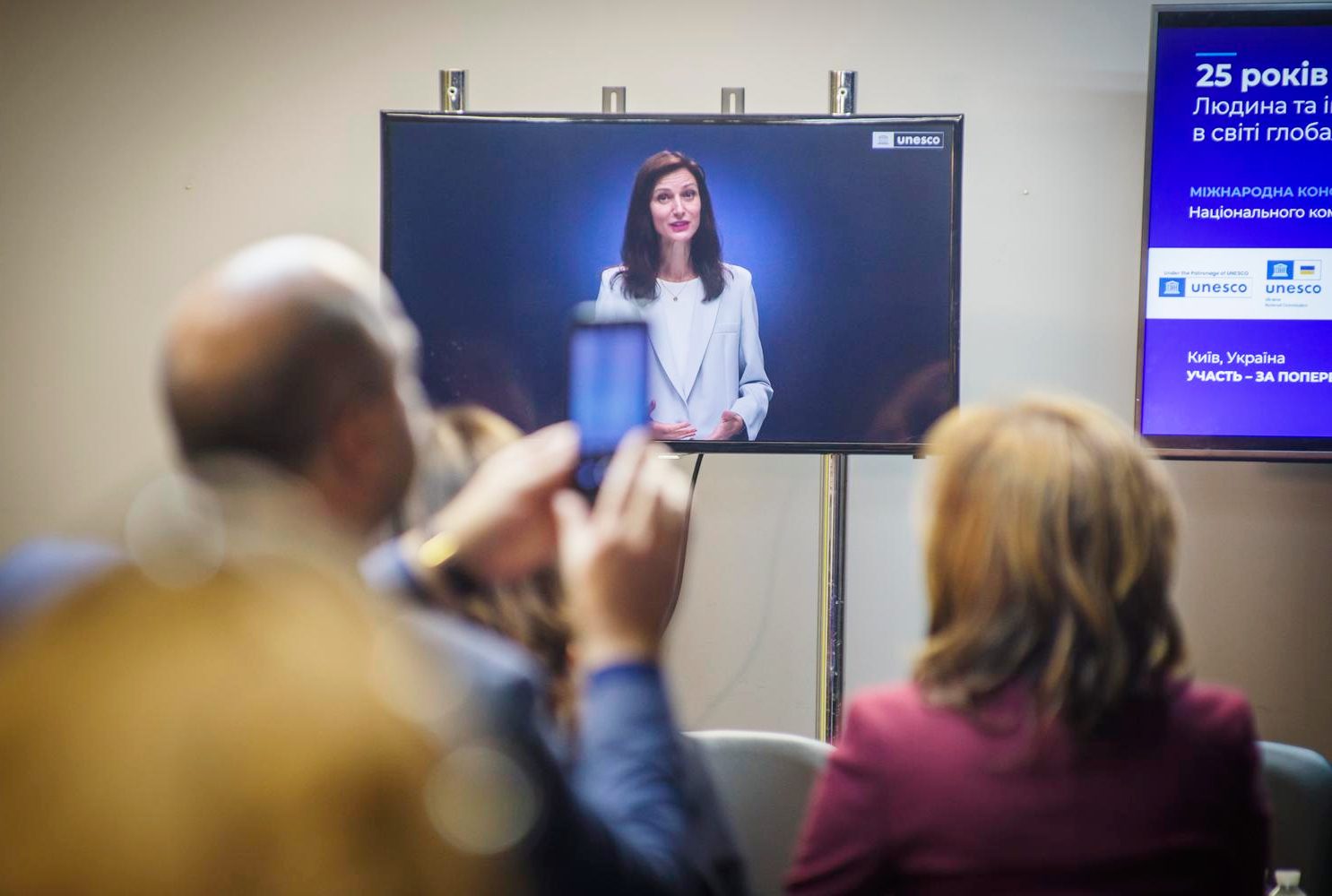
In a video address, Mariya Gabriel, UNESCO’s Assistant Director-General for Communication and Information, emphasized that Ukraine’s experience clearly highlights several priorities of the IFAP Programme: information literacy, information preservation, and access to information.
“In today’s Ukraine, the significance of ‘Information for All’ extends far beyond a political concept. It is a matter of resilience, identity, and, ultimately, society’s ability to shape its own future. Since its inception, the IFAP National Committee of Ukraine has demonstrated extraordinary dedication to this mission.”
Ukraine is currently a member of 12 UNESCO bodies and programmes, which is the best result among all participating States. It is also a member of all programmes related to the field of information and communication, Mykola Movchan noted, Deputy Permanent Delegate of Ukraine to UNESCO and Member of the IFAP Multilingualism Working Group, during one of the panel discussions.
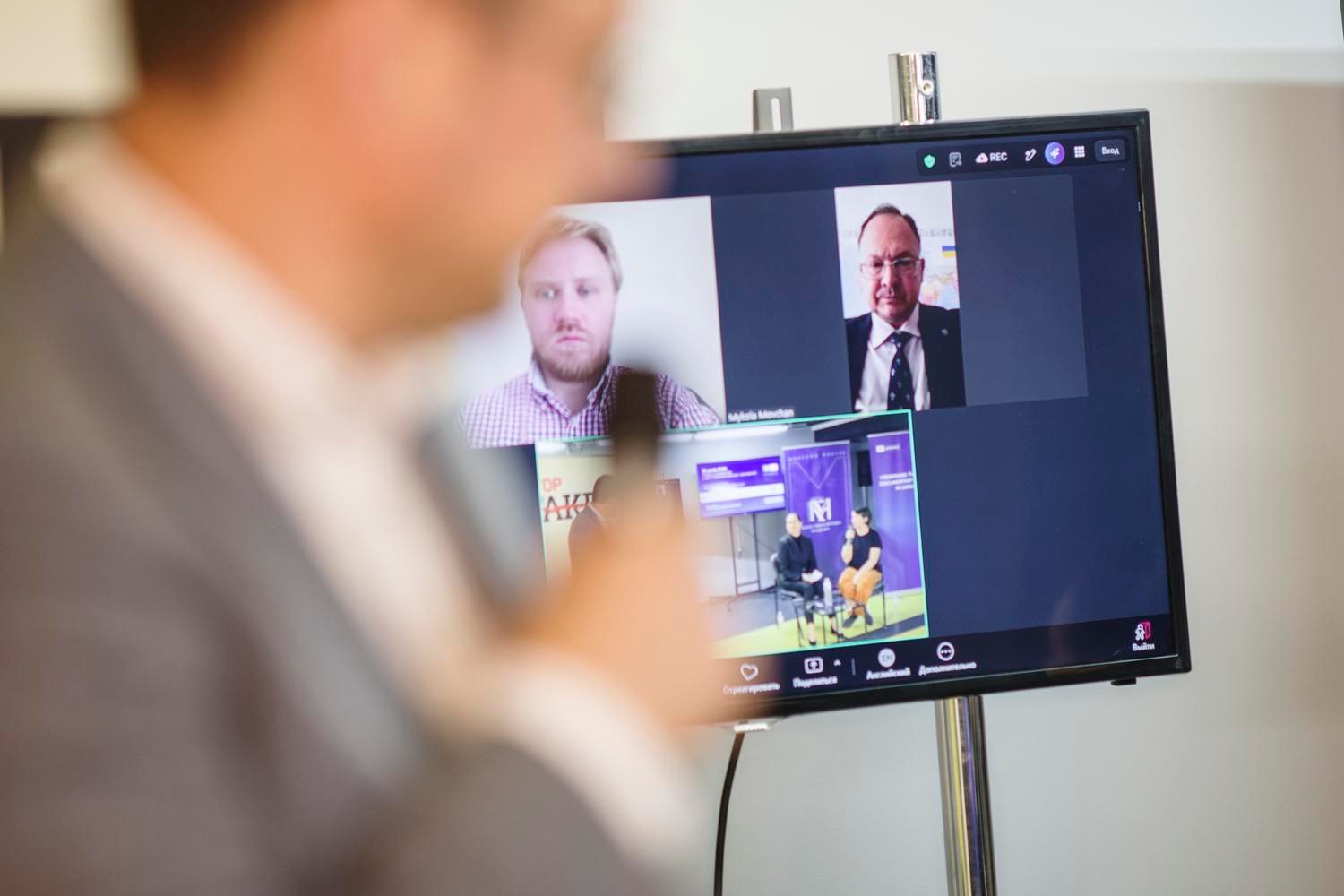
Freedom of expression is under attack – journalists’ work and access to information during war. Participants in two panel discussions during the conference spoke about the dangers associated with the profession that journalists face every day. Russia is systematically persecuting media professionals, and working in the field poses a direct risk to their lives. Other topics included the impact of disinformation, fake news, and propaganda; the availability of public information in the digital space; open data and AI model training; and the protection of personal data. The discussions were moderated by Oleksandr Burmahin, a Member of the National Council.
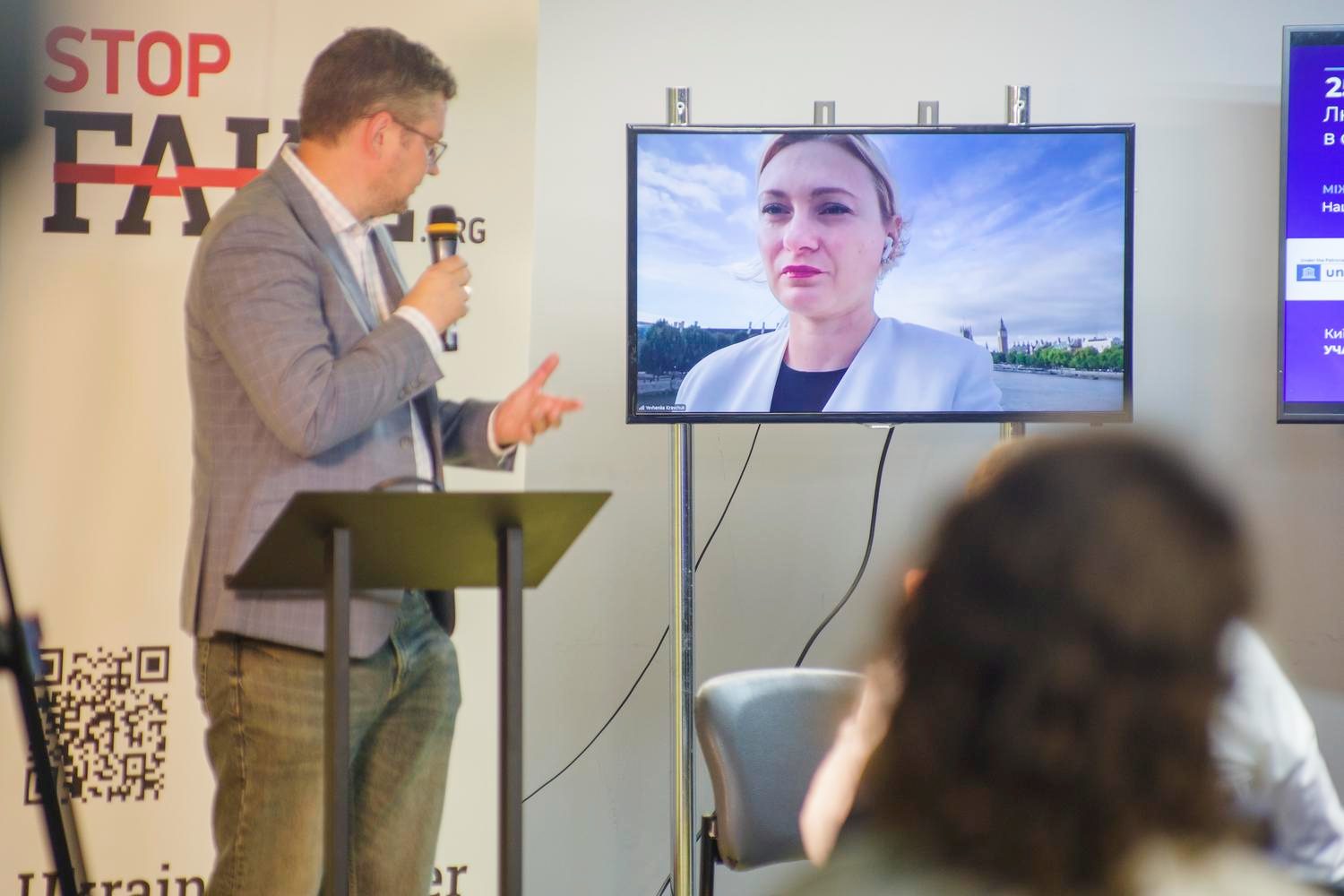
Yevheniia Kravchuk, a Member of Parliament and a Member of the IFAP Information Accessibility Working Group, shared that the world now recognizes that information war has become a “multiplier for any conflict,” since it is cheaper to wage than actual war. The Temporary Investigative Commission on Russia’s Crimes Against Journalists, which she heads, has already documented over a thousand of such incidents. These include not only the physical destruction of people, newsrooms, and infrastructure, but also obstruction of work through blackmail, pressure on relatives, and other means. The commission is currently preparing evidence to ensure that the perpetrators are punished.
“Punishment must be inevitable in international forums,” emphasized Yevheniia Kravchuk.
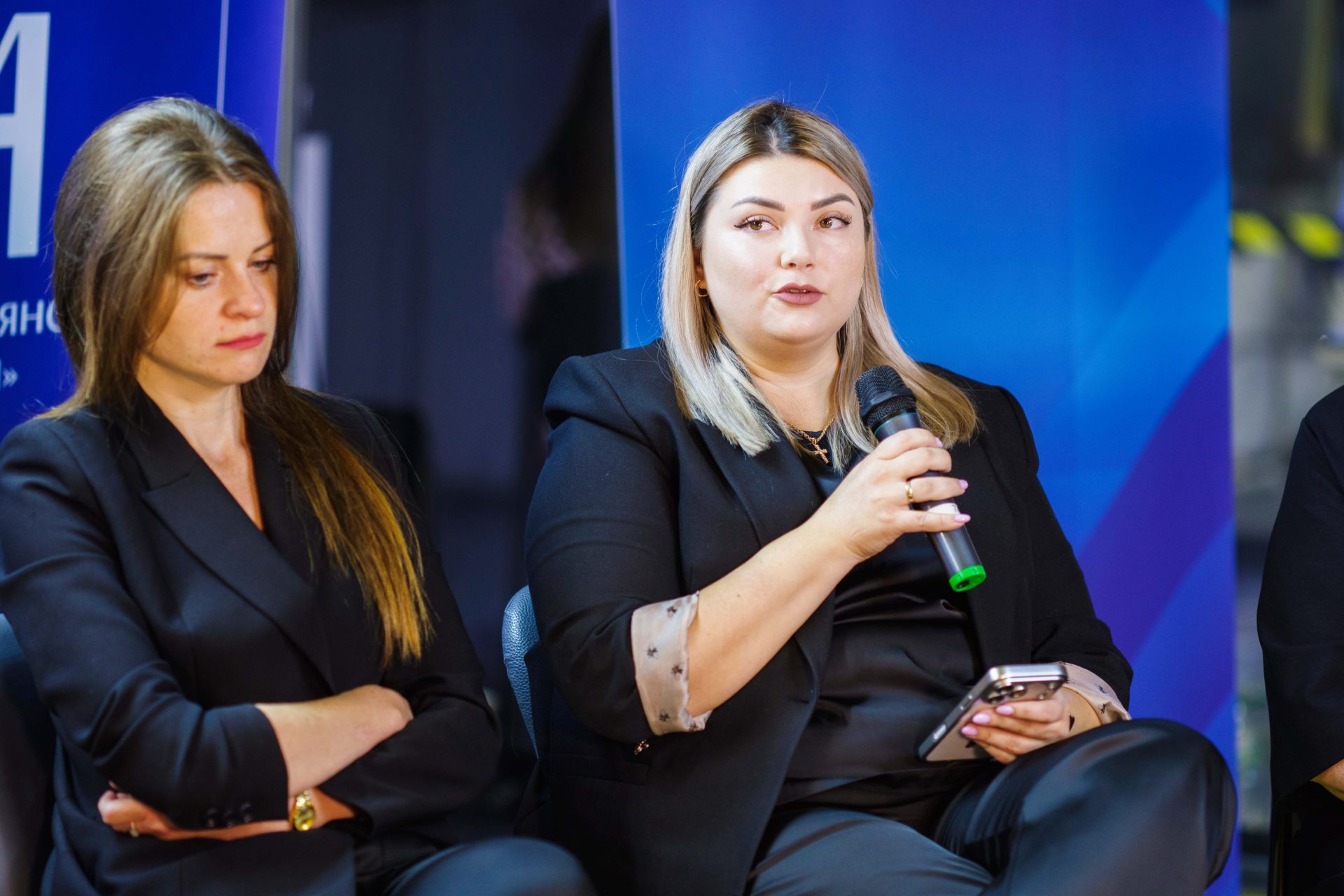
Alina Alieksieieva, Deputy Director of the Center for Countering Disinformation of the National Security and Defense Council of Ukraine, explained that Russian propaganda has evolved over the years. It has become more sophisticated, “more professional,” and is now doing everything it can to turn existing divisions within Ukrainian society (for example, regarding language, migration, and political preferences) into lines of fracture – in order to weaken the country’s defence.
Guilherme Canela, Director for Division for Digital Inclusion and Policies and Digital Transformation and Secretary of the IFAP at UNESCO, drew attention to the uneven development of AI. A study conducted by the UN Independent International Scientific Panel found that computing power, data, technology, and expertise are concentrated primarily in a few countries (the U.S., China) as well as in the private sector. This creates a gap in scientific, technological, and managerial capacity. The group’s conclusion is this: artificial intelligence will not ensure equal opportunities. Those who already have the relevant institutions, skills, and data will reap the benefits. With this in mind, “we must foster opportunities, mitigate risks and, when harm occurs, we need to ensure accountability,” Mr Сanela emphasized. A knowledge society, he said, cannot exist if a significant portion of humanity remains invisible in the technologies that produce and disseminate knowledge. He stressed that even in the time of rapid technological advancement, human dignity and human rights cannot be compromised.
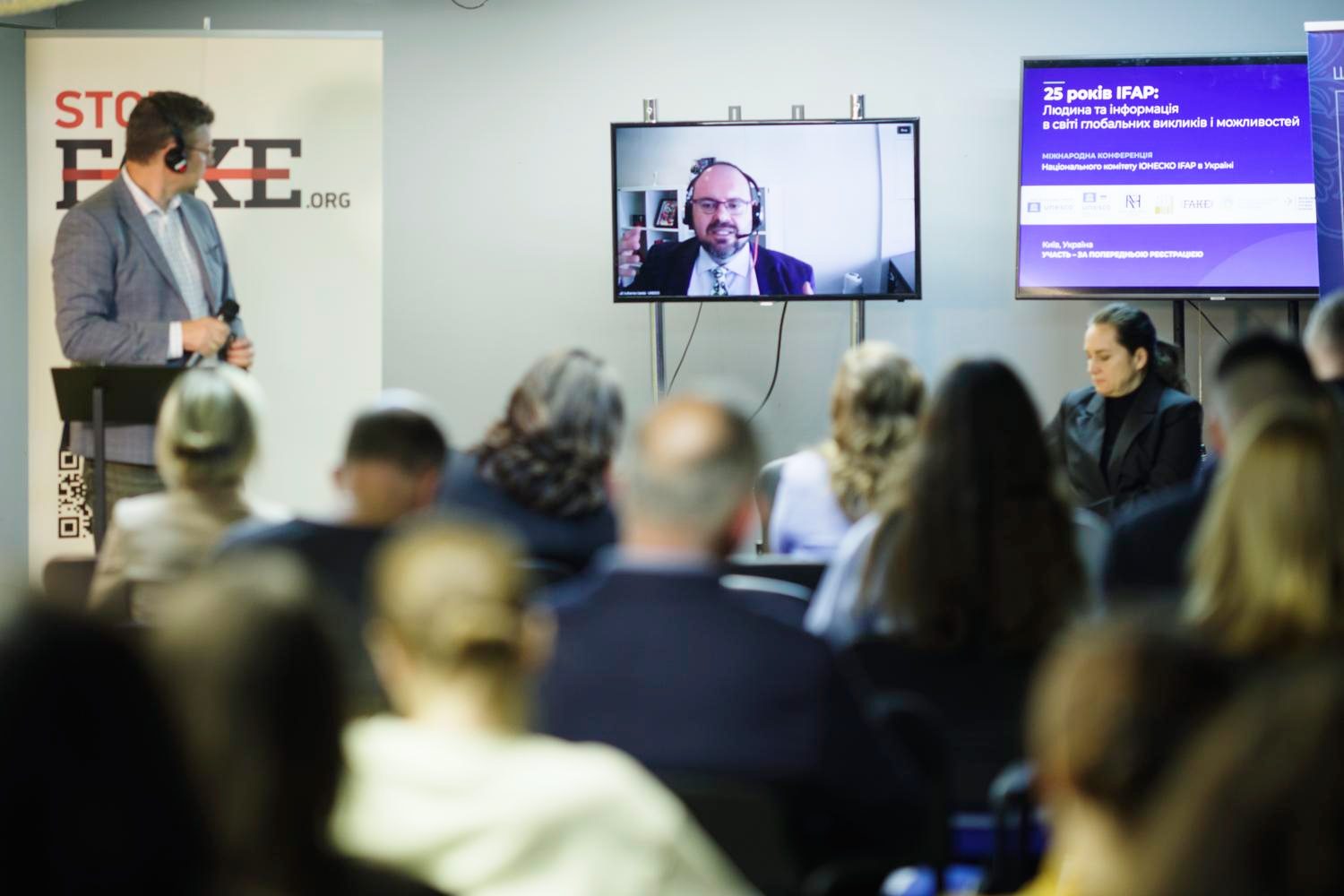
A significant portion of the discussion was concentrated on the use of artificial intelligence. The purpose for which it is used – and how it is used – ultimately shapes how we perceive our world. Today, AI is actively used to create disinformation, and it has also made disinformation much more accessible.
Dariia Opryshko, an expert at the NGO “Human Rights Platform” and a Member of the IFAP Information Accessibility Working Group, shared her research, which shows that chatbot responses are influenced by the language and words a person uses in their query. For example, if the query is in Russian or includes the word “khokhlatsky” or similar terms, AI may generate responses that reflect or replicate narratives favorable to the aggressor state’s position. Igor Rozkladai, Deputy Director at the Center for Democracy and Rule of Law and a Member of the IFAP Information for Development Working Group, noted that the careless dissemination of inaccurate data “poisons” language models, which then spread unreliable information to the world. Therefore, verifying AI-generated responses remains critically important.
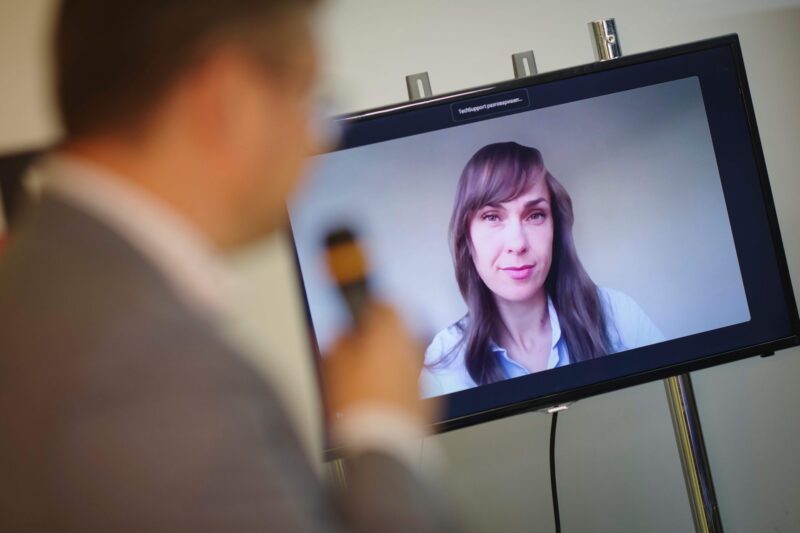
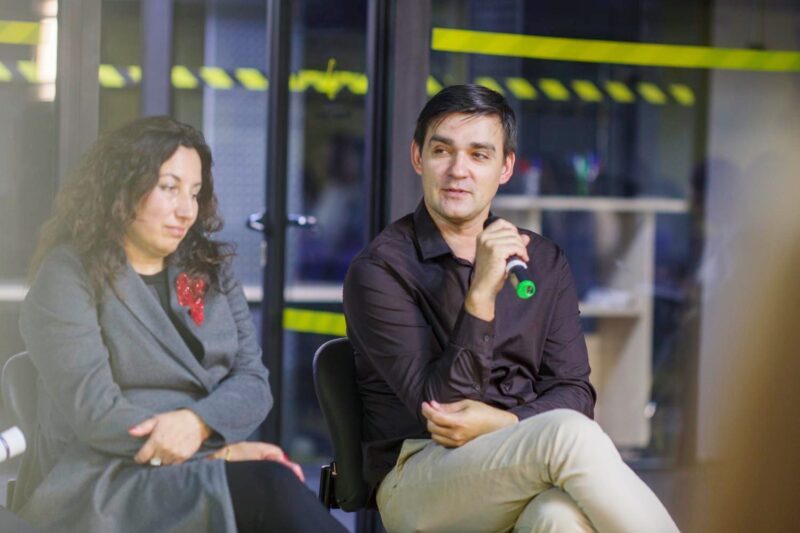
In addition, Nadiia Babynska, founder of the open data initiative OpenUp Ukraine, emphasized the importance of Ukrainian language representation in AI models, including global ones. This will help train them more effectively using Ukrainian-language materials and enable them to understand the Ukrainian context. Open data from official public sources has an important role to play. Currently, the State Archives has pledged to provide approximately 10 TB of data for training a Ukrainian AI model. More information and data in Ukrainian within AI models will ultimately help reduce technological limitations for working in our language. It will help avoid the “token tax on language.”
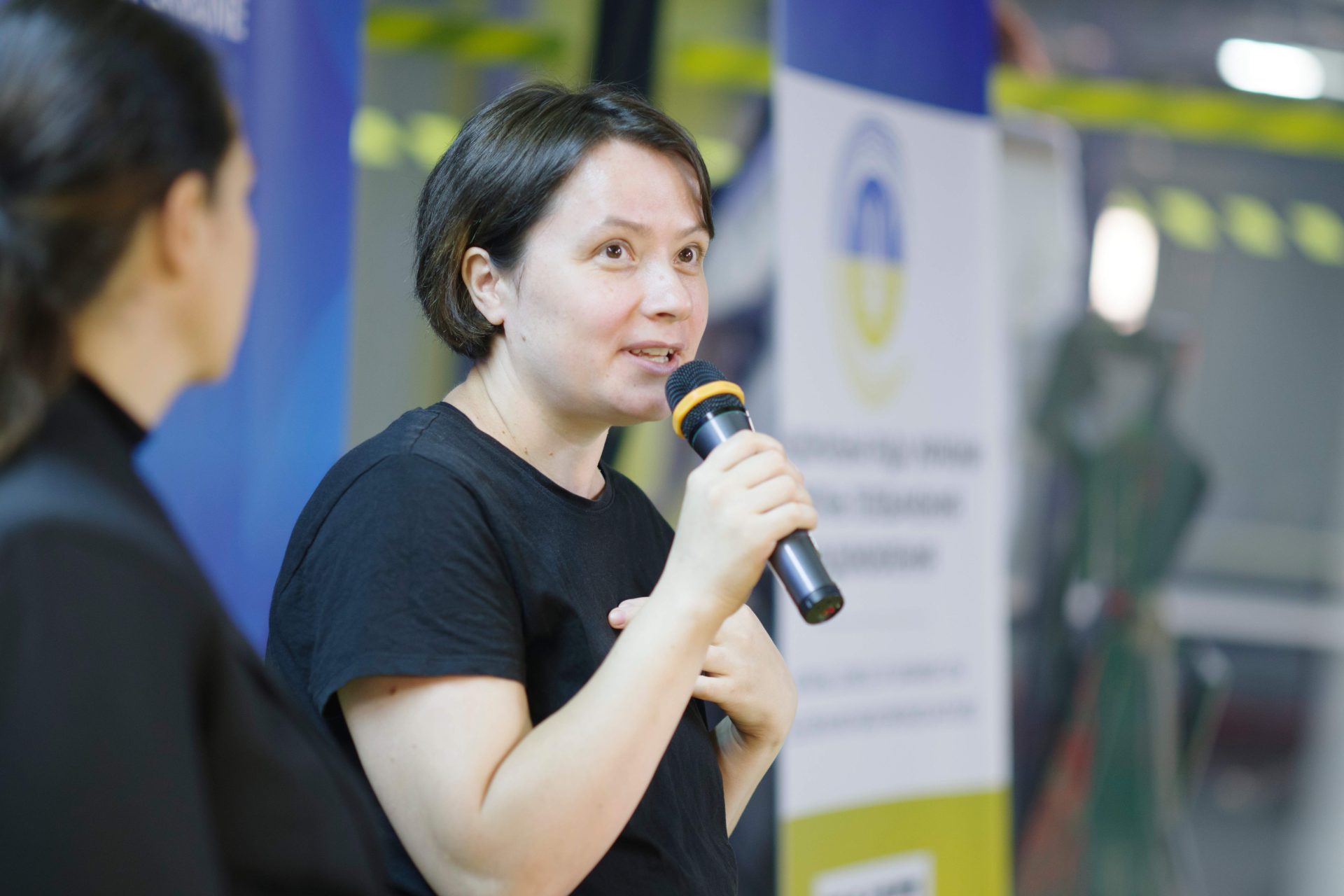
Ukraine is also actively implementing AI technologies and developing its own language model, Siaivo. Currently, about 14 recommendations have been developed regarding the ethical and safe use of artificial intelligence in various fields. One of the main challenges for our country at present is the need to strike a balance so that legislation does not hinder the development of technologies while still taking national security concerns into account.
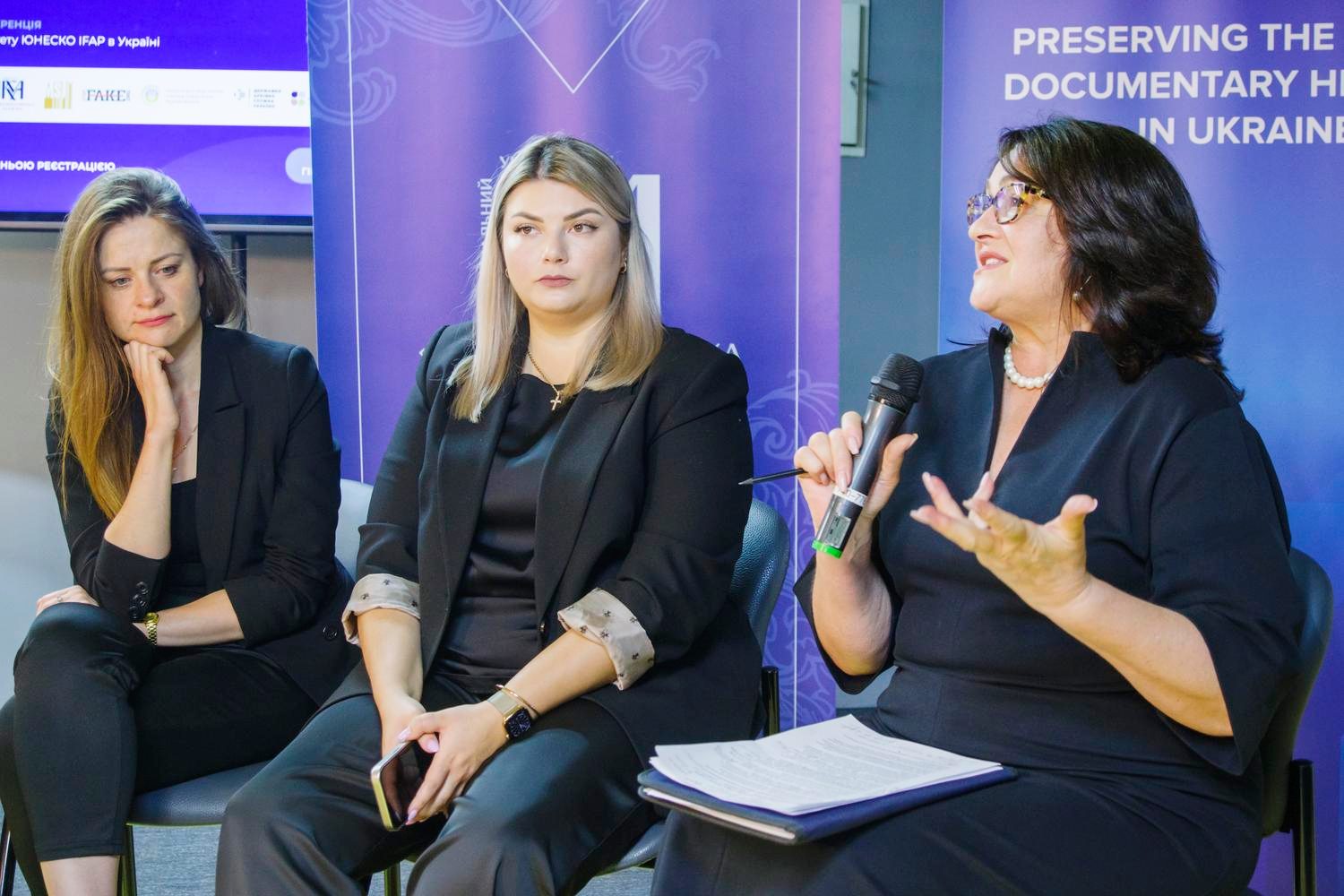
A separate panel at the conference addressed the topic of documentary heritage and its value for preserving historical memory. This issue is overseen by the National Committee of UNESCO’s Memory of the World Programme, which is part of the IFAP National Committee of Ukraine. This part of the discussion was moderated by Tetiana Shevchenko, Head of the National Committee of UNESCO’s Memory of the World Programme and First Deputy Chair of the State Archival Service of Ukraine.
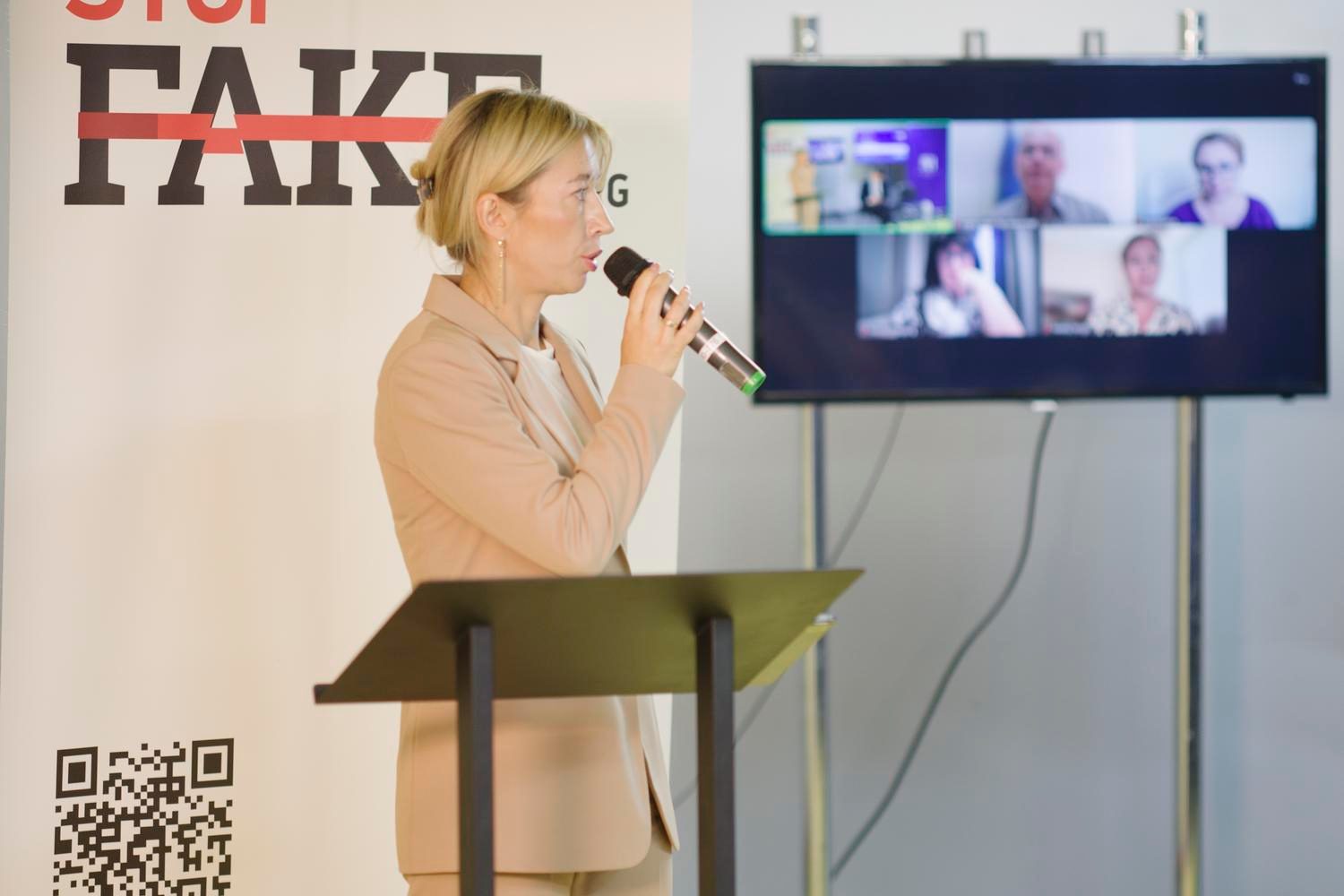
The war has heightened the need to preserve archives and documentary heritage, while the digital age has made it necessary to make them more accessible and visible to citizens. Digitization already makes it possible to study documents remotely, but it requires adequate financial and technical support as well as the development of opportunities for reusing information. According to Anatolii Khromov, Chair of the State Archival Service of Ukraine, accessibility to historical information is considered a quality-of-life criterion under European standards.
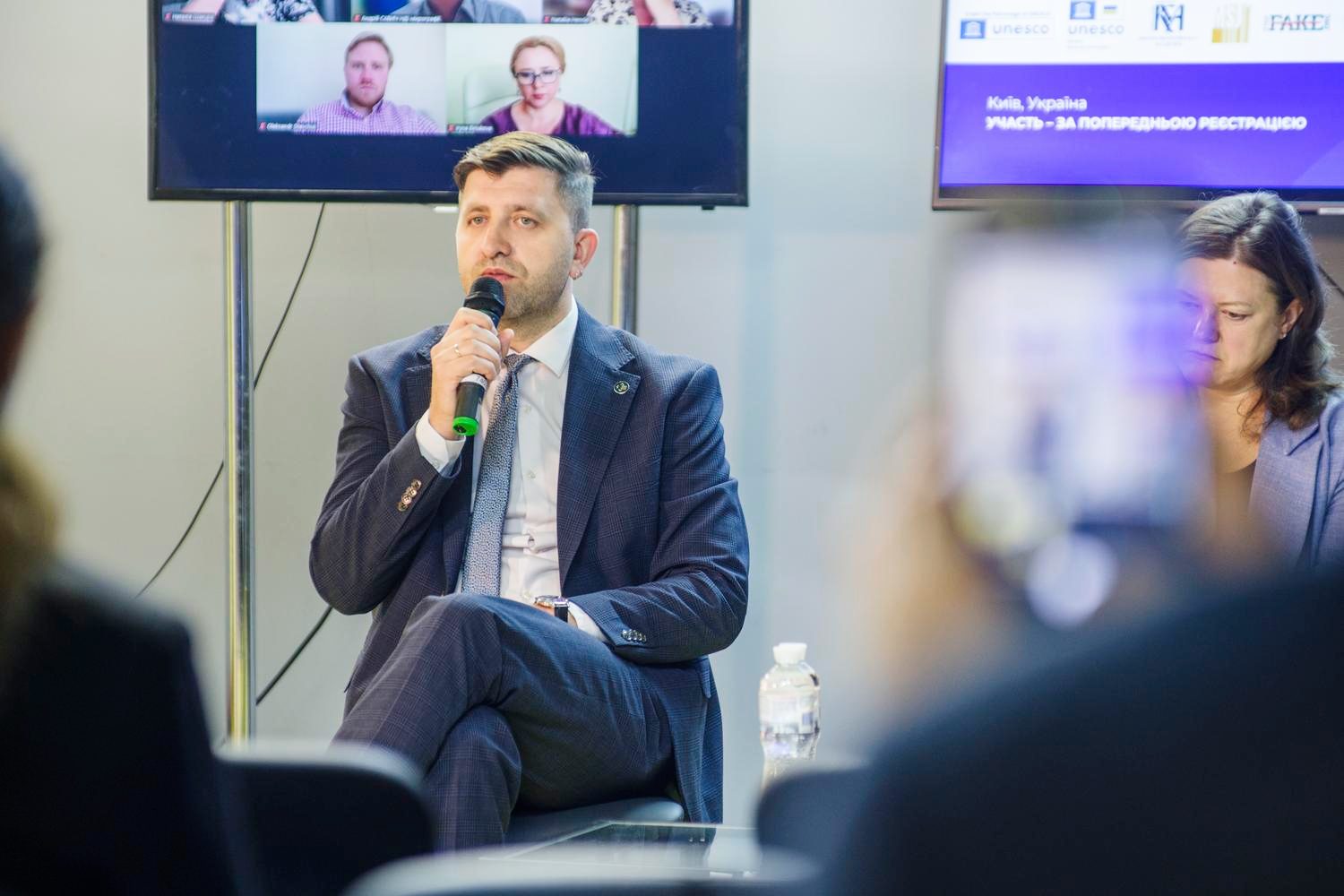
At the same time, Liliia Oleksiuk, Chair of the All-Ukrainian Association “Information Security and Information Technology” and a Member of the IFAP Information Preservation Working Group, emphasized the rapid pace of technological change. Algorithms and standards become obsolete and evolve to a new level every 5 to 7 years. Today, for example, it is extremely difficult to view videotapes or floppy disks due to the lack of appropriate devices. Therefore, the format for preserving documentary heritage must also be regularly updated to ensure its accessibility.
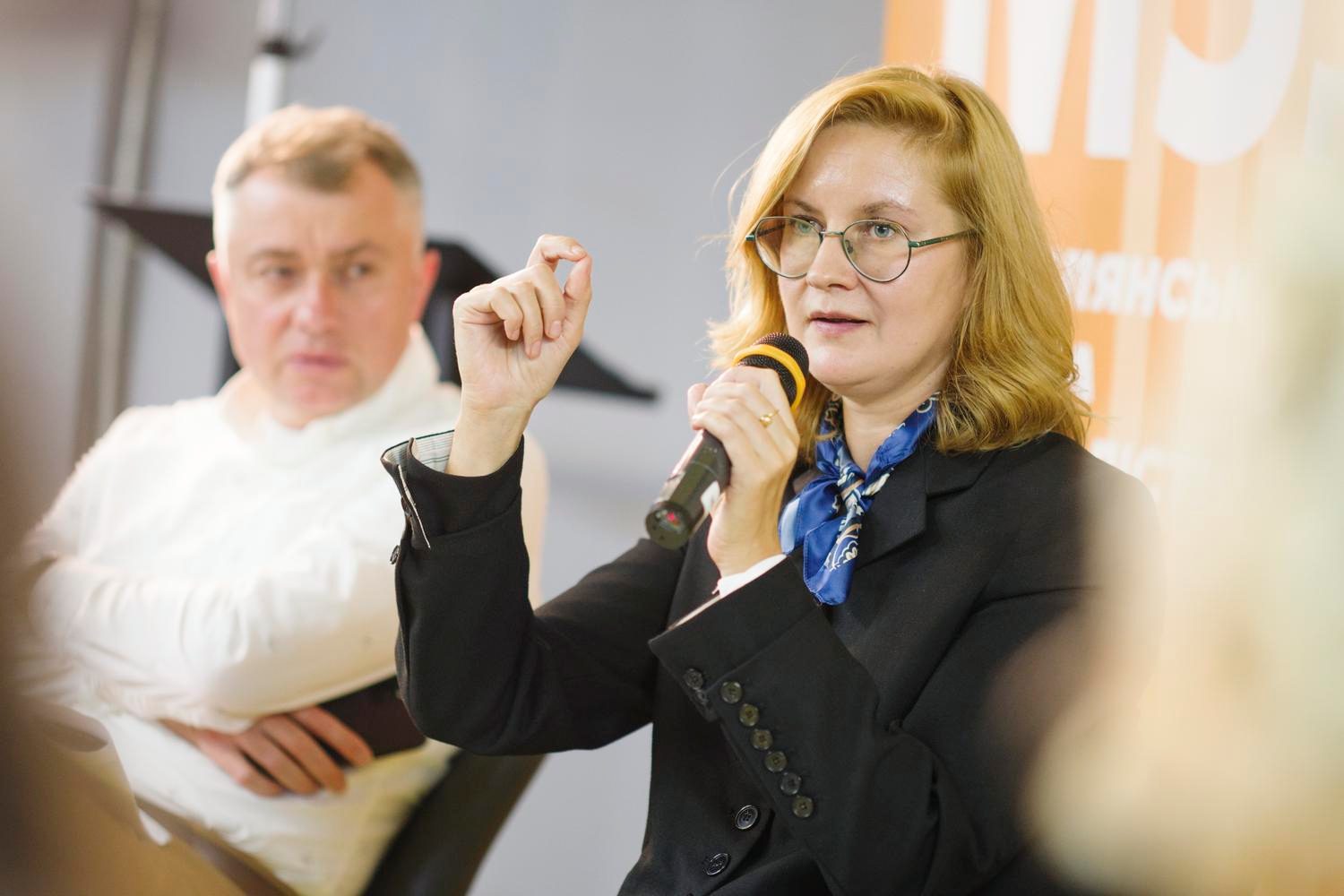
A round table “MIL in the Age of AI: Ethical Challenges and Ukraine’s Information Resilience amid Protracted War” was held as part of the conference. It was moderated by Viktoriia Romaniuk, Director of the Mohyla School of Journalism of the National University of Kyiv Mohyla Academy and Chair of the IFAP Information Ethics Working Group. Educators, legal experts, and representatives of civil society and the government discussed what the state’s future strategy on media literacy should look like and how to work with audiences most vulnerable to propaganda – teenagers and older adults. Participants noted the importance of integrating media literacy into the educational process, continuously improving the skills of media professionals – since they are the first to convey information to the public – and the need to involve the business sector in media literacy initiatives. An application has now been submitted to establish a UNESCO Chair at the National University of Kyiv Mohyla Academy. If approved, this will make it possible to implement UNESCO’s educational programmes on information and communication into the Ukrainian educational system.
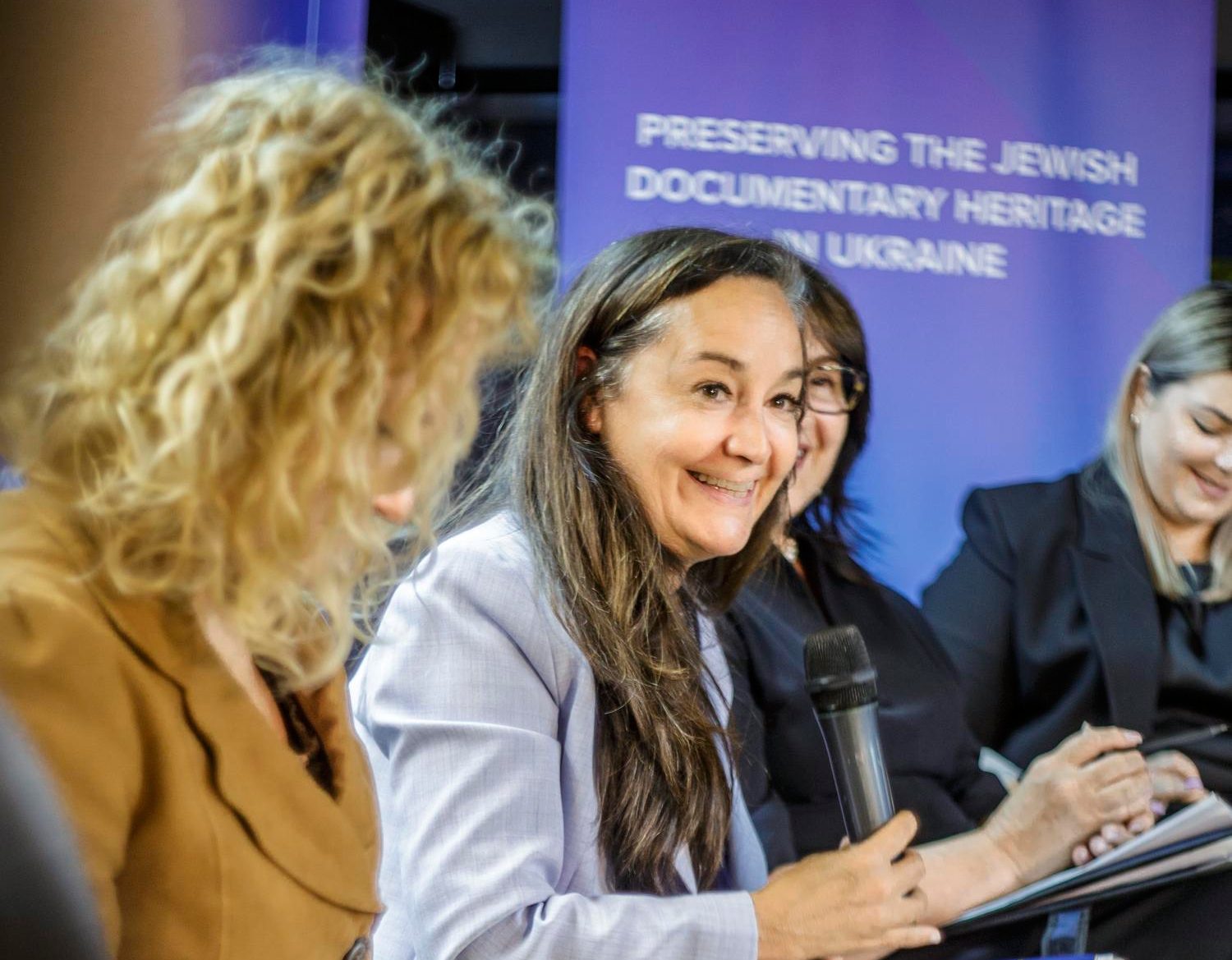
Chiara Dezzi Bardeschi, Head of the UNESCO Antenna in Ukraine, noted that “For UNESCO, media and information literacy goes far beyond the ability to identify false or misleading information. It is about empowering people, especially young people, to develop critical thinking, make informed decisions, and exercise their fundamental rights.”
The information environment is changing very rapidly, so societies need to find the right approach to working responsibly with information: “not to let it control us, but to learn to control it ourselves.” It is also important for people to understand how to use information properly, how it is created, where it comes from, and how to assess its accuracy and reliability. And this is a lifelong learning process.
Ms Bardeschi also emphasized that media and information literacy must be a strategic priority of public policy. According to her, this is a joint effort not only of states and governments but also of the media, journalists, and civil society, all of whom must work together on various initiatives.
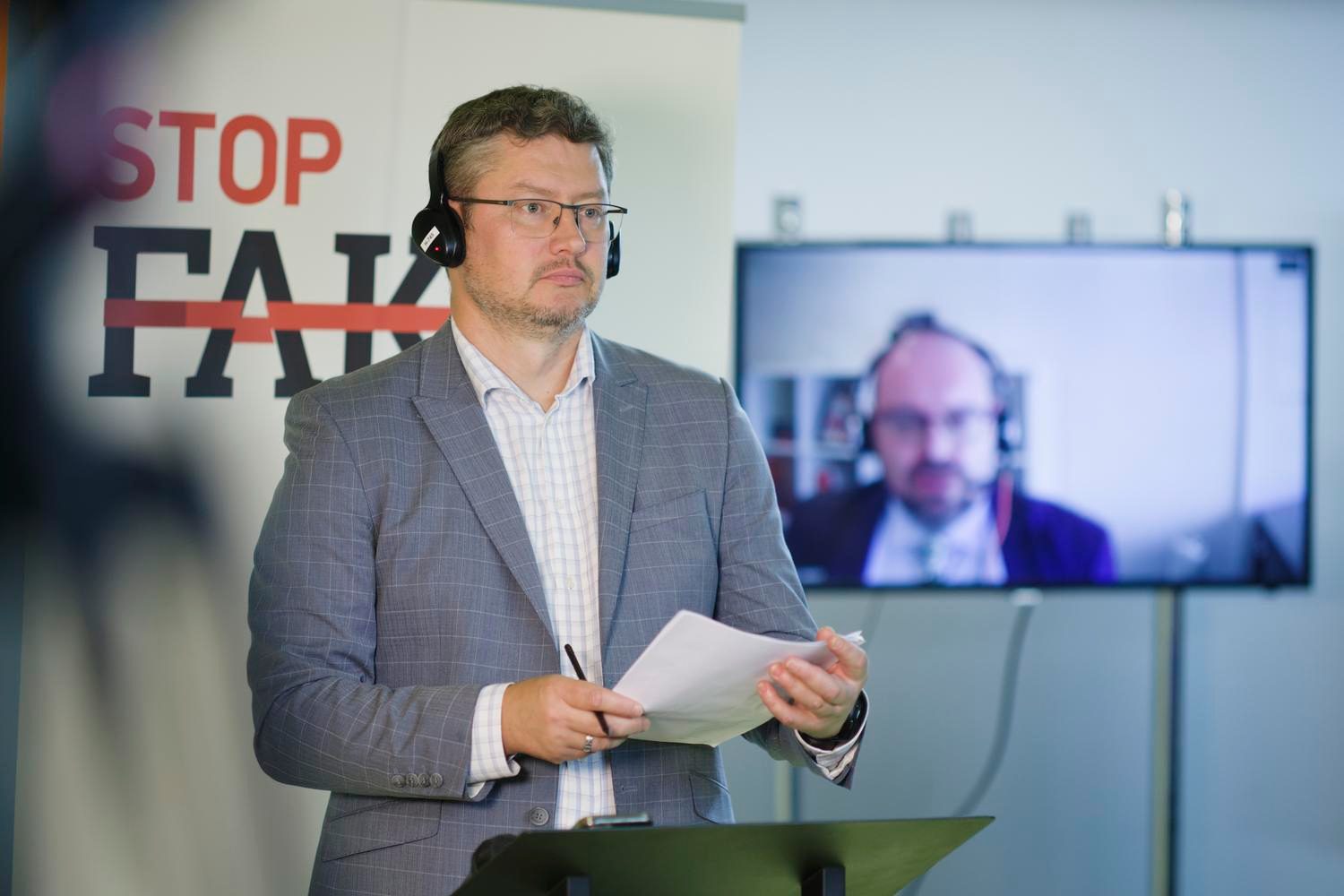
“Media literacy is a matter of our resilience and national defence… It’s a long-term endeavor, but it can provide answers to many challenges,” said Oleksandr Burmahin. In his view, both AI and media literacy are cross-cutting issues, as they encompass all spheres and segments of society. People must learn about AI as a technology, understand how it works, and discern which tools are beneficial and which are risky.
He noted that the concept of media literacy is still not part of education legislation. Basic principles regarding media literacy must be defined at the legislative level, as it is a “living, constantly evolving field.” Other issues should be addressed in substatutory regulations. Oleksandr Burmahin is also convinced that media literacy education should begin as early as preschool.
To foster an adequate level of media literacy in society amid digital challenges, it is necessary to strengthen interagency cooperation and pool the efforts of various institutions. An important tool for such cooperation could be interagency, cross-platform platforms that enable a comprehensive approach to addressing challenges in the field of media literacy.
The participants agreed that, for Ukrainians today, media literacy encompasses a fairly broad range of skills. It is closely linked to basic digital skills, information literacy, and familiarity with AI technologies. In addition, according to experts, the development of media literacy also requires skills related to an interdisciplinary approach, general erudition and worldview knowledge, the ability to analyse information, emotional intelligence, flexibility, a desire to learn, and more.
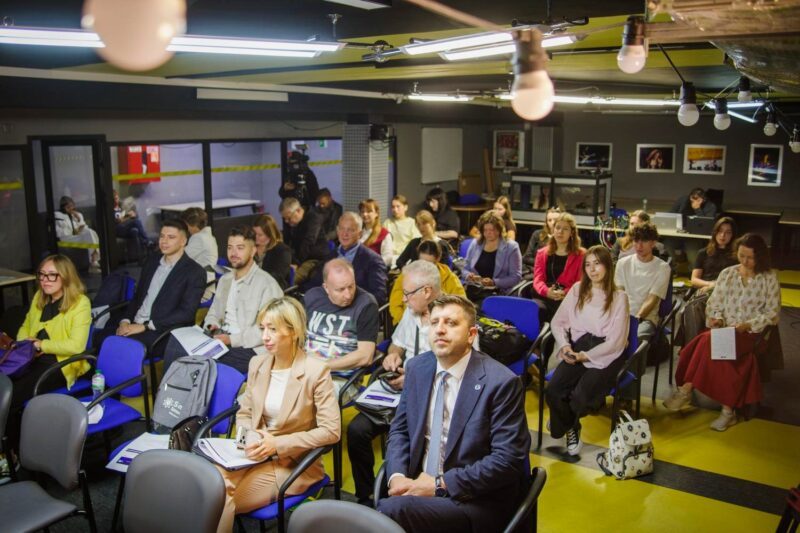
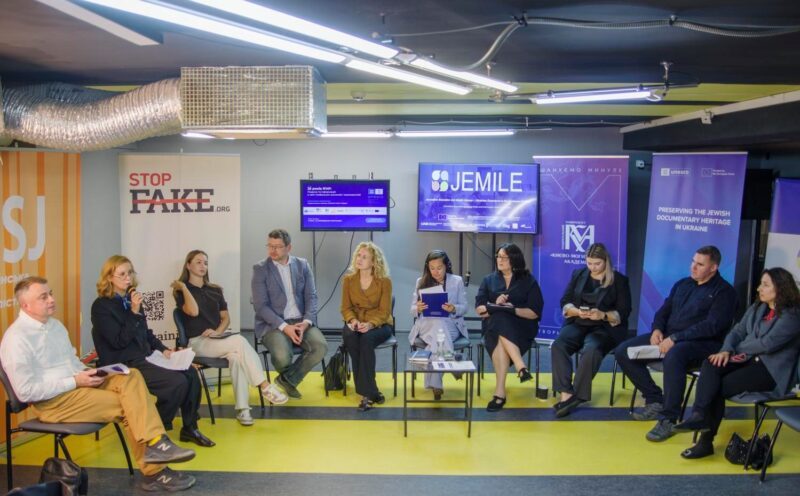
Viktoriia Romaniuk summarized: “We have unique circumstances and the specific needs of our audience. That is precisely why the set of media literacy skills for Ukrainians will differ from those defined in the classical understanding of this concept.”
The conference was organized by the IFAP National Committee of Ukraine in collaboration with the Mohyla School of Journalism of the National University of Kyiv-Mohyla Academy and StopFake.
The conference partners were the National Council of Ukraine on Television and Radio Broadcasting, the State Archival Service of Ukraine, and the Ukrainian National Committee of UNESCO’s Memory of the World Programme.
The event was held under the patronage of UNESCO and the National Commission of Ukraine for UNESCO, with the support of the JEMILE project, UNESCO’s “Preserving Ukraine’s Jewish documentary heritage, honouring collective memory, enhancing knowledge and access to archives while promoting intercultural dialogue” project, and financial support from the European Union.
The UNESCO IFAP has the following mandates: information for development, information literacy, information preservation, information ethics, information accessibility, and multilingualism.

