


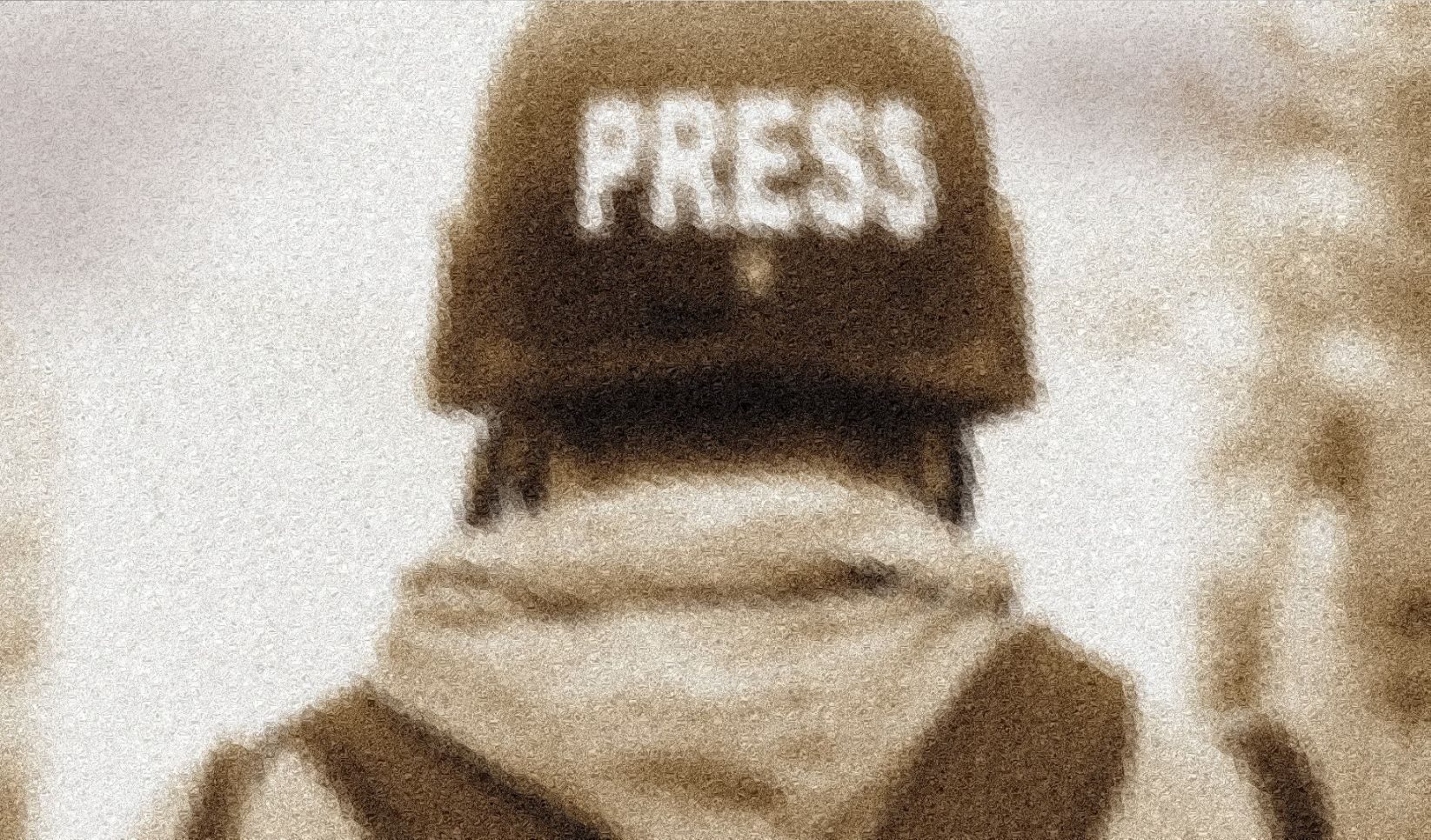
November 2 has been defined as the International Day to End Impunity for Crimes Against Journalists. For Ukraine, this is a particularly painful issue, as Russia is killing journalists, attacking film crews, destroying newsrooms, and holding Ukrainian media workers in captivity. Behind every such crime lies an attempt to hide the truth about the war and deprive people of access to independent information.
The UN General Assembly proclaimed the International Day to End Impunity for Crimes Against Journalists in 2013. The date was chosen in memory of two French journalists killed on November 2 of that year in Mali.
This day draws attention to the killings, abductions, torture, and persecution of journalists, as well as the need to hold the perpetrators accountable. According to UNESCO , 189 journalists were killed worldwide in 2024–2025. Two-thirds of these deaths occurred in areas of armed conflict. At the same time, 86% of the cases involving the murders of journalists documented by the organization since 2006 remain unresolved in court.
For Ukrainian journalists, danger has become part of their daily work. They document the consequences of Russian shelling, work near the front lines, and report on people’s lives amid the war. In the temporarily occupied territories, media workers are persecuted for their professional activities, detained on fabricated charges, and cut off from contact with their families.
Since the beginning of the Russia’s full-scale military invasion of Ukraine, as of October 2026, 143 media workers have been killed in Ukraine, 15 of them while performing their professional duties. Among the dead are also journalists who defended Ukraine as part of the Defense Forces, as well as civilian victims of Russian attacks.
Forty-six Ukrainian and foreign journalists were injured while reporting. As of October 26, 2026, Russia is holding at least 27 Ukrainian civilian media workers captive.
In total, the Institute of Mass Information has documented 989 crimes committed by Russia against journalists and the media since the start of the full-scale war. These include murders, abductions, shelling, threats, damage to newsrooms, cyberattacks, and obstruction of journalistic activities.
One of the most harrowing examples of Russian crimes was the death of Ukrainian journalist Viktoriia Roshchyna while in Russian custody. Her death drew international attention to the plight of Ukrainian media workers whom Russia is unlawfully detaining and depriving of adequate legal protection.
The National Council consistently raises the issue of the safety of Ukrainian journalists at the international level and draws attention to the need to investigate Russia’s crimes against media professionals.
An important aspect of this work is cooperation with UNESCO. Chair of the National Council Olha Herasymiuk heads the National Committee of Ukraine for Cooperation with UNESCO’s International Programme for the Development of Communication (IPDC), which brings together representatives of the regulator, the media community, human rights defenders, and members of parliament.
The main focus of the National Committee’s activities this year has been the protection of journalists in situations of armed conflict and other emergencies. This issue is highly relevant for many countries around the world and is one of the priorities for Ukraine as a member of the UNESCO Executive Board. The Committee coordinates this work with the Verkhovna Rada’s Temporary Investigative Commission, which is investigating crimes against journalists.
As a reminder, the National Committee previously issued a Statement on the protection of journalists and the fight against impunity in the context of Russian aggression. International partners were called upon to demand that Russia release detained media workers, cease their persecution, and comply with international humanitarian law.
Crimes against journalists are an attack on society’s right to know the truth. That is why it is important to push for independent investigations, the release of detained media workers, and accountability for those responsible, as well as to document every case of persecution or violence.
As long as journalists continue to do their jobs, the world will learn the truth. Crimes against them must not be forgotten or go unpunished.

