


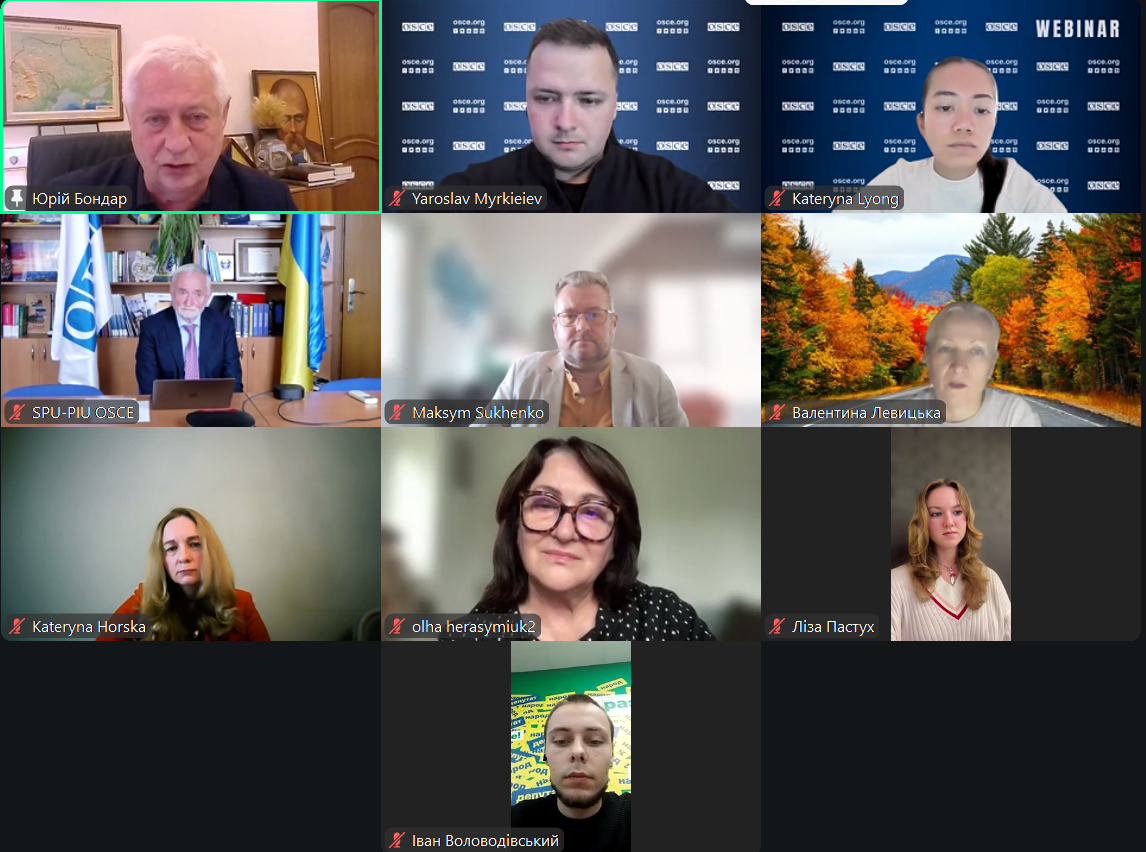
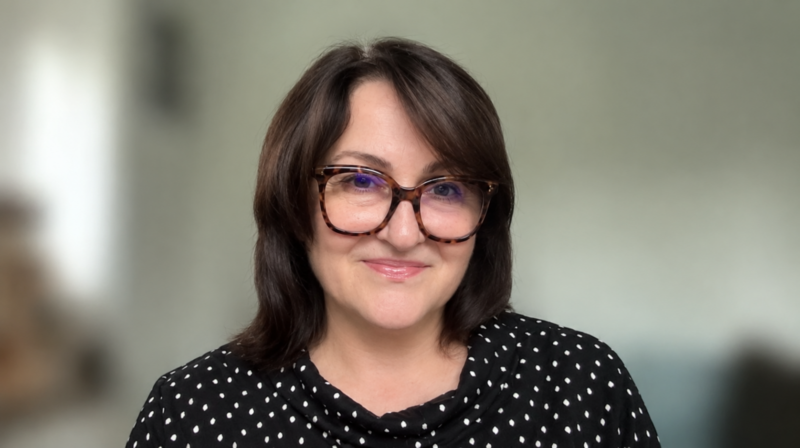
On October 26, in collaboration with the Media Project of the OSCE Support Programme for Ukraine, the National Council, and the Educational and Research Institute of Journalism at Taras Shevchenko National University of Kyiv, a series of media literacy seminars for college students and high school seniors started. Olha Herasymiuk, Chair of the National Council, addressed the participants with a welcoming speech.
The project is launching during Global Media and Information Literacy Week. Opening the seminars, the Special Representative of the OSCE Chairmanship — Project Coordinator in Ukraine, Ambassador Petr Maresh — noted that the seminars are intended to help young people focus a complex information environment where reliable journalism competes for attention with disinformation, manipulation, and misleading claims.
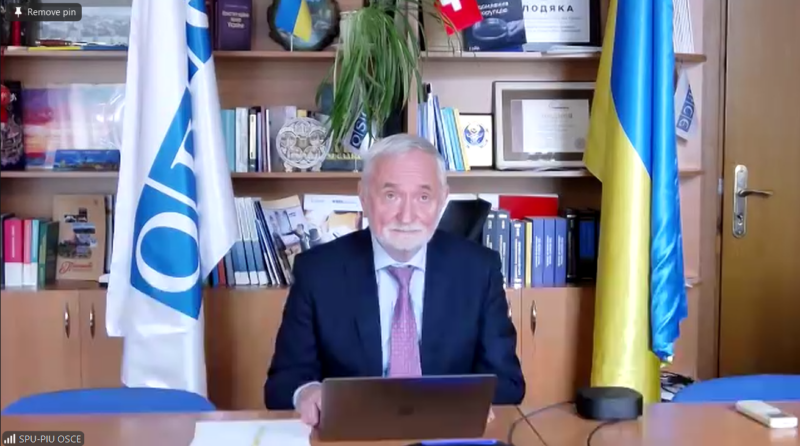
“For the OSCE Support Programme for Ukraine, supporting Ukraine during these challenging times means investing in its people, institutions, and future. We remain committed to working side by side with our Ukrainian partners to expand access to knowledge, foster independent thinking, and promote informed public dialogue,” said Petr Maresh.
Olha Herasymiuk outlined that many factors influence how a person perceives and interacts with information—emotions, personal beliefs, trust in authority figures, and so on. Since a significant percentage of true information is used for manipulation, it is extremely important to verify all details and facts, regardless of who reported them. Therefore, responsible journalism is no less important today than it was several decades ago.
“Media literacy is a whole range of diverse knowledge. It is not a single lesson, but an ongoing process. In the context of war, it is not only a matter of personal information security, but also a matter of societal resilience and the ability to resist hostile information influences.”
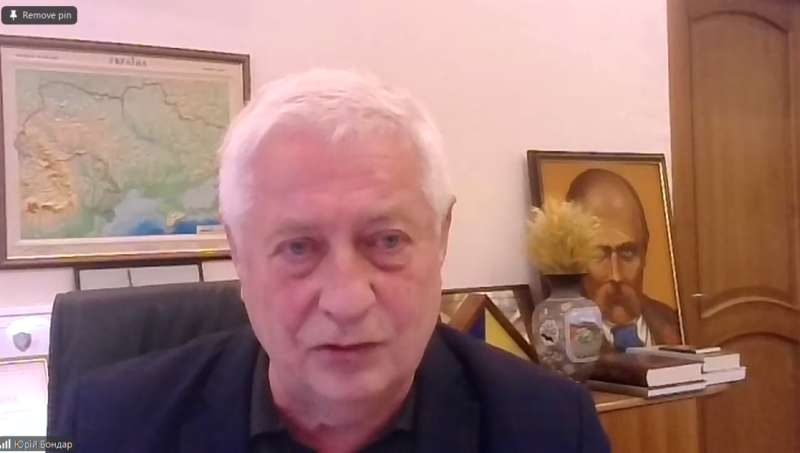
Yurii Bondar, director of the Educational and Research Institute of Journalism at Taras Shevchenko National University of Kyiv, welcomed the representatives of various institutions of higher education in attendance. He expressed his conviction that this collaboration will help us learn together, develop media literacy, and establish principles and responsible media policies in this field.
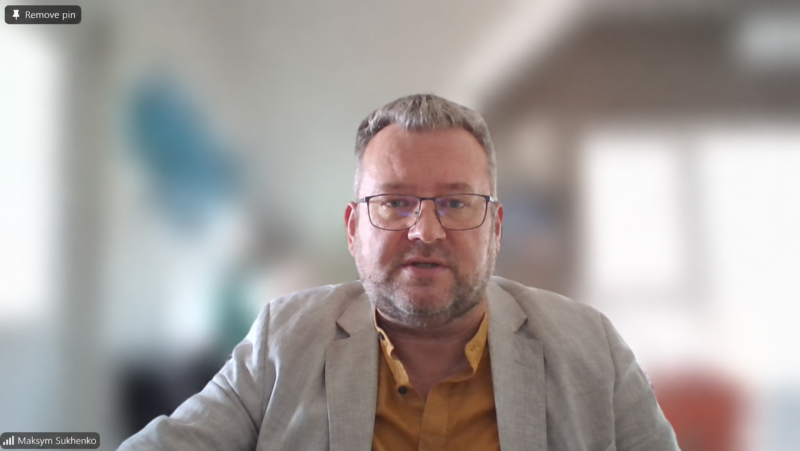
The first seminar, led by Maksym Sukhenko, a journalist and TV host at “1+1 Media,” focused on how to select experts and assess their competence, as well as which experts can be trusted and on what issues.
The online seminars will take place twice a month. They will be led by leading Ukrainian and international experts in media literacy, media professionals, and representatives of government agencies. Through practical exercises and discussions, participants will learn to verify information and sources, recognize disinformation and manipulation, and critically evaluate media content—including identifying the influence of gender stereotypes and other biases.

