


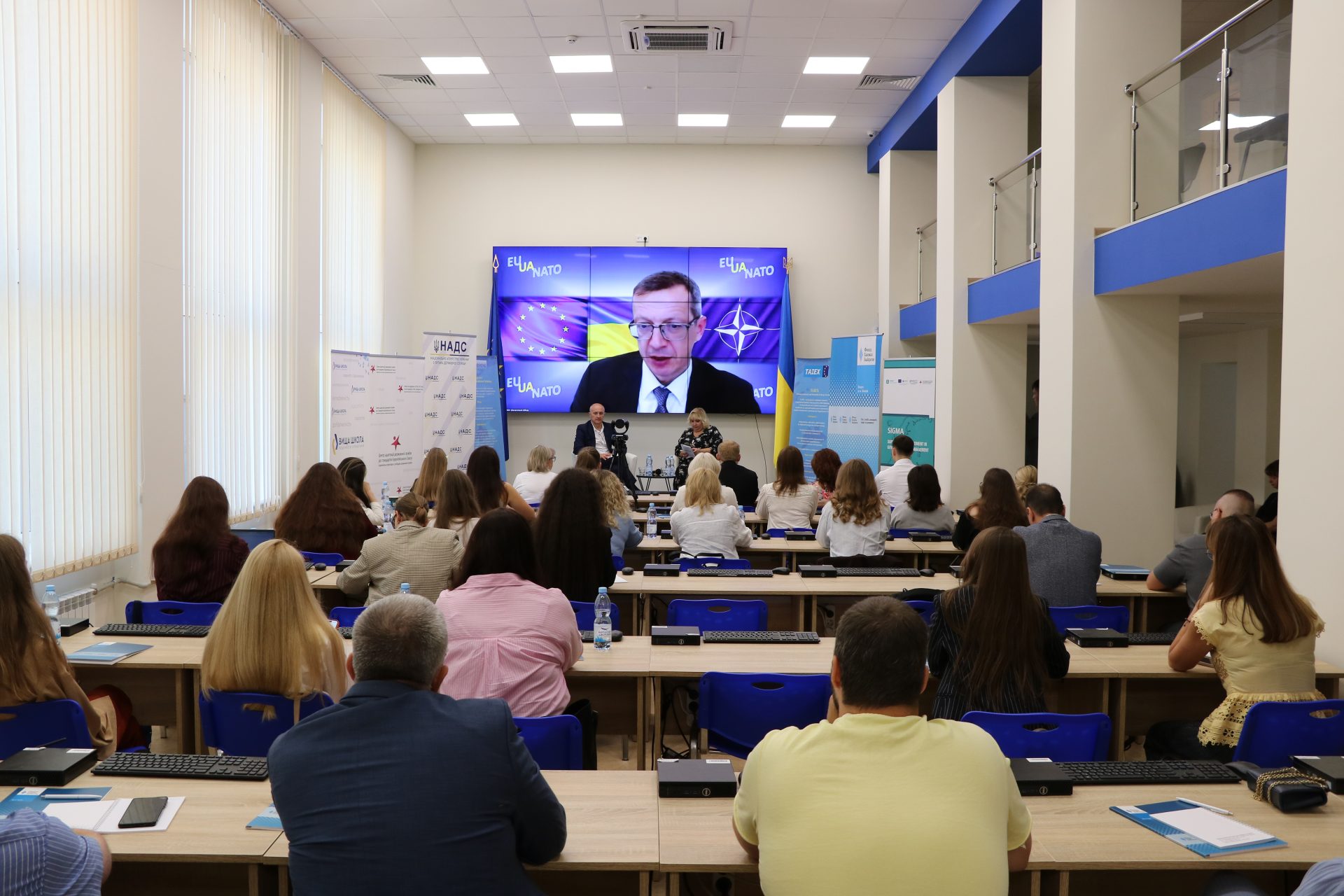
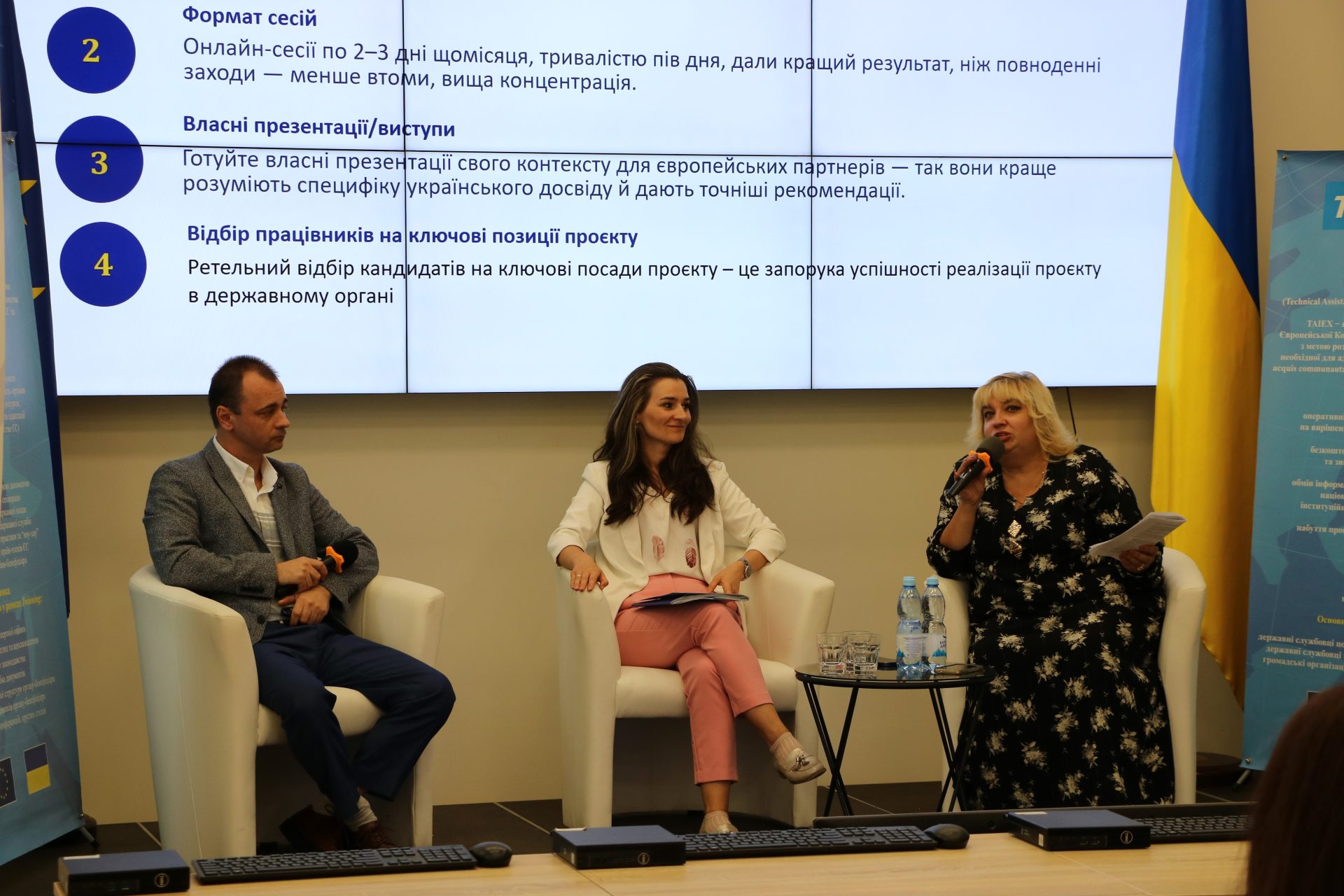
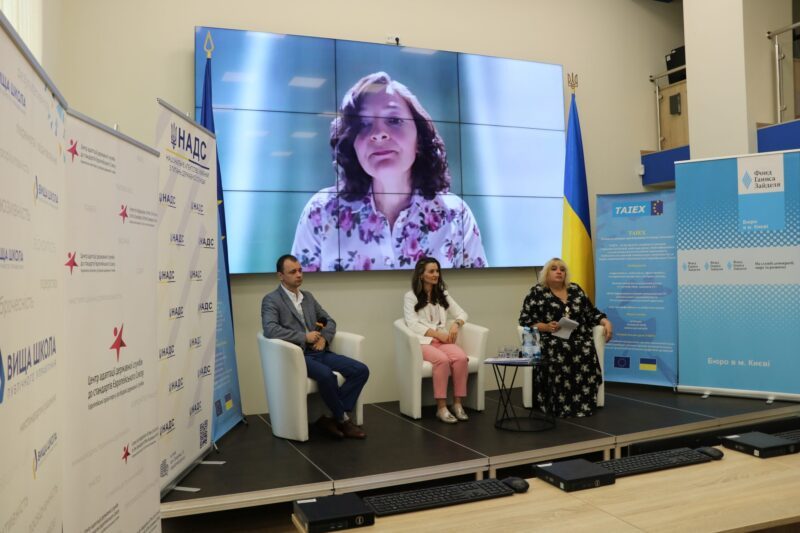
On September 11, during the Workshop “Using Twinning and TAIEX Tools to Implement Ukraine’s European Integration Priorities,” representatives of Ukrainian institutions and European partners discussed how EU tools can help bring about practical institutional and legislative changes. Dmytro Kardash, Deputy Director of the Directorate and Head of the Strategic Development and Project Management Division at the National Council, shared his experience with implementing the Twinning project in the field of media regulation.
He presented the EU Twinning project “Reforming Audiovisual Media Regulation in Ukraine in line with EU Standards and international best practices,” which is being implemented by the National Council. For the Ukrainian media regulator, this has involved ongoing collaboration with European colleagues—ranging from analysing legislation and internal procedures to identifying models for regulating the digital environment.
Preparation procedures to the project began in the early 2022. After Ukraine acquired EU candidate status, harmonizing media legislation with European standards became one of the key areas of European integration. The Twinning project officially launched on January 10, 2025. The National Council’s partners include media regulators from Italy, Germany, France, and Greece.
Experts at the National Council are working in several areas: improving legal and regulatory mechanisms, strengthening institutional capacity, and studying current trends in European media regulation.
Over 45 working sessions have been held since the project began. The work combined expert meetings, study visits to European regulators, and an analysis of how EU regulations are implemented in practice. Topics included the regulation of online platforms, the Digital Services Act (DSA), the Artificial Intelligence Act (AI Act), transparency in media ownership, working with creators of digital content, and the protection of children online.
Since European models need to be adapted to national realities, each topic began with a presentation of the Ukrainian context—the specifics of the media market, legislation, and regulatory practices. On this basis, solutions applicable in Ukraine were developed in collaboration with European experts.
Dmytro Kardash emphasized that the effectiveness of such sessions depends largely on the institution’s own preparation. At the National Council, they identify topics for discussion in advance, review materials, prepare their own presentations, and analyse the recommendations received after the meetings. This allows them to move from a general exchange of experiences to substantive work on current regulatory tasks.
Another practical outcome of the Twinning project is that the European expertise developed is being used in the preparation of proposals for the development of Ukrainian legislation. The recommendations received as part of the project provide the National Council with additional arguments in its dialogue with state institutions regarding the changes necessary to further alignment Ukraine’s media regulation with EU law.
A separate section of the Workshop focused on the experiences of Croatia, Bosnia and Herzegovina, and North Macedonia. Representatives from these countries emphasized that the effectiveness of Twinning and TAIEX begins with a clear understanding of the problem the institution is seeking to solve.
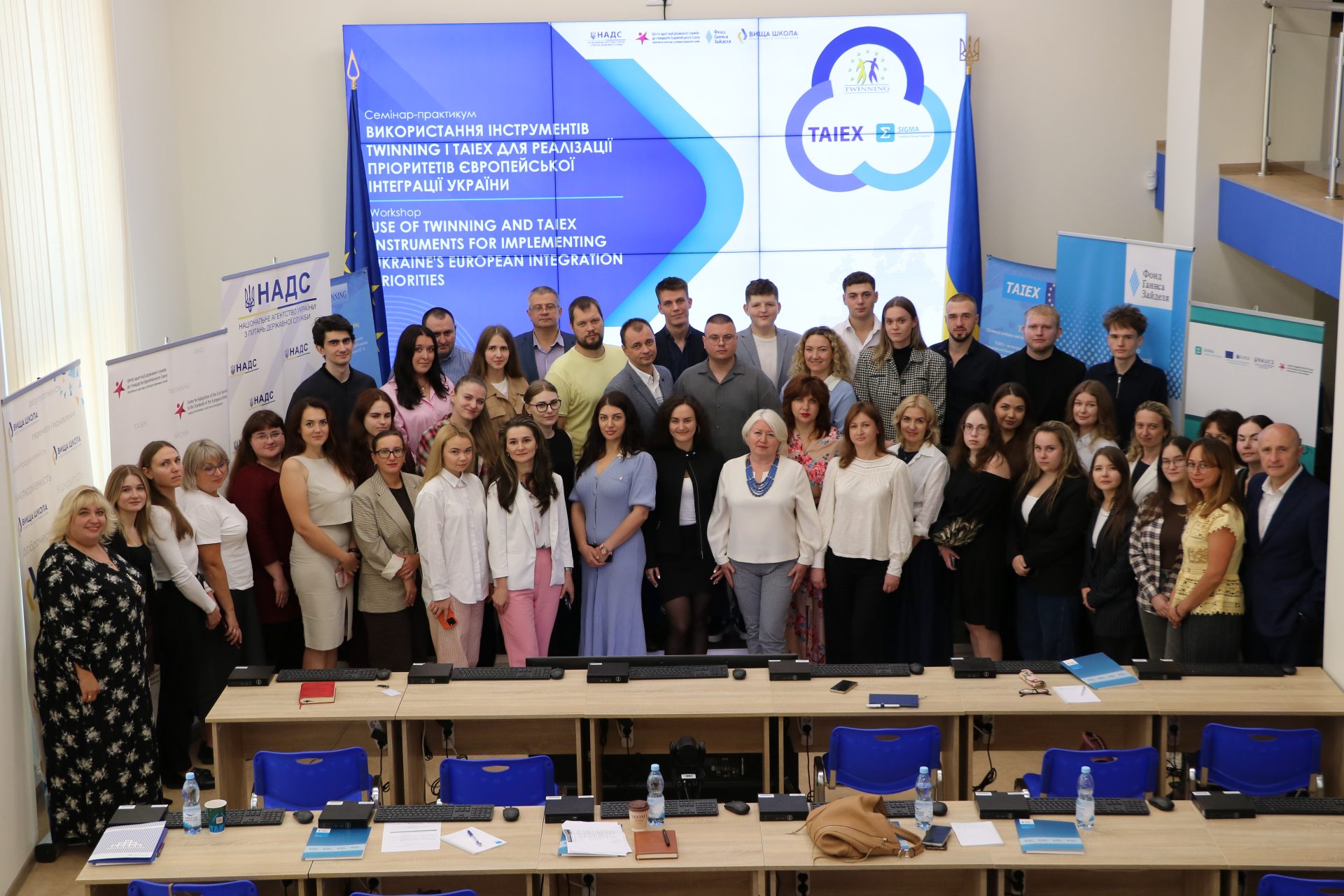
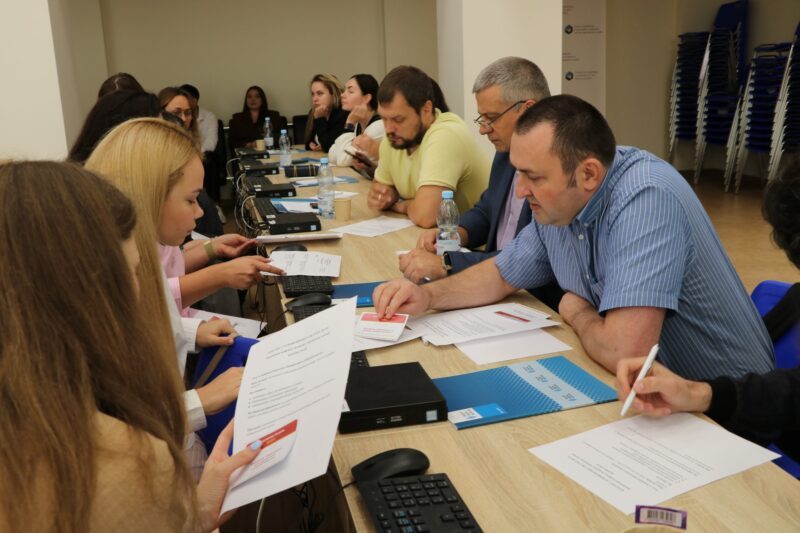
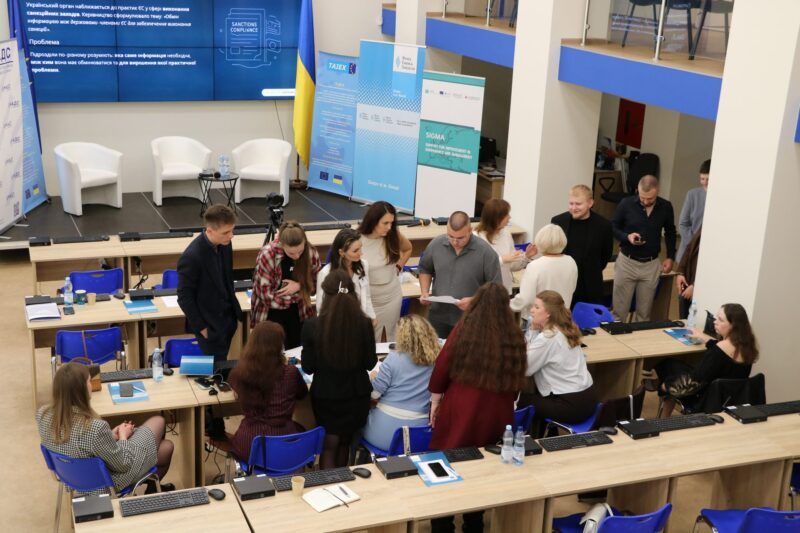
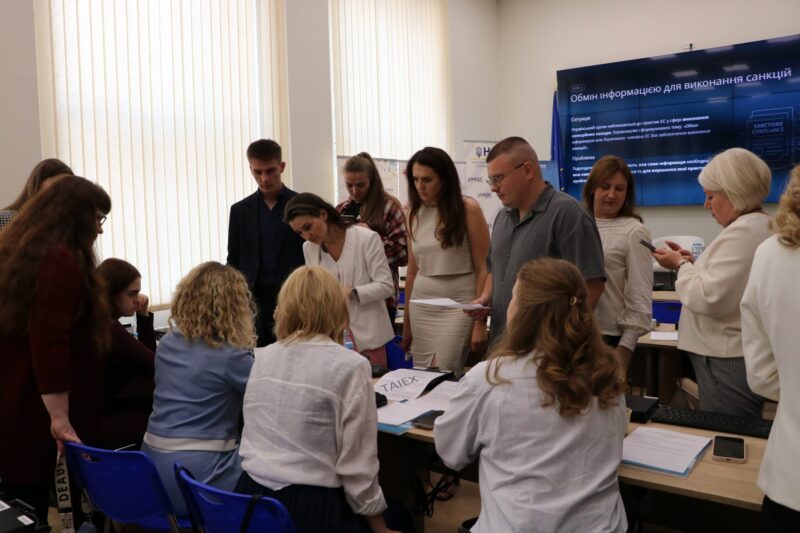
The Workshop concluded with a practical session in the form of a role-playing simulation. Participants worked on practical case studies, represented different positions, identified priorities, and jointly formulated a focused request that could serve as the basis for further engagement of EU expertise.
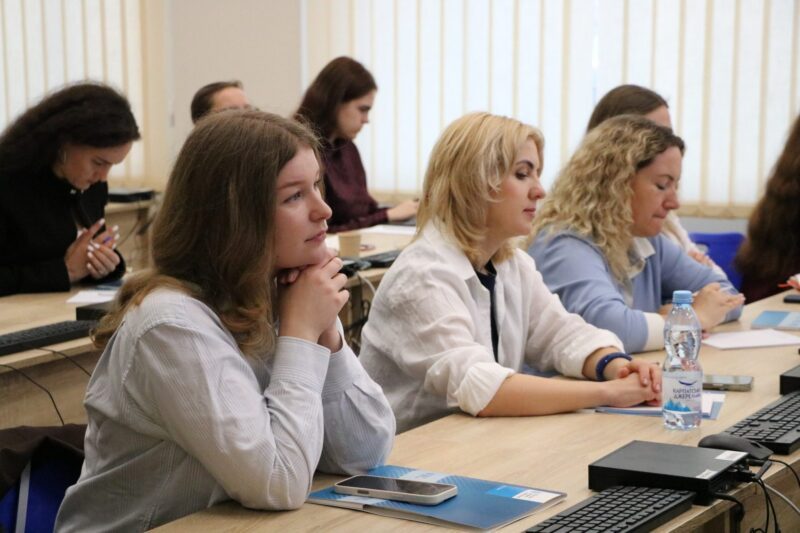
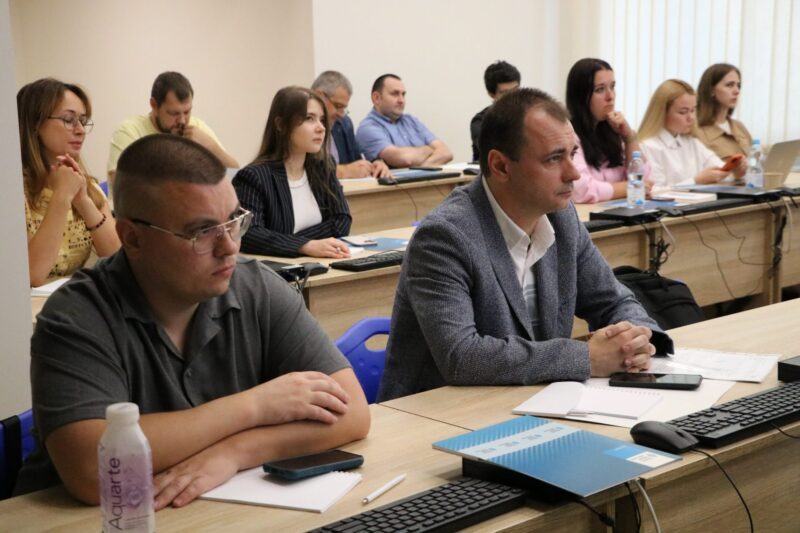
The Workshop was attended by the representatives of government agencies, EU institutions, member states, and candidate countries.
The event was organized by the National Agency of Ukraine on Civil Service, the Center for the Adaptation of the Civil Service to the Standards of the European Union, and the High School of Public Governance, with the support and assistance of the Hanns Seidel Foundation.

