



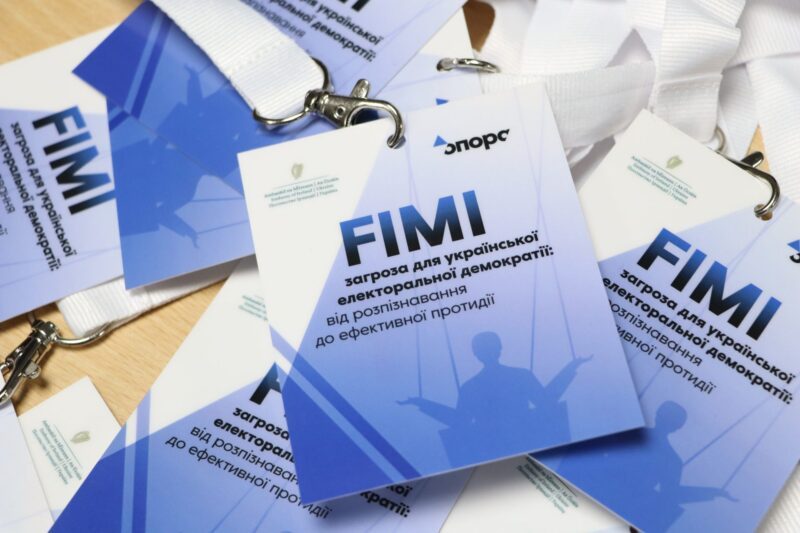
Protecting Ukraine’s information space from foreign manipulation, the risks of interference in upcoming elections, and mechanisms to counter such threats were discussed on November 6 in Kyiv at the forum “FIMI—A Threat to Ukrainian Electoral Democracy: From Detection to Effective Countermeasures,” organized by the OPORA Civil Network. Oleksandr Burmahin, a member of the National Council, participated in the event. He spoke about the media regulator’s practical measures to counter Russian information influence and the need to shift from reacting to threats to preventing them.
In her opening remarks, Orla McBride, Ireland’s Ambassador Extraordinary and Plenipotentiary to Ukraine, noted Ukraine’s progress toward European Union membership and the important role of civil society in democratic transformation.
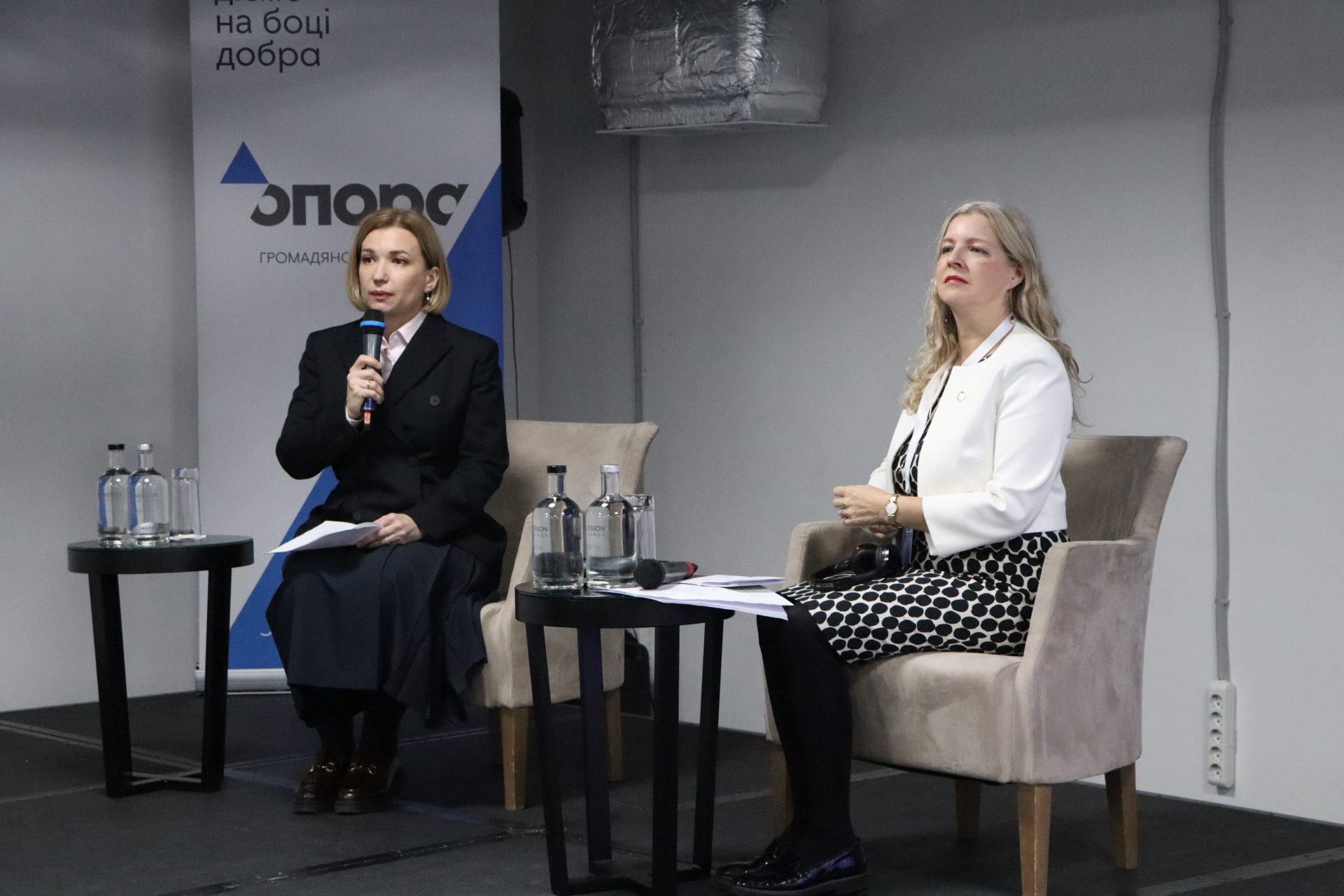
The diplomat also drew attention to new challenges associated with the development of artificial intelligence. Modern technologies make it possible to create convincing but false videos and messages, making it increasingly difficult to detect manipulation. In her view, simply debunking fake news is not enough to counter disinformation. It is important to explain to people who creates and funds these materials, what interests drive their dissemination, and why certain messages can be misleading.
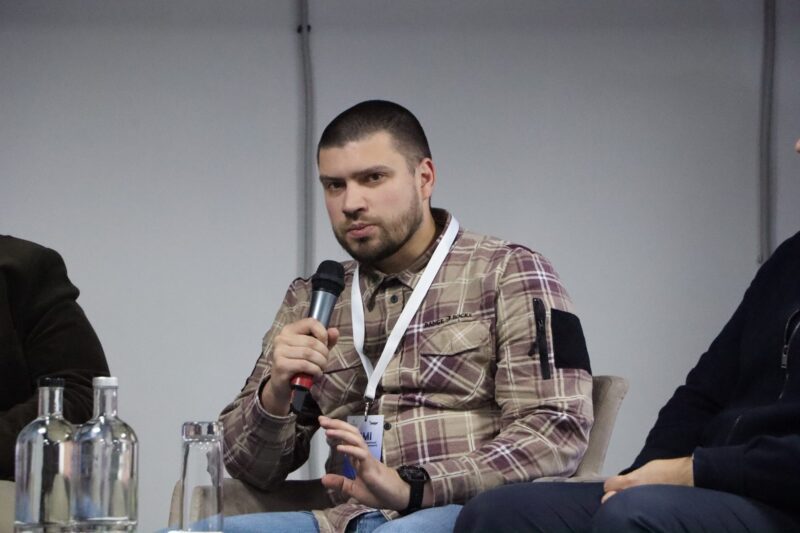
During the first panel discussion, dedicated to practical experience in countering foreign information manipulation and interference (FIMI), Oleksandr Burmahin noted that Russia uses not only social media and digital platforms for its information operations, but also television, radio, and satellite broadcasting. Therefore, countermeasures must cover various channels of information dissemination.
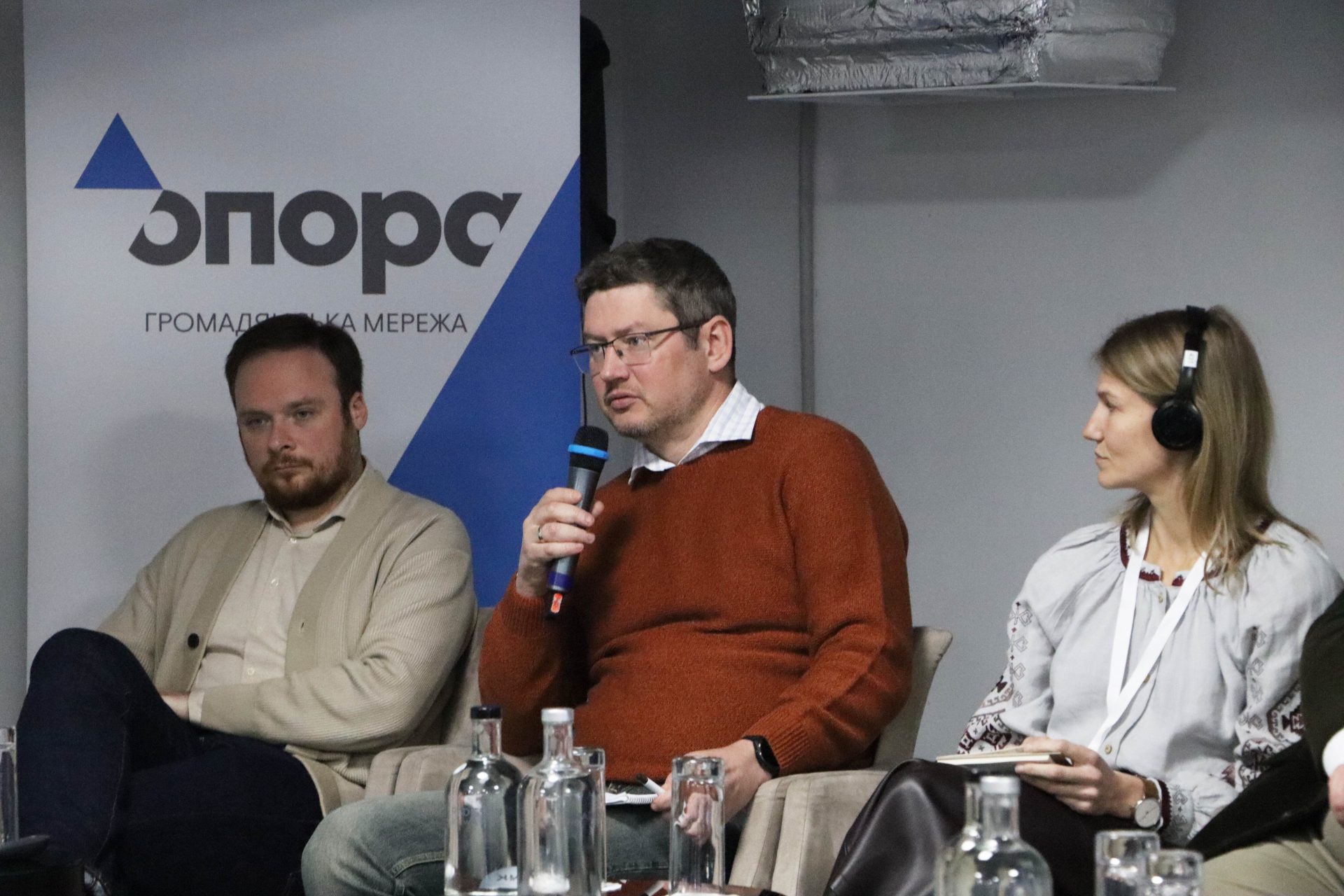
In his view, effectively combating such threats requires a shift from reacting to manipulation that has already spread to taking preemptive action. Specifically, this involves disrupting the internal processes of those organizing information operations, limiting the ability to spread hostile influence, increasing the adversary’s costs for conducting such campaigns, and strengthening societal resilience.
A member of the National Council cited examples of how disrupting the enemy’s infrastructure weakens its ability to conduct information operations. “Proactive measures may include disrupting the internal processes of those who organize FIMI campaigns (for example, the Defense Forces’ strikes against Yandex) or restricting FIMI’s operational space, since this goes beyond platforms for shared access to information. Wherever there is Russian involvement, they will organize interference campaigns—satellite and traditional broadcasting, radio, and television.”
Monitoring of Ukrainian media currently records isolated cases showing signs of FIMI. At the same time, the National Council systematically tracks information threats, counters hostile broadcasting, and cooperates with Ukrainian and international partners.


In particular, in collaboration with the Center for Countering Disinformation, the regulator monitors Russian and Belarusian television channels and information manipulation on the internet. The collected materials are forwarded to the competent authorities. The National Council also investigated compliance with EU sanctions against Russian television channels and asked its European partners to verify the identified violations.
Oleksandr Burmahin drew attention to the absence in Ukrainian legislation of a specific definition of FIMI and special mechanisms to counter it.
To effectively counter foreign information operations, he said, clearer legislative tools and coordinated actions by state institutions are necessary.
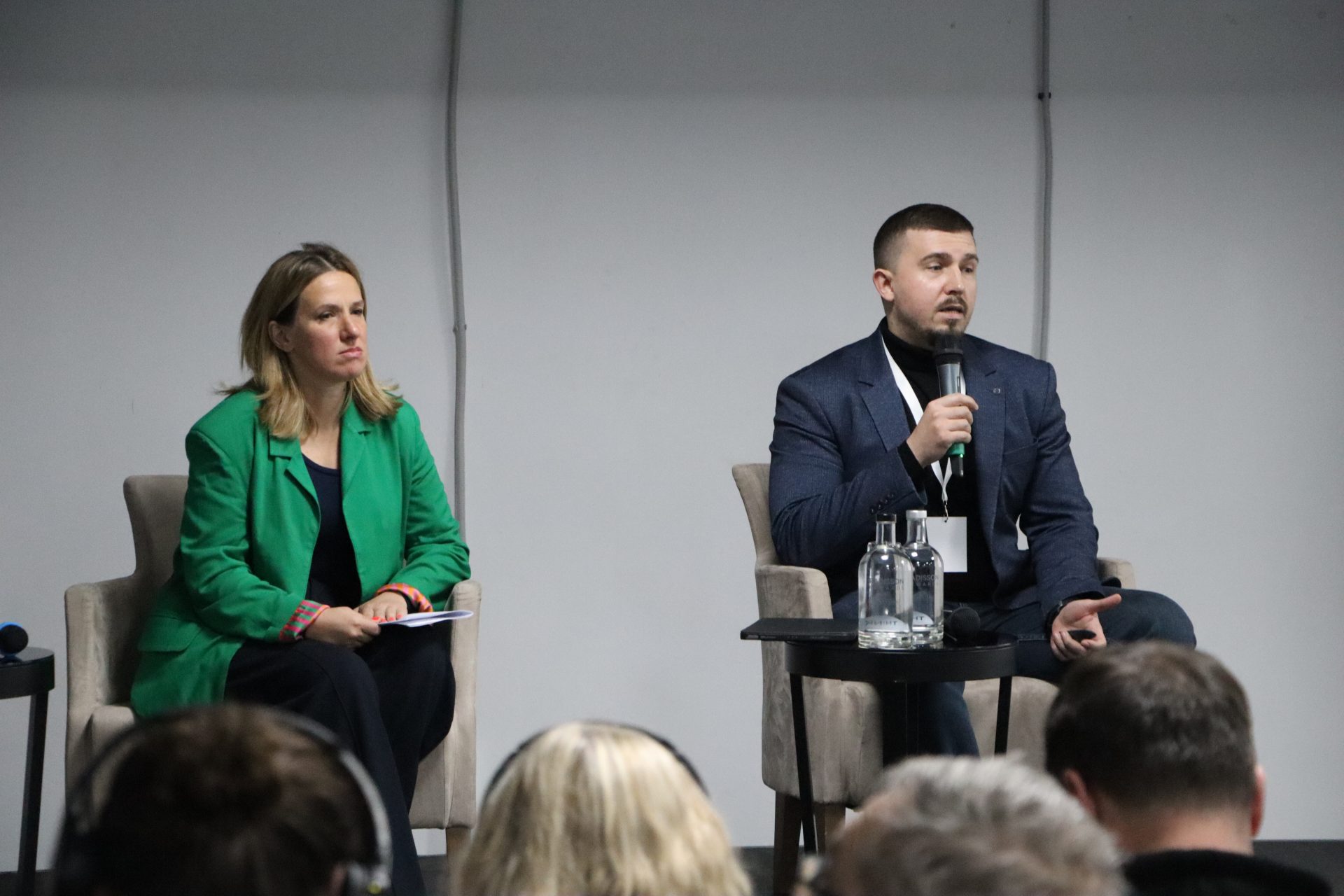
During the forum, the OPORA Civic Network presented a report titled “Foreign Information Manipulation and Interference (FIMI) in Politics and Elections: Signs, Examples, and Conclusions for Ukraine.” The study was presented by Olha Kotsiuruba ta Bohdan Mokhonchuk. The report analyzes international approaches to defining foreign interference, its mechanisms, and the risks it poses to future Ukrainian elections. Among the recommendations are an audit of the powers of state bodies, the elimination of legislative gaps, and the creation of an effective system of interagency cooperation. The report is available on the OPORA website.
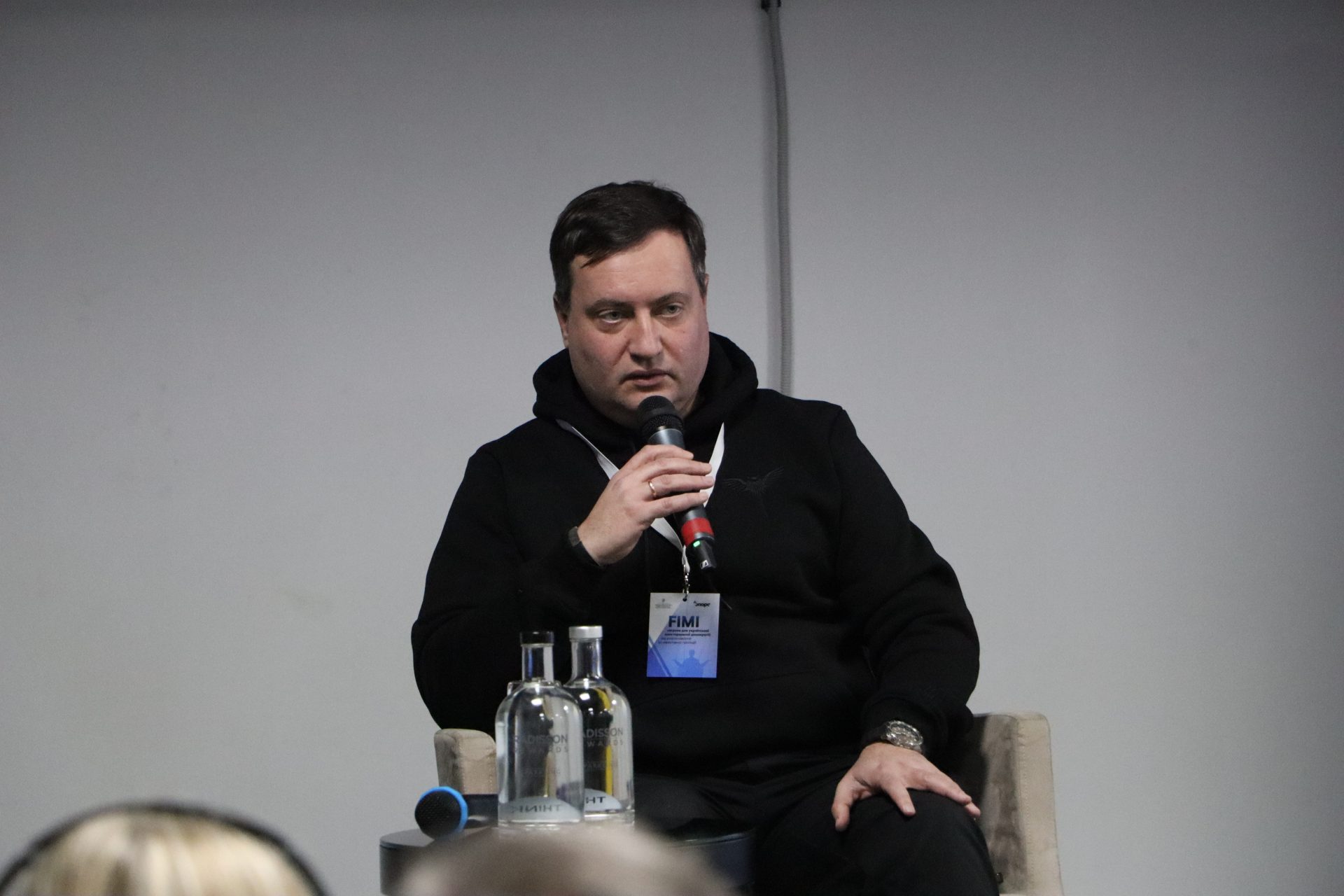
Russian information operations against Ukraine will not cease with the end of active hostilities. On the contrary, their scale may increase, especially during upcoming elections. Andrii Yusov, a representative of the Main Intelligence Directorate of the Ministry of Defense of Ukraine, issued this warning during a public dialogue with Olha Aivazovska, Сhair of the Board of the Civil Network OPORA. According to him, the goal of such interference may be – to support certain political forces, polarize society, discredit state institutions, and undermine trust in the electoral process. Therefore, now it is important to identify and disrupt enemy plans, by involving independent media and civil society in this effort.
The forum concluded with a panel discussion titled “Countering FIMI: First Steps and Legislative Solutions.” Representatives of the Central Election Commission, the Verkhovna Rada of Ukraine, the Security Service of Ukraine, and the expert community discussed the risks of foreign interference in upcoming elections, the regulation of digital platforms, countering information operations by Russian intelligence services, and necessary legislative changes. They also discussed strengthening interagency cooperation and creating mechanisms to protect democratic processes from external influence.

